
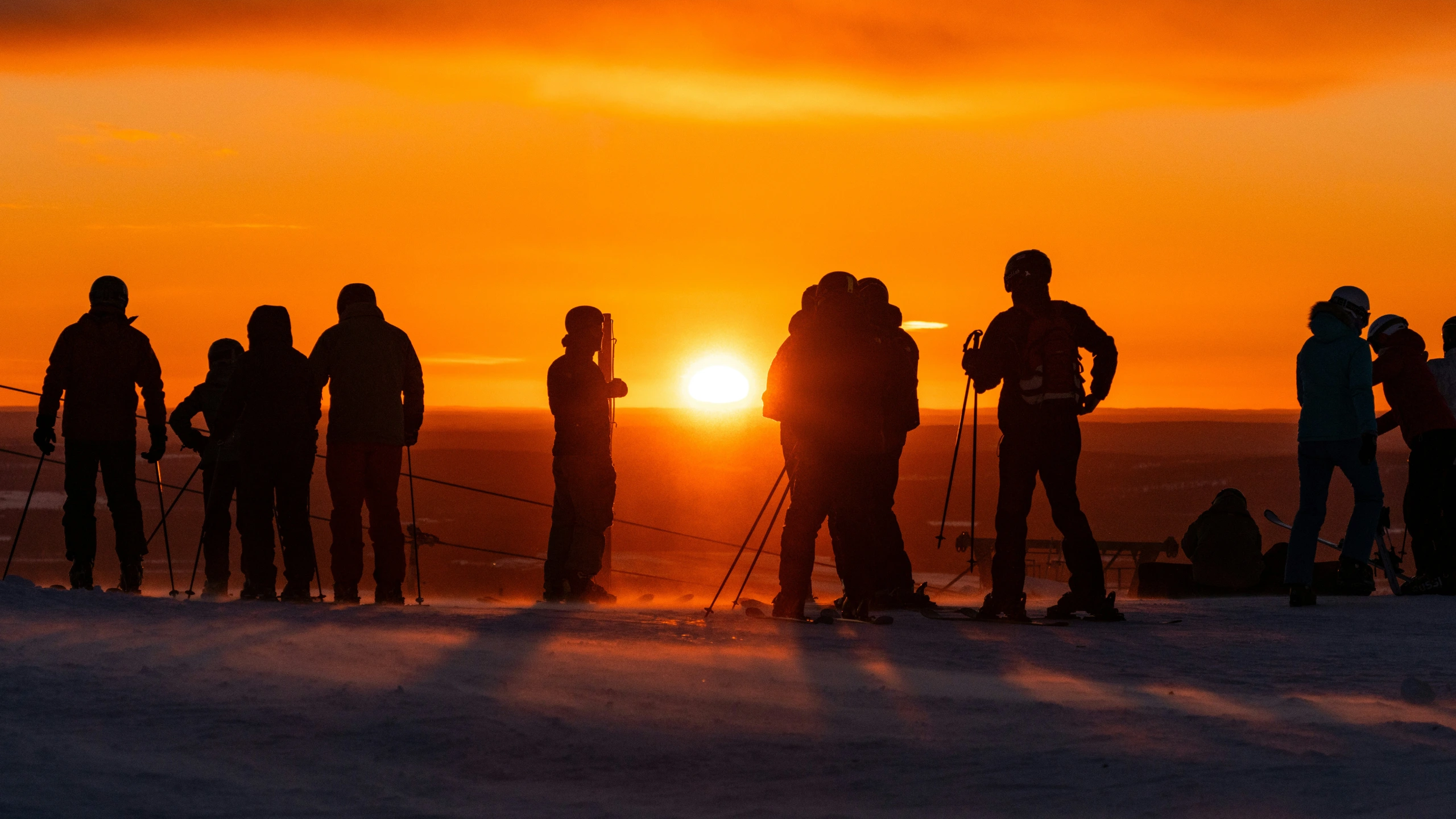
Photo: Himmel S//Unsplash

Americans are due to turn back their clocks one Saturday evening approximately six weeks from now. The week after will be…weird. Our bodies will need the next few days, if not longer for some, to adjust to everything from losing that one simple hour of sleep to earlier sunsets and a whole new circadian rhythm. According to the Associated Press, only 12 percent of Americans are in favor of this daylight saving practice that goes back more than 100 years. Most view it as outdated and now useless, which is why then-U.S. Senator Marco Rubio introduced the Sunshine Protection Act in 2018, proposing we “lock the clock” and make Daylight Saving Time the permanent year-round standard.
Well, ski resorts across the country are not on board with the bipartisan bill. Ski Utah, Colorado Ski Country USA, Ski Vermont, the Pacific Northwest Ski Areas Association, and Ski California, as well as resort operators Alterra Mountain Company and PWDR — a total of 115 resorts throughout 10 U.S. — sent a letter to lawmakers this month urging them to vote against the bill.
Hearing that ski resorts entered a debate over daylight saving time might seem unlikely, but the letter outlines that the potential change could be detrimental to resorts and the towns they operate in. Locking the clock could push morning sunrise in Colorado, Utah, and Vermont past 8 a.m. Resorts to the far west would see sunrise later than 9 a.m. during the winter months, and that, they argue, “poses operational, economic and safety risks for our mountain communities.”
The crux of their argument is one any first chair advocate or resort employee understands well: pre-dawn hours are when ski patrollers, lift mechanics, snowmakers, and groomers prep resorts for the day ahead. Avalanche mitigation work and lift inspection are two of the most important tasks in that period, and the coalition of resorts argue that simply pushing everything back in their day isn’t a viable solution.
“A morning hour and a late afternoon hour are not operationally or economically interchangeable,” their letter says. The letter considers things like 10 a.m. to 5 p.m. operating hours, swapping some of the maintenance work to the afternoon, and capitalizing on working in the hours that skiers leave to beat mountain traffic, the Colorado Sun reports.
According to the Colorado Sun, this doomsday belief isn’t shared by everybody in the industry.
“We actually adjust the opening and closing times as the days grow longer and we have done this as long as I can remember,” Emil Sante, a 30-year patroller at Telluride, told The Sun.
“Besides the fact that we do not believe the senators who are making the decision would care for our opinions,” Crested Butte Professional Ski Patrol Association president Reid Pritchett told them. “These decisions will have effects across the greater economy, and we have larger economic concerns at the moment than the time change.”

