
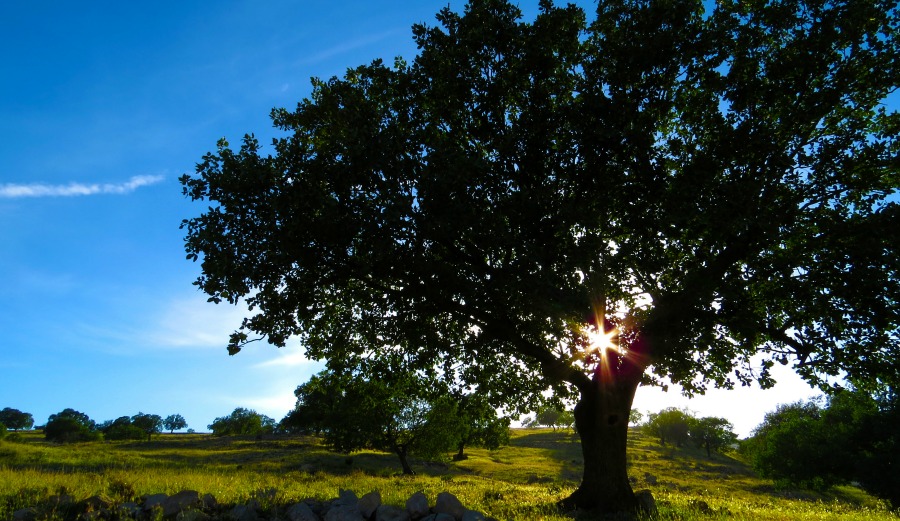
Photo: Unsplash/ Reza Shayestehpour.

Each year, trees prevent about $7 billion in healthcare costs each year. Yes, that’s billion with a “b.” While we typically focus on the CO2 mitigating properties of trees within the environmental realm, trees have a massive impact on human health as well. Scientists are just beginning to fully appreciate the health effects trees have on people, and each year we’re learning more about the various roles they play.
One critical role that trees play, is that they extract particulate matter and gases from the air. Pores in the leaves absorb these elements, and they are effectively removed from the atmosphere we breathe. Recent studies have observed the importance of this function of trees within the United States. One study found that trees prevented 850 human deaths and 670,000 cases of acute respiratory symptoms in the United States in 2010 alone. Researchers determined these numbers based on the fact trees removed 17 tonnes of pollution from the atmosphere. The study also found that not all trees are created equal in their health benefits. Trees growing in densely populated areas like cities help mitigate the most air pollution (as there is air pollution to deal with), and this mitigated pollution benefits the most people (there’s plenty around).
The health benefits of trees can be seen even more clearly in their absence. In the mid 2000’s the emerald ash borer beetle began to attack trees trees thousands at a time in the Midwest United States. The beetle was responsible for the death of tens of millions of trees across 25 states. Without these trees, cardiovascular and respiratory disease mortality rates soared.
Aside from the living function of trees, their presence offers incredible stress relief benefits. A well known study performed by Roger Ulrich in the 1980’s tested recovery surgery patients during their hospital stay. Each patient’s room was manipulated such that some could look out the window and focus on nature: trees, the sun, the sky. Other rooms faced only a brick wall. Those who could view nature asked for fewer pain medications, recovered faster, and had fewer surgical complications.
A more recent study observed women soon after they were diagnosed with breast cancer. Those who spent at least 2 hours per week in a natural environment were better able to focus than those who did not. Researchers concluded this was because of nature’s ability to reduce stress levels.
Moral of the story: love trees. Live as close as you can to trees. Embrace their role in the world. There’s a reason humans have long been connected to our leafy friends: we need them to survive.

