
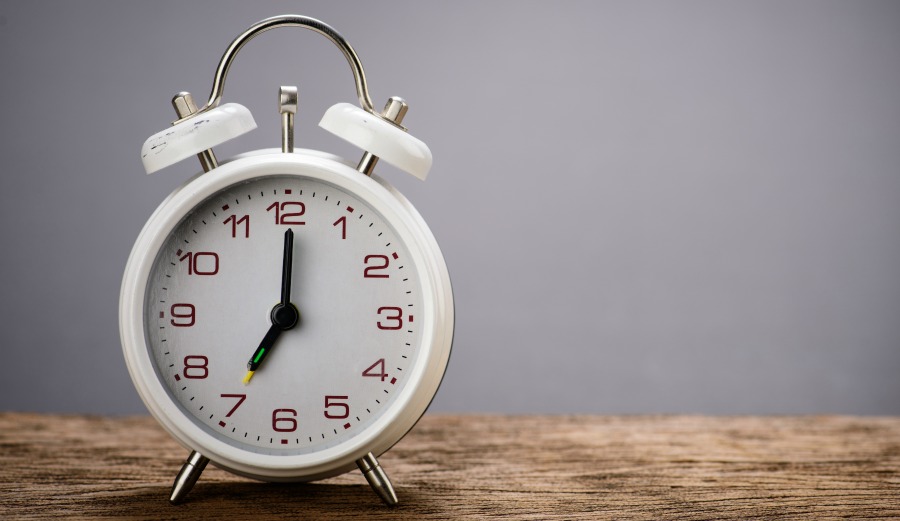
Photo: Shutterstock.

It’s that time of the year again. Daylight saving has been sprung upon us. This morning, that meant you either lost an hour of sleep or woke up an hour later. Either way, it was a rough morning.
Why do we even have DLS? The concept of daylight saving time was first developed by Benjamin Franklin, but it wasn’t instituted in the US until World War I. Back then it was utilized to limit the fuel required for electrical power. This fuel was needed for wartime production. Having the sun set later in the evening reduced the number of hours people needed electricity for light. Since then, the practice has been used off-and-on inconsistently.
The practice still helps save energy and fuel today. Unfortunately, its gains in efficiency don’t always carry over into human health. This lost hour each spring disrupts our circadian rhythm, which controls our sleep cycle. Some experts estimate that people lose approximately 40 minutes of sleep on the Monday following the daylight savings transition. While this might seem insignificant, it can actually have noticeable effects. Few people get sufficient sleep as is, so an extra 40 minute deficit can make a big difference. Certain studies have shown that this loss of sleep has been linked to an increase in the number of workplace injuries, auto accidents, and it can even hinder moral decision making.
However, daylight saving time has also been linked to more serious health issues. A recent study found that the rate of stroke occurrence increases about 8% in the two days following daylight savings. The study also concluded that the rate of stroke in cancer patients can increase by as much as 25% and in people over the age of 65 by 20% during these two days. The study found that the incidents of stroke was highest in the morning hours. A 2012 study also found that the Monday and Tuesday after the daylight savings time transition see about 10% more incidents of heart attack.
What’s the best way to combat the effects of daylight saving time? Sleep in on Sunday morning and take a nap Sunday afternoon. This will help you catch up on extra sleep, so you’ll be better rested for tomorrow morning. Also, try eating dinner a bit earlier tonight, and leave plenty of time in between eating and heading to bed. This can help calm your body down, so you’re ready to sleep at your normal time (which will feel an hour earlier). Another great way to pass out at your normal bedtime? Jump in the water for a surf or head outside today. A little exercise and sunshine can help relieve you of extra energy.

