
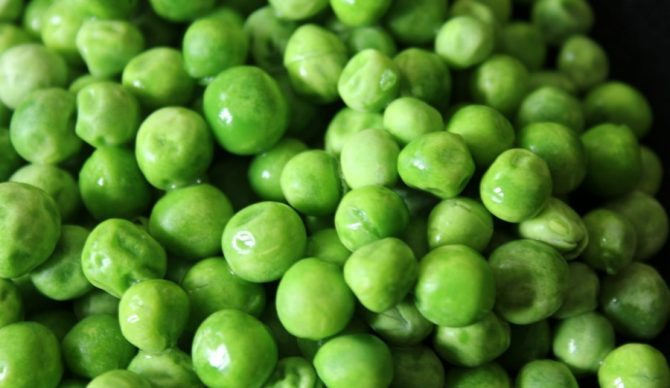
Peas are a superfood? They are now. Photo: Paul Wilkinson

The lowly pea — a vegetable you might know from boring side dishes like…peas — has just transformed into the newest protein-packed superfood. Pea protein, made by drying peas, extracting the protein and leaving out the carbs, is the starring ingredient in a rapidly growing list of veggie burgers, protein powders, energy bars, potato chips, milks and more. And apart from a little flatulence there isn’t much of a downside (shouldn’t be a change for the burrito-chomping, whey protein-swilling crowd). Peas are in many ways superior to soy, almonds, hemp and wheat, and a hell of a lot more sustainable than dairy protein.
Why Eat It?
Pea protein is an obvious replacement for whey (made from water-hogging, resource depleting, global warming-causing dairy) and soy, an oft genetically modified food with possibly damaging side effects.
Some flatulence aside, most people have an easy time digesting the minimally processed powder, which contains more protein than hemp, wheat or rice and twice the calcium of cow’s milk. Ripple, a new pea milk, claims its silky drink contains eight times the protein of almond milk. Peas also don’t carry the allergy risk of nuts, wheat or dairy.
Apart from legions of protein powders, you can already find it in products like Larabar’s Alt bars, So Delicious Almond Plus Beverage, Beyond Meat veggie burgers, Simply Protein Chips and Ripple.
Will it Kill The Earth?
Ripple, a pea milk, requires a half gallon of water to produce a glass. Forty times as much water is needed to produce the same amount of almond milk, and 120 times as much water is needed to make the same amount of cow’s milk, according to this article. Plus, peas are nitrogen fixing plants, meaning they replenish nitrogen to the soil.

