
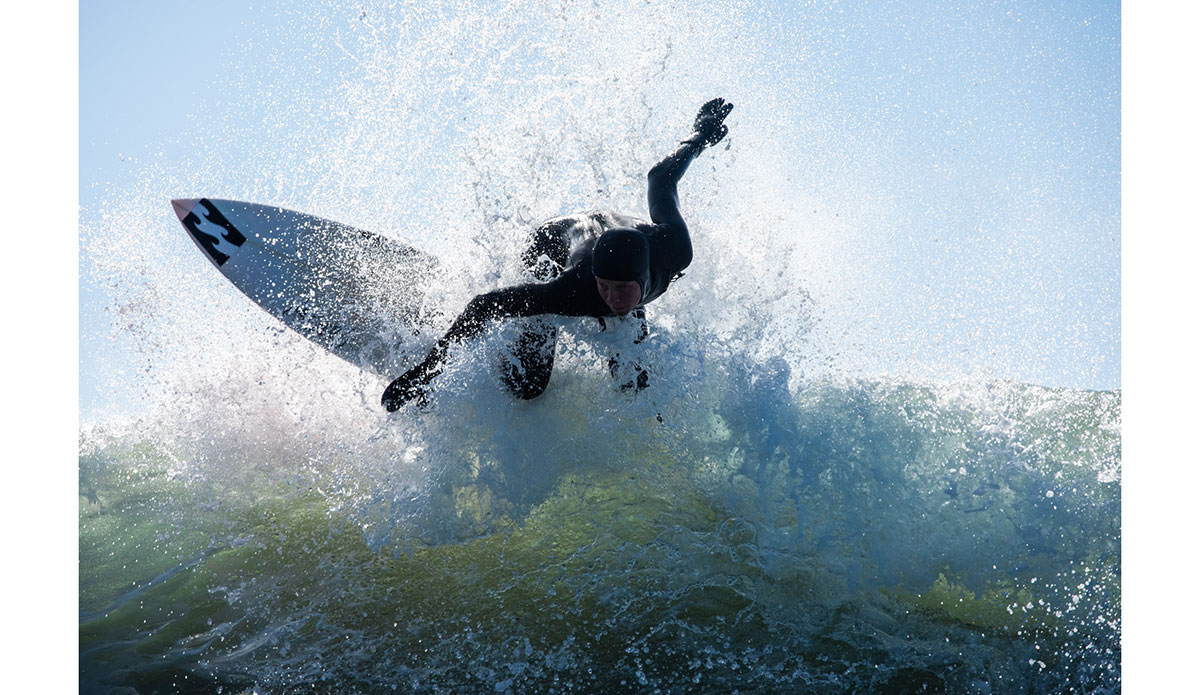
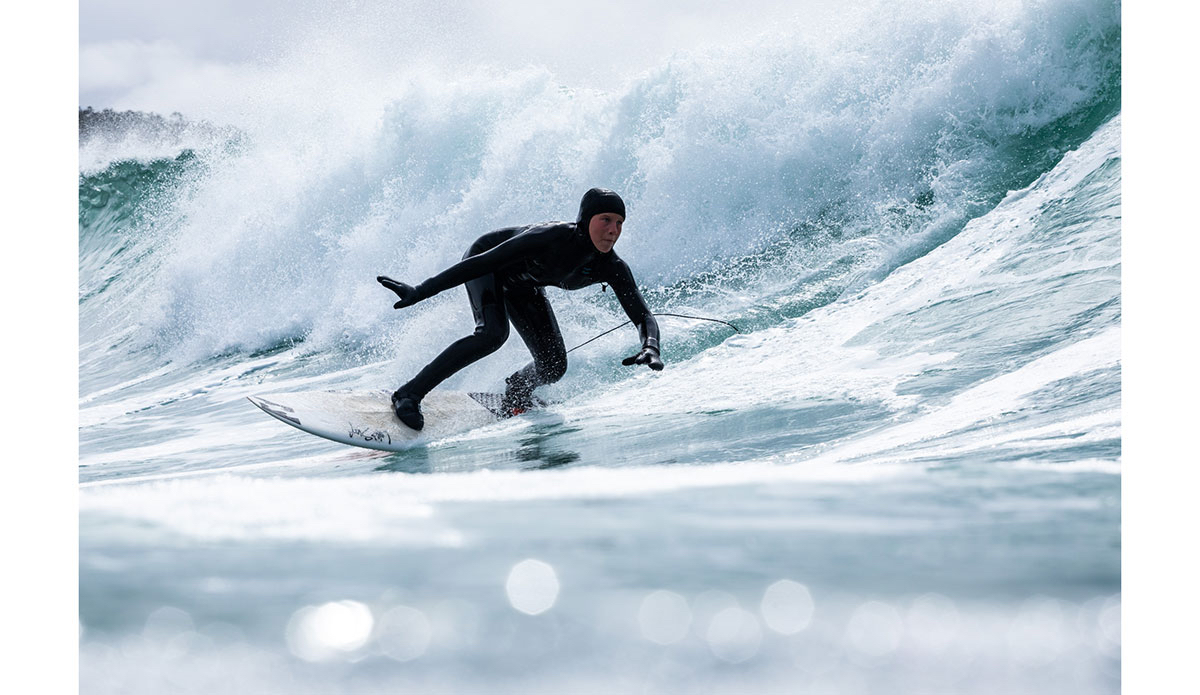
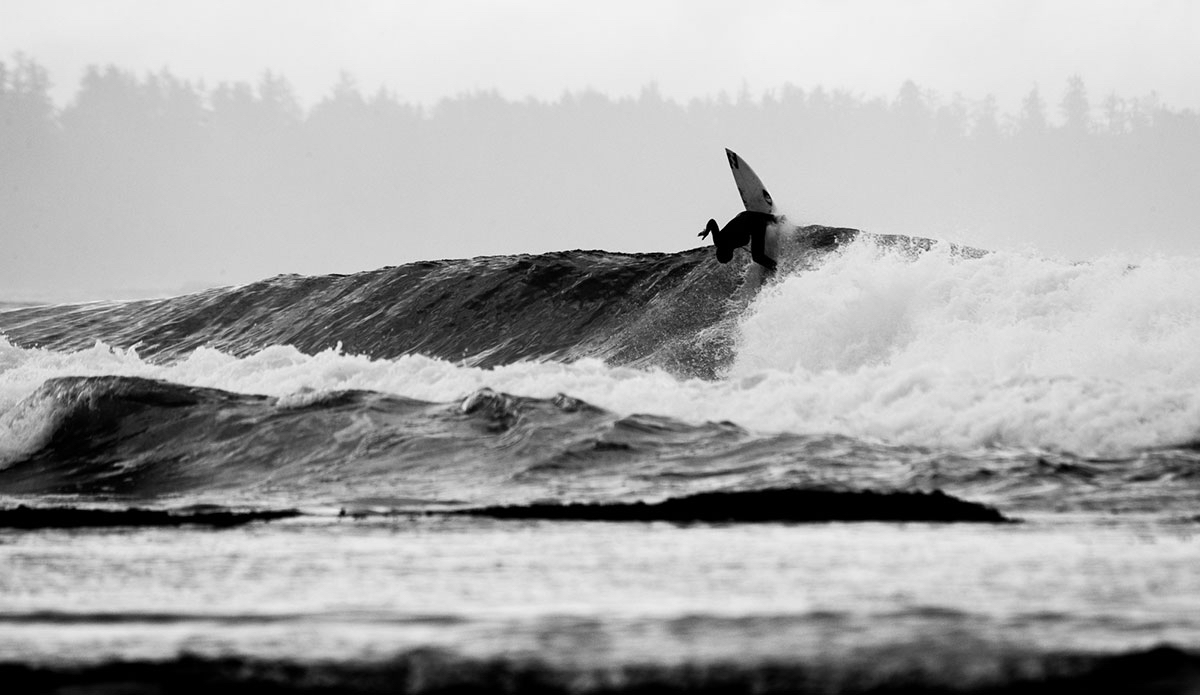
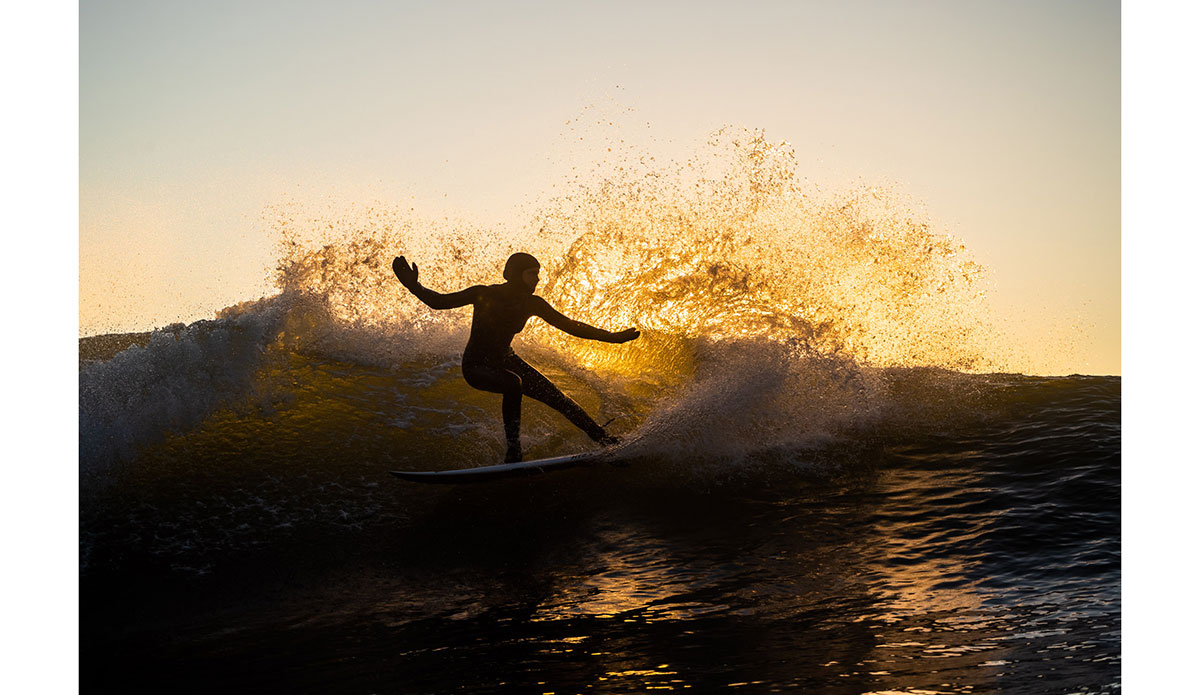
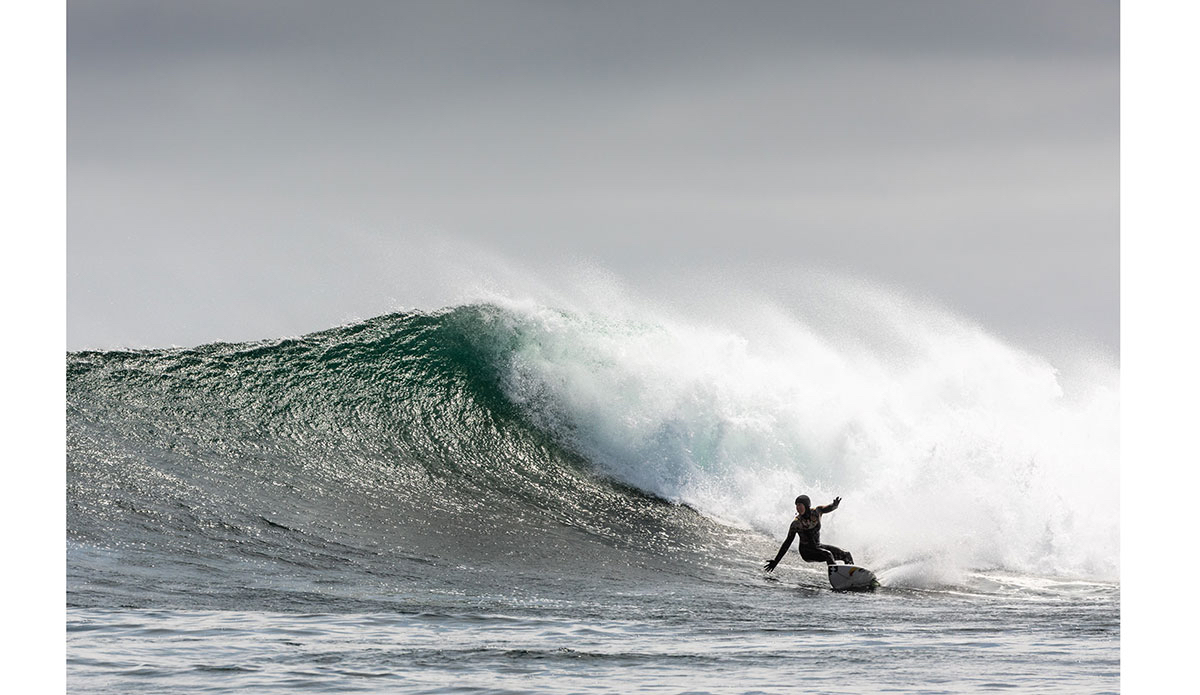
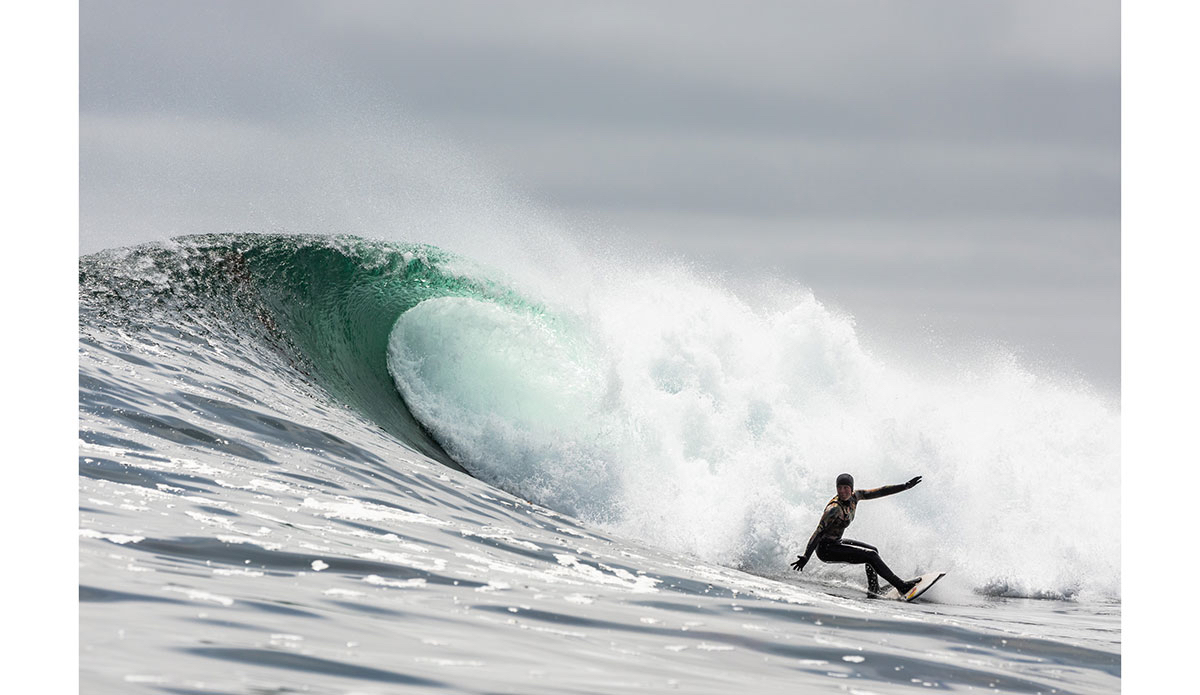
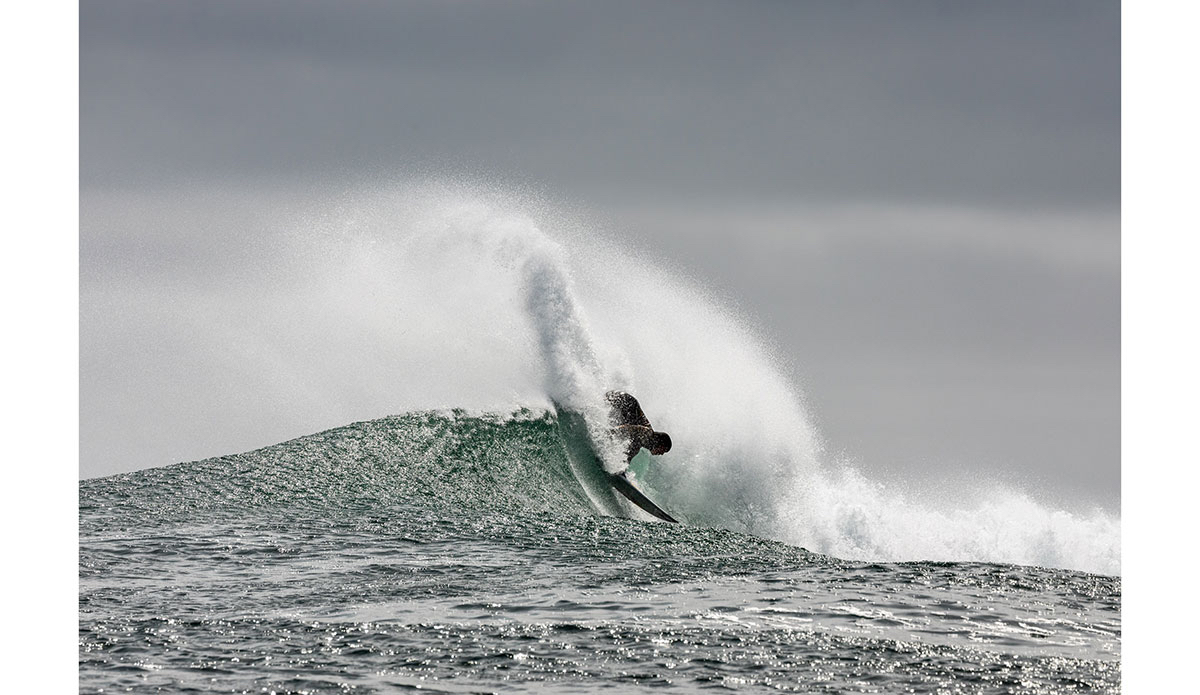
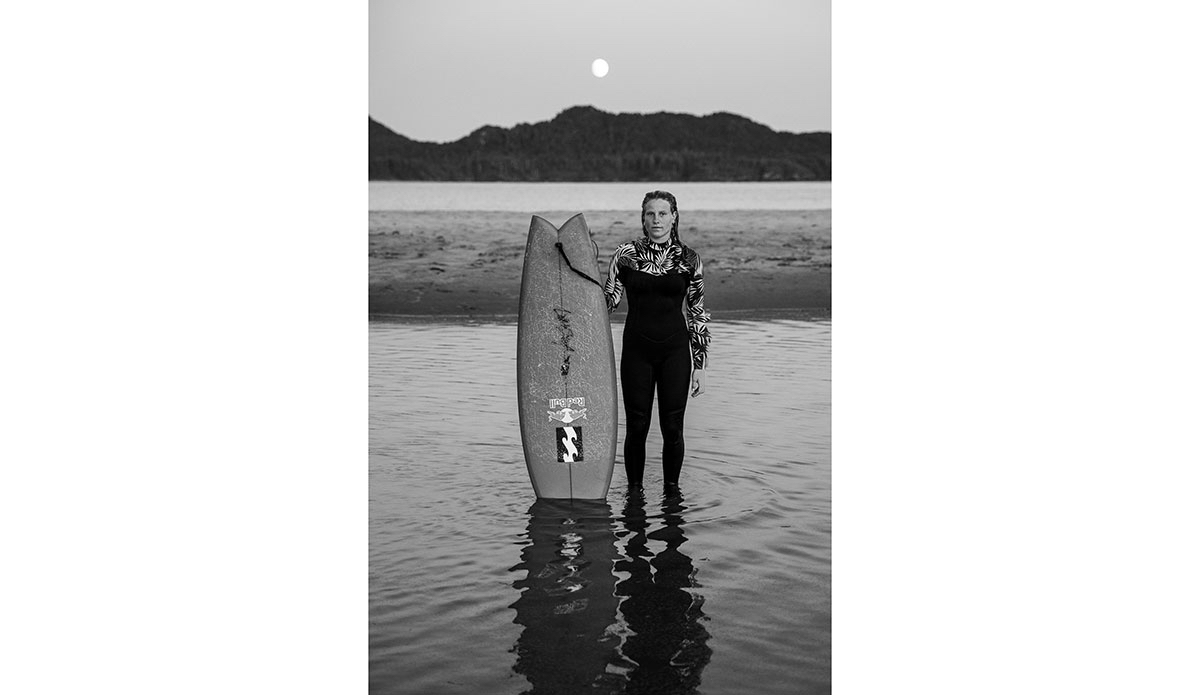
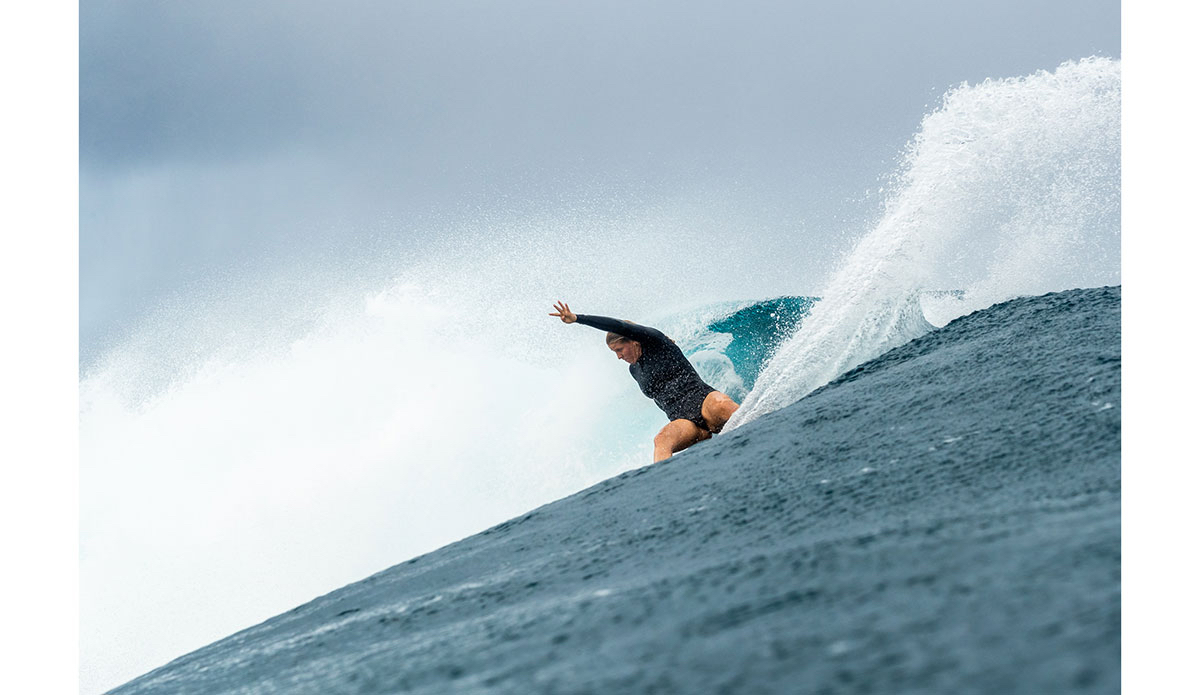

Sanoa Dempfle‑Olin is a rising star in Canadian surfing. Hailing from Tofino, British Columbia, the 20-year-old has already claimed top podium finishes in major regional competitions — winning the Queen of the Peak (2016) and Rip Curl Pro Open (2017) — along with strong runner-up placements in subsequent years. In 2023, she capped off a breakout season with a win on the WSL Qualifying Series and a silver medal in the shortboard event at the Pan Am Games. That result secured her a spot in the 2024 Paris Olympics, where she made history as Canada’s first-ever Olympic surfer. She has also qualified for the WSL Challenger Series, where she’ll compete for a place on the World Tour.
Beyond competition, Sanoa is also making her mark in the freesurfing realm. She appears alongside Pete Devries, Cam Richards, and others in Nate Laverty’s 2025 surf film Creatures of Habit, showcasing her versatility and style in raw, untamed waves.
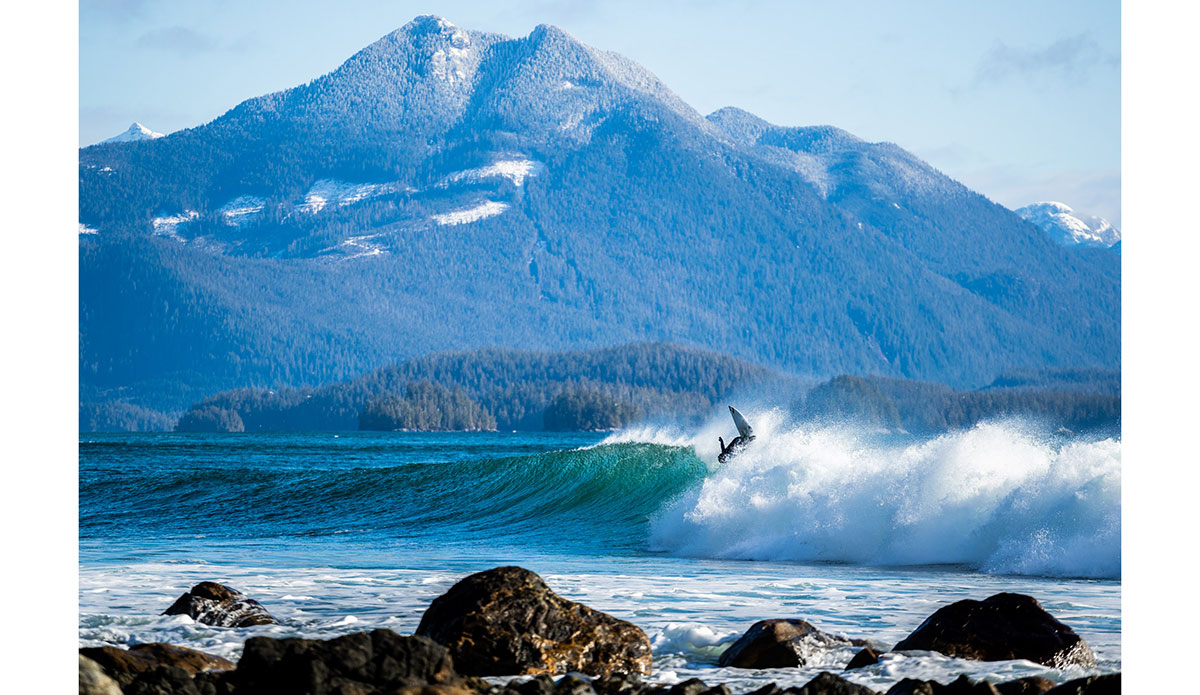
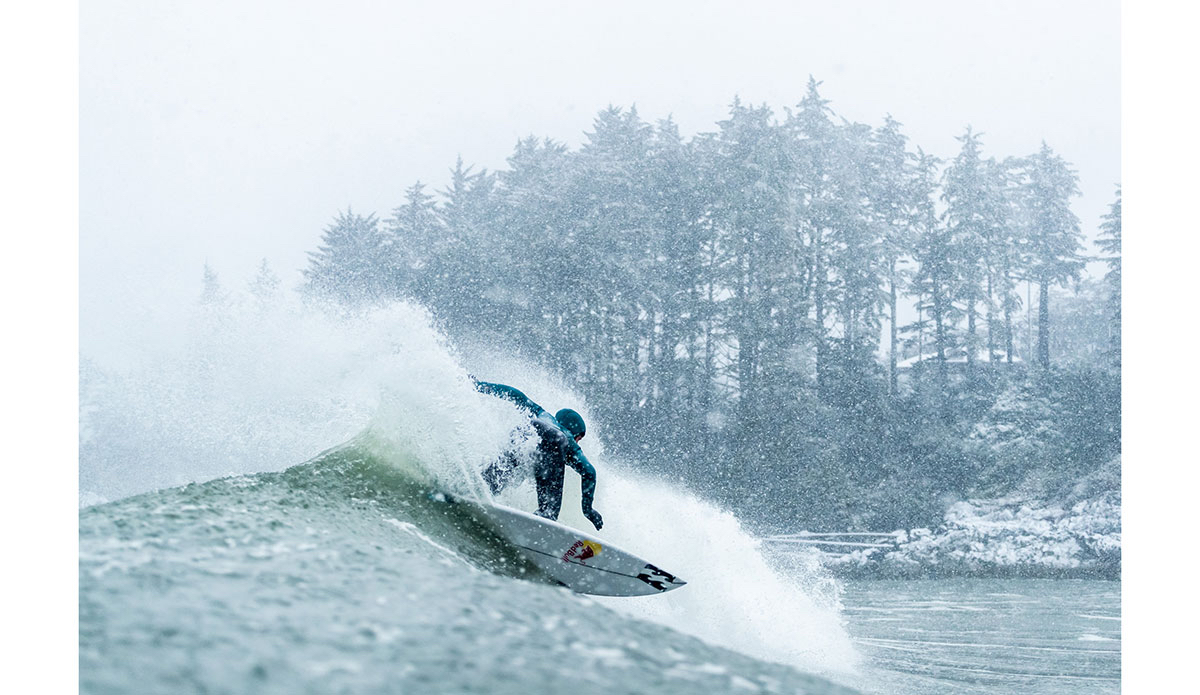
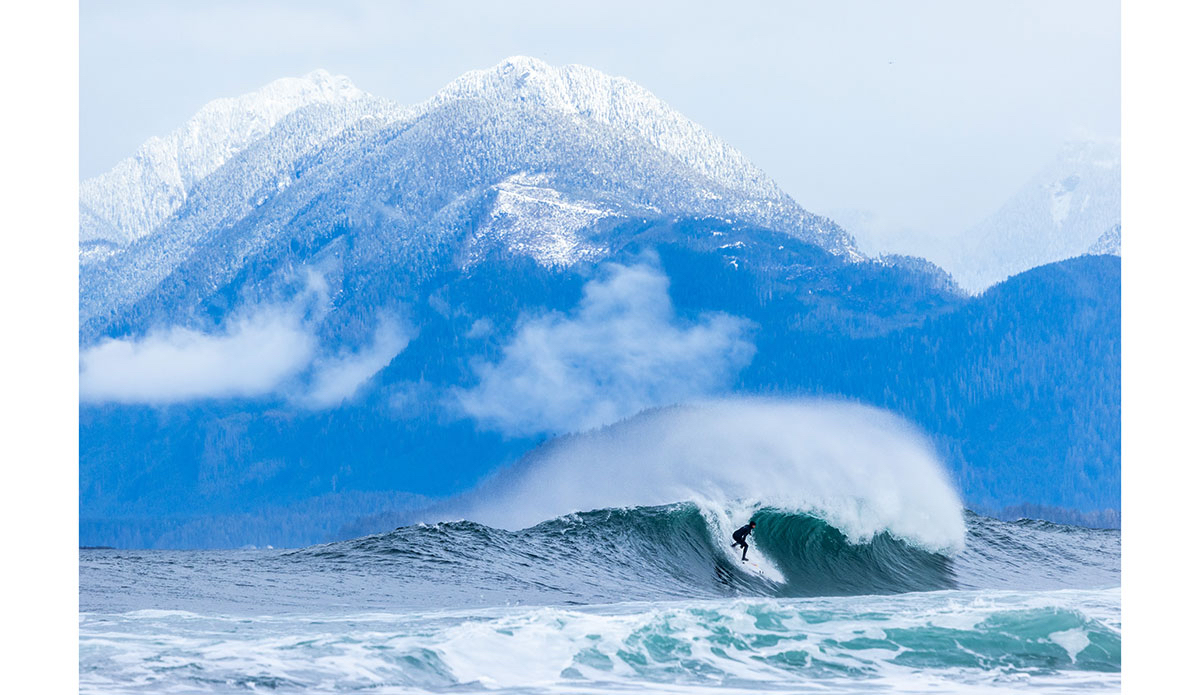
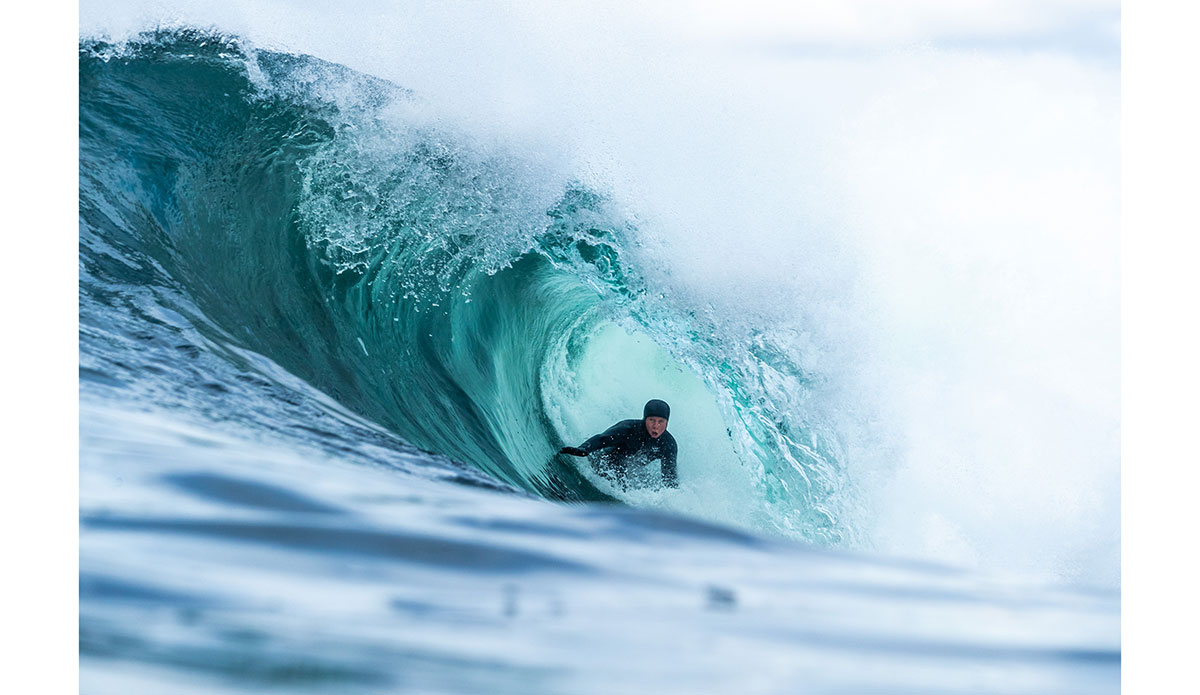
When people find out that Sanoa surfs year-round in Canada, the response is almost always the same: Wait… Canada? Like with icebergs?
“No,” she laughs, “there are no icebergs. But yeah, we surf in boots, gloves, hoods… it’s normal to us.” And for Sanoa, it is. The remote coastline of British Columbia is more than her training ground — it’s home.
Raised among dense forests, frigid waves, and the close-knit ocean-loving community of Tofino, Sanoa’s path to becoming one of Canada’s most recognizable competitive surfers wasn’t carved by media hype or tropical breaks. It was built on consistency, deep connection to nature, and a quiet, enduring love for the sea. “Being out on the boat, even just for a couple of hours, is my happy place,” she says. “I was raised surrounded by the forest and the ocean. Those landscapes are part of who I am.”
Even after years of international contests and Olympic qualification heats, nothing centers her quite like home. She’ll tell you about the smell of cedar, a good fishing day, or the way her mom’s garden feeds both her body and soul. You get the sense that no matter how far she travels, Tofino is always close.
“I love the place I grew up,” she says. “Being in the forest, going out on the boat… just being surrounded by the mountains and that landscape, I never get sick of it. Spending time with my family, doing camping trips, gardening… it all really helps. No matter where I am in the world, that comfort and grounded feeling is always there waiting for me.”
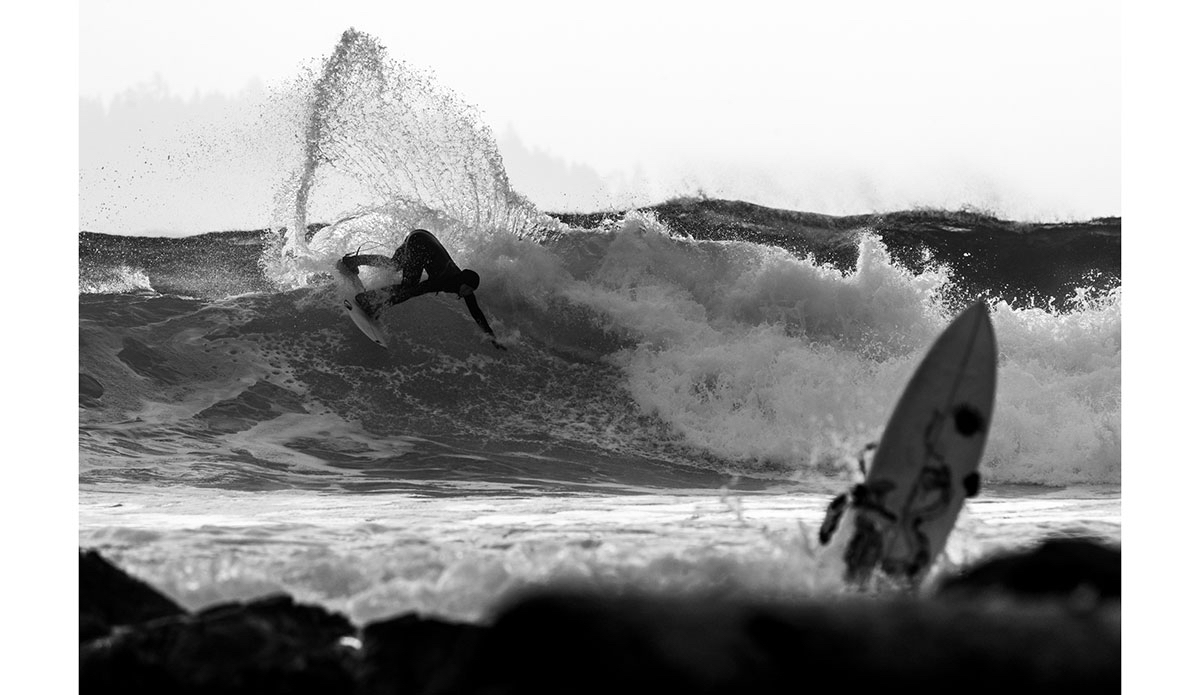
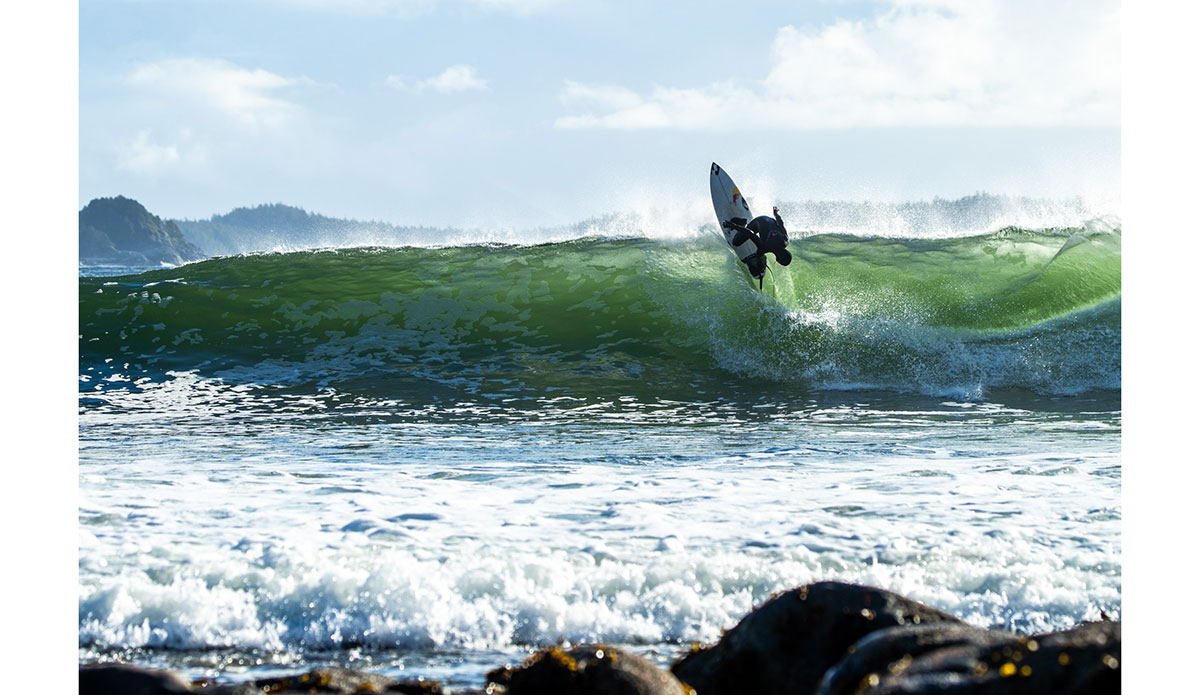
Sanoa’s surfing speaks before she does. It’s powerful, fluid, and deliberate. Her rail work — especially her backhand — has long been a signature, though she’s quick to say she’s worked hard to even things out. “I used to be all backside,” she admits. “But now, I feel like I’ve built strength on both sides. Power turns, rail surfing — that’s where I feel most confident.”
She doesn’t study style in the traditional sense. For her, style is something innate. “I think it’s just in you,” she explains. “You can see it when someone’s riding whitewash as a kid. But yeah, I do try to surf with flow. I try to make everything feel connected.”
Years of training have sharpened her technique, but her deep understanding of movement began long before surf contests. Even then, she knew she wanted to be an athlete, before she even knew surfing would be her sport. “When I was a kid, me and my sister Mathea would just do workouts for fun,” she says with a grin. “Like 100 push-ups, sit-ups, squats. We were just copying what we saw in gymnast movies or sports shows. We thought it was fun. That was our game.”
Mathea’s journey into professional surfing offered both guidance and motivation for Sanoa. “She laid the groundwork,” Sanoa says. “Having her experience made things smoother for me — from contests to knowing what gear to bring. I never felt in her shadow. We pushed each other, and her success felt like my success.”
Tofino’s surf scene is intimate and evolving. When Sanoa was young, the lineup was often empty in the colder months, a far cry from the bustling summer crowds. “Outside summer, it would just be me and my sister out there,” she recalls. “That quietness gave us space to surf at our own pace and build our skills without pressure. But it also meant we had to search for inspiration — mentors like Pete Devries and the Bruhwilers were huge influences.”
Despite her momentum, Sanoa speaks candidly about moments of burnout and exhaustion. The last few years have been a whirlwind full of new experiences with steep learning curves. “There were times I didn’t realize it until after the fact. Traveling so much, especially on your own, can be a lot,” she says.
Her remedy? Coming home. Talking to family. Spending extra days in the woods. “Sometimes you’re just fried. But it always passes. You don’t push through it. You rest. You regroup. Fatigue isn’t permanent, it’s just part of the journey.”
When she’s not in the ocean, you’ll likely find her in the kitchen. “I love to cook,” she says. “It’s something I got from my mom — she’s the best cook I know. Cooking has always been fun for us, never a chore. Our spice drawer is overflowing.”
Dinner at the Olin house might be seared steak, sweet potatoes, and greens straight from the garden. For dessert? “A rhubarb crumble with rhubarb from the greenhouse,” she says. “Or cheesecake. I love cheesecake.” It’s not just the food — it’s the act of making something with your hands, from the land and sea around you. “That’s why I love fishing or gardening. It all connects. It’s more fun to cook with something you grew or caught.”
Sanoa is both a fierce competitor and a devoted freesurfer, but it’s not one or the other for her. Growing up in Tofino taught her that the two can co-exist. “We’d go on camping trips and just film with friends. No pressure, maybe you get waves, maybe you don’t. That kind of surfing fills your tank again.”
At the same time, however, she thrives in jerseys after the contest horn sounds. She appreciates everything that leads up to it, as well. “I love working on technique,” she says. “I love analyzing my surfing. I actually really enjoy the training — the dry-land stuff too. I don’t need a contest to make me do it. I just love the process.”
Like any good professional surfer, she has goals. Women’s surfing has improved by leaps and bounds over the last few decades, and Sanoa wants to continue improving herself along with it. “I want to get better at everything,” she says. “Barrels on my backhand, airs, pushing every part of my surfing. The women’s level right now — it’s so inspiring. The bar’s higher than ever, and I want to be part of that. The tour is definitely a goal. I’d love to be there, but I’m not putting pressure on it. I just want to see how far I can go.”
For all her focus and drive, Sanoa remains grounded in something deeper than results. When asked if she thinks about being a role model for younger Canadian girls, she pauses. “I still feel like I’m a little kid sometimes,” she says with a laugh. “It’s funny to think someone might look up to me. But yeah, if I can inspire any girl to get in the ocean, move her body, or just feel joy in nature… that would mean a lot.”
And she’s already doing it. Not just by surfing well, but by living well. She’s tied to her values, tied to her land, and she is choosing to show up with grace and strength, day after day. “It’s kind of surreal,” she says, “because it doesn’t ever feel like it happens. One day, you just realize that you’re on the other side of it. You were the kid looking up. Now there’s someone looking up at you.”
Ask her what people don’t know about her, and she shrugs. “I don’t really hide much,” she says. “What you see is pretty much it. Surfing. Family. Nature. Cooking.” But maybe that’s exactly the thing. In a world that often celebrates spectacle, Sanoa Olin is building something stronger: a life rooted in simplicity. A life rooted in effort and in joy. She’s not chasing noise. She’s building a legacy quietly — in the garden, in the lineup, on a boat, in the kitchen, and on her surfboard.

