
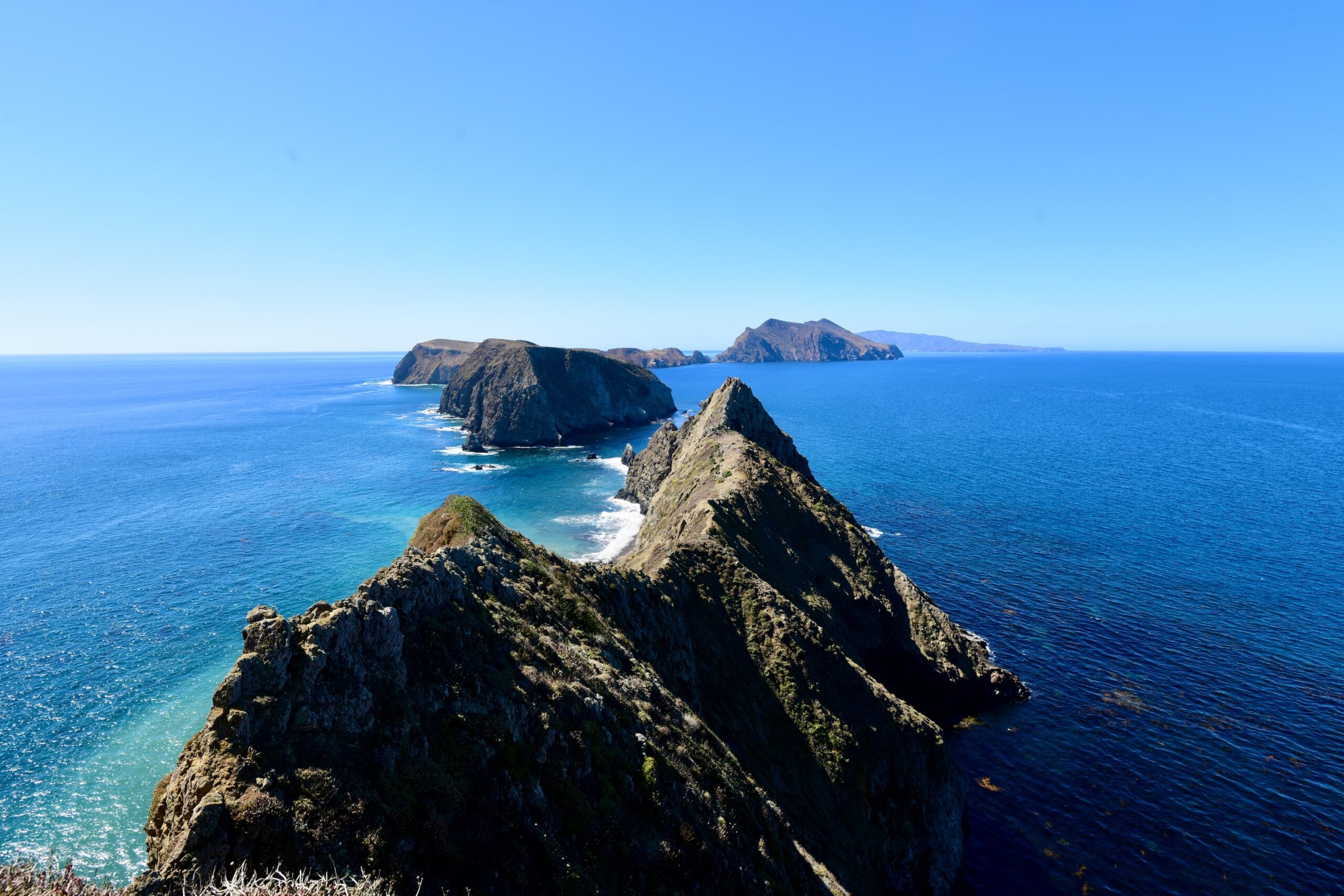
Rugged ridges line the protected waters off Santa Cruz Island in Channel Islands National Park. Photo: Shutterstock

Editor’s Note: This feature is presented by our partners at Costa.
While travelers focus on national parks, big crowds can easily frustrate ready adventurers. Fortunately, there’s a wide-open alternative beyond terra firma. Consider the Marine Protected Area (MPA). While the U.S. boasts 85 million acres of national park land, it has more than 750 million acres within those MPAs. Essentially the aquatic version of a national park, these oft-overlooked conservation zones encompass vast tracts of pristine ocean and coastline. And even though there are nearly 1,000 MPAs in the U.S., many Americans don’t know about them.
Fortunately, that’s starting to change—and not just among potential visitors in the general public. Nonprofits and outdoor brands alike have stepped up to try to protect these places. One example: Costa Del Mar, which has partnered with World Ocean Day to boost awareness of MPAs and to clean up the waters they contain.
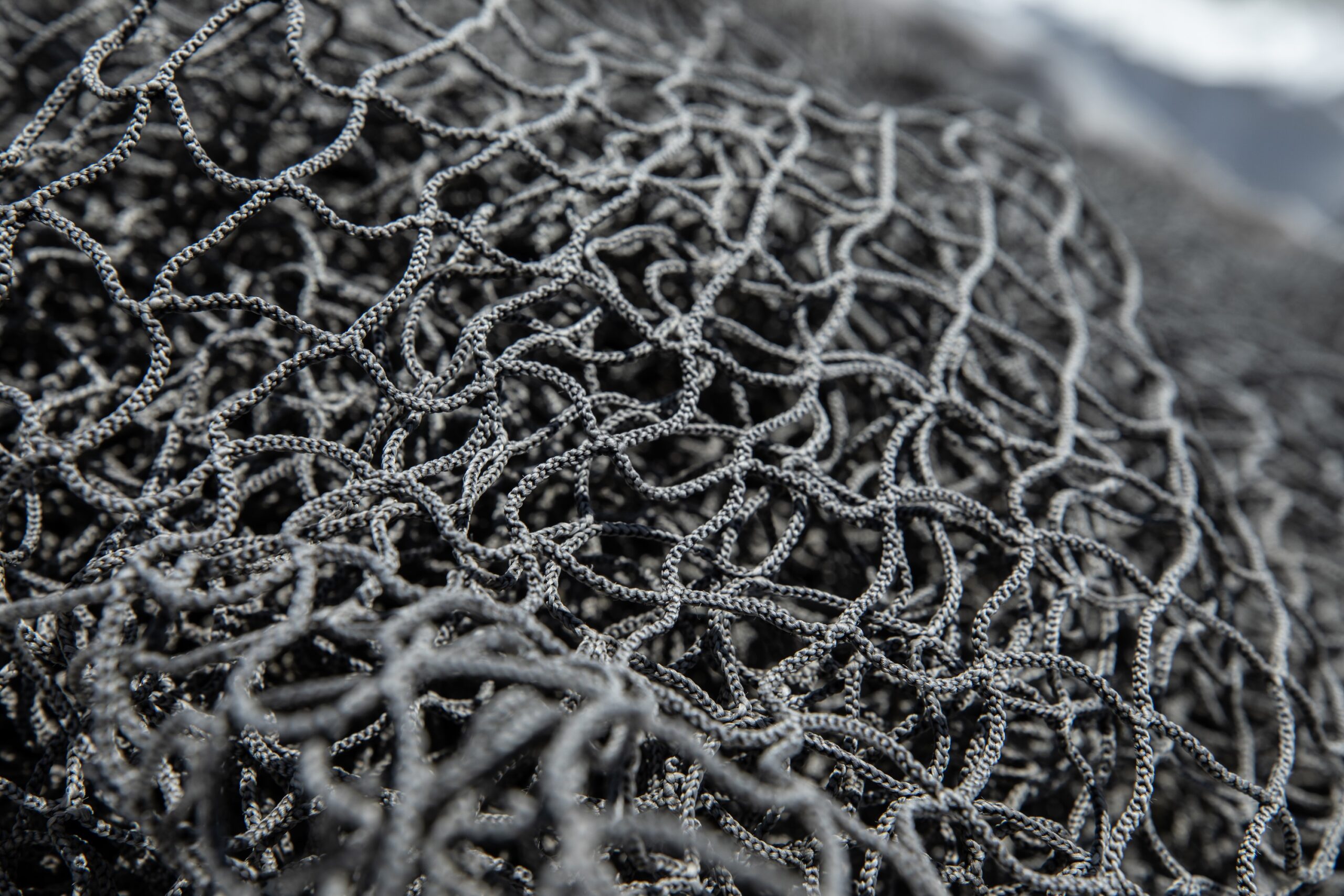
To that end, Costa has swapped pollution-prone plastic for a unique, carbon-positive NetPlus material in many of its sunglasses. NetPlus is a recycled polymer crafted from old fishing nets, many of which are recovered from coastal communities in Chile, Argentina, and Baja California. To date, the NetPlus program has kept almost four metric tons of plastic netting out of our oceans — making Costa sunglasses a fitting tool for a conservation-minded marine adventure.
Ready to do your part? Go see the incredible marine zones we’re fighting for. Experience wild ocean life, get inspired, and bring that spark home. Here are a few of the most stunning sections of open ocean and coastline that North America has to offer—plus the best adventure in every one.
Florida Keys National Marine Sanctuary, Florida
Home to the only coral reef in the Lower 48, the Florida Keys are a global epicenter for immersed activity. Snorkel with sea turtles, dive with eagle rays, and sea kayak or SUP beside playful dolphins in Florida’s own tropical paradise.
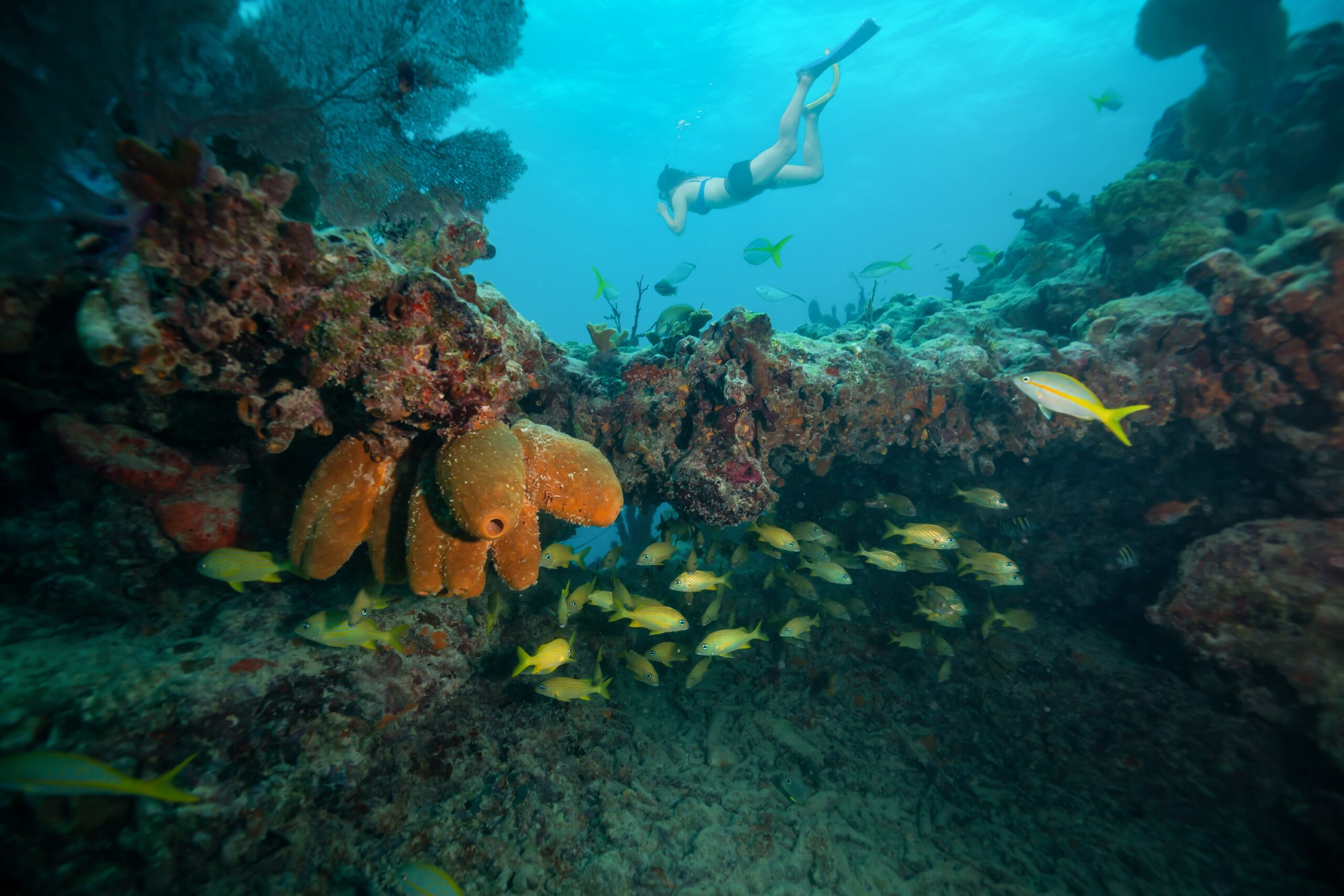
Snorkeling the coral reef near Key West. Photo: Shutterstock
Best trip: Rent gear or book a snorkeling tour at Key Largo – Florida’s own version of the Great Barrier Reef. While there are a handful of reefs to choose from, John Pennekamp Coral Reef State Park offers some of the easiest access.
Pro tip: John Pennekamp Coral Reef State Park also has on-site camping. Pitch a tent or RV (reserve in advance) to dodge the high prices on traditional Key Largo lodging.
Thunder Bay National Marine Sanctuary, Michigan
Explore nearly 100 shipwrecks in Lake Huron’s vast underwater preserve. Each wreck offers a snapshot of history — from early 1800s explorers to modern-day mishaps — but this isn’t just a place of the past. Now, the ruins provide critical habitat for fish, molluscs, and other marine life, making them the key to a healthy ecological future.
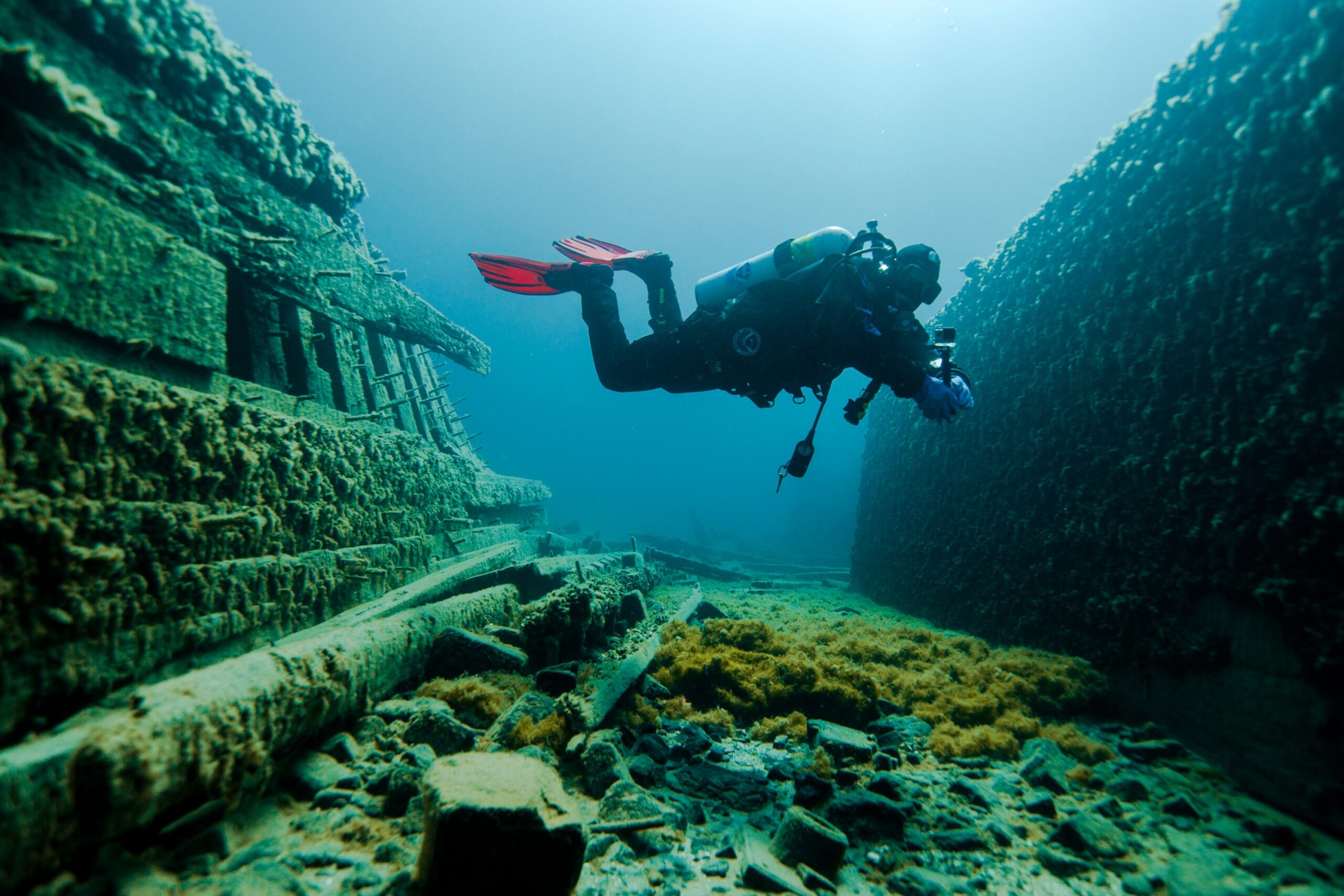
Divers at Thunder Bay National Marine Sanctuary only need to descend 60 feet to see storied wreckage. Photo: Shuterstock)
Best trip: Shipwreck Alley hosts a range of dives for varying skill levels. The Nordmeer, for example, is submerged in relatively shallow water. The New Orleans II, however, lies 150 feet deep, making it a better choice for expert divers. Go June through September for the best conditions and plan to bring a drysuit; Lake Huron is famously cold.
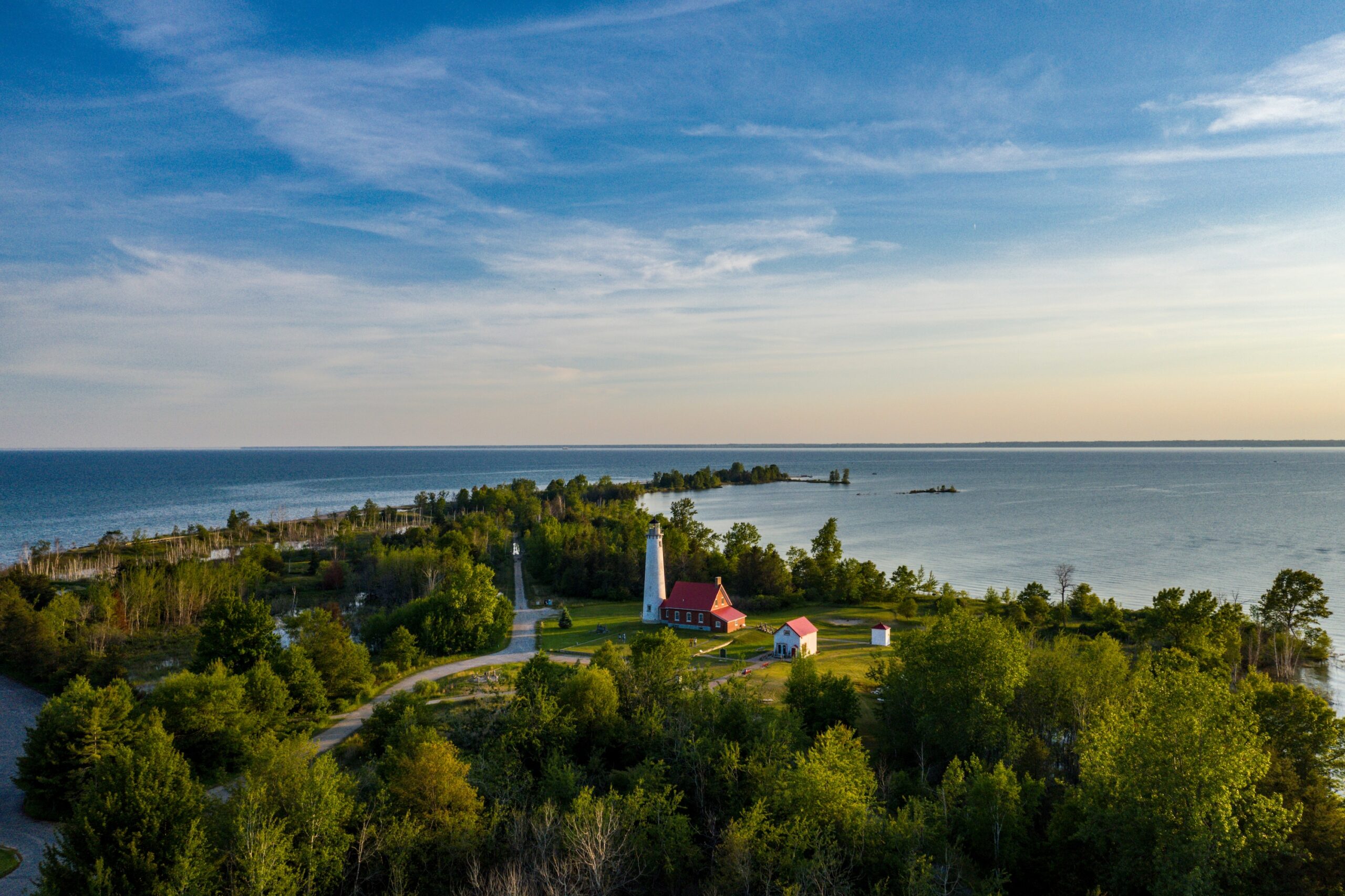
Tawas Point lighthouse at sunset. Photo: Shutterstock
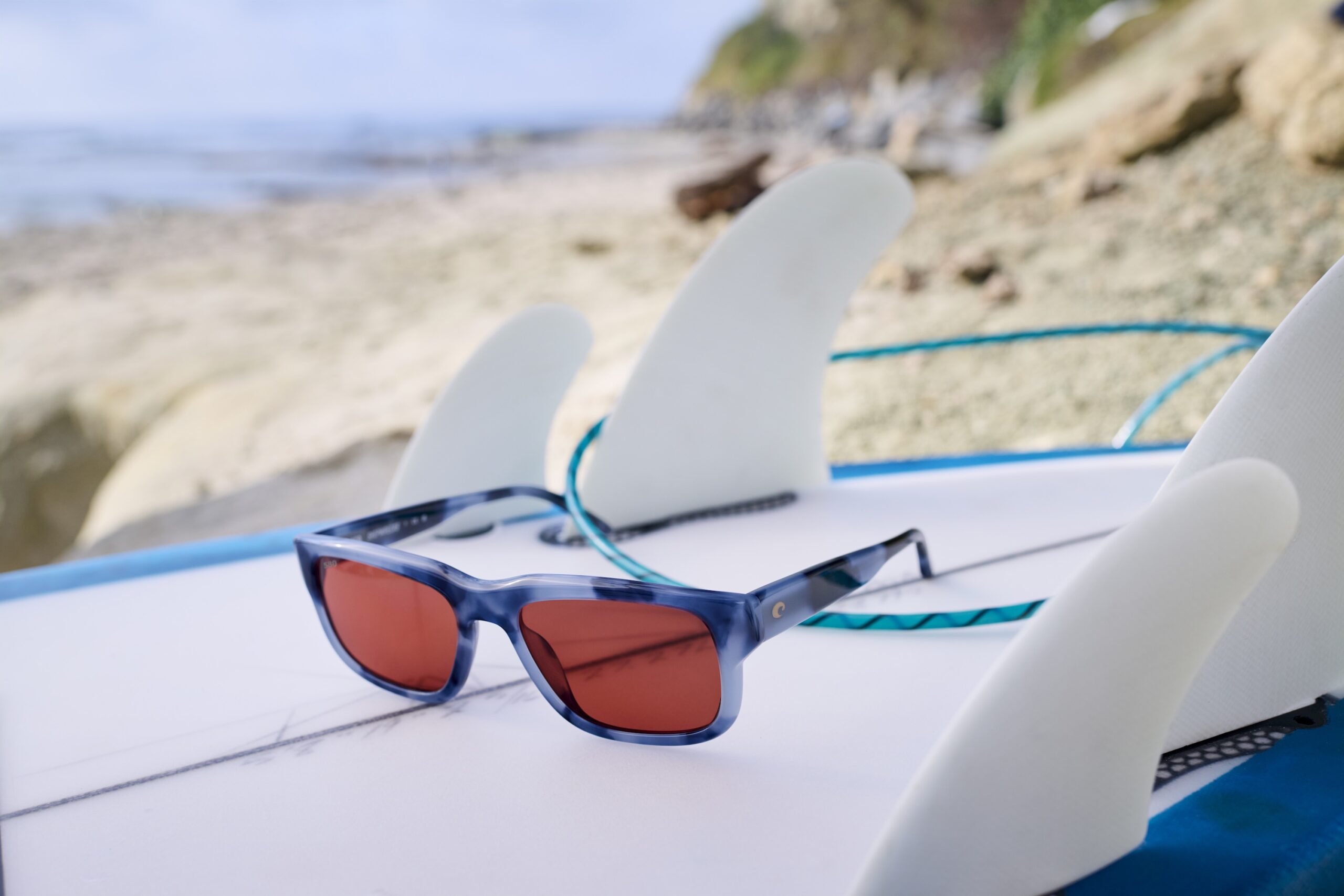
Pro tip: Diving not your thing? Scan for seabirds at the historic Tawas Point Lighthouse, pictured above (boost your clarity with Costa’s fitting, modern-framed Shipwrecks model, below), then stargaze on the beach at Negwegon State Park, or pitch a tent between towering cedars at Harrisville’s coastal campground.
The Gulf of California, Mexico
Located at the intersection between temperate and tropical waters, this sprawling collection of islands, reefs, and protected coastal and marine areas pushes biodiversity to new levels. Its coves and coasts are home to thousands of species — more than 100 of which are found nowhere else on Earth — making it a magnet for divers, snorkelers, and sea kayakers. (It’s also a UNESCO World Heritage Site.)
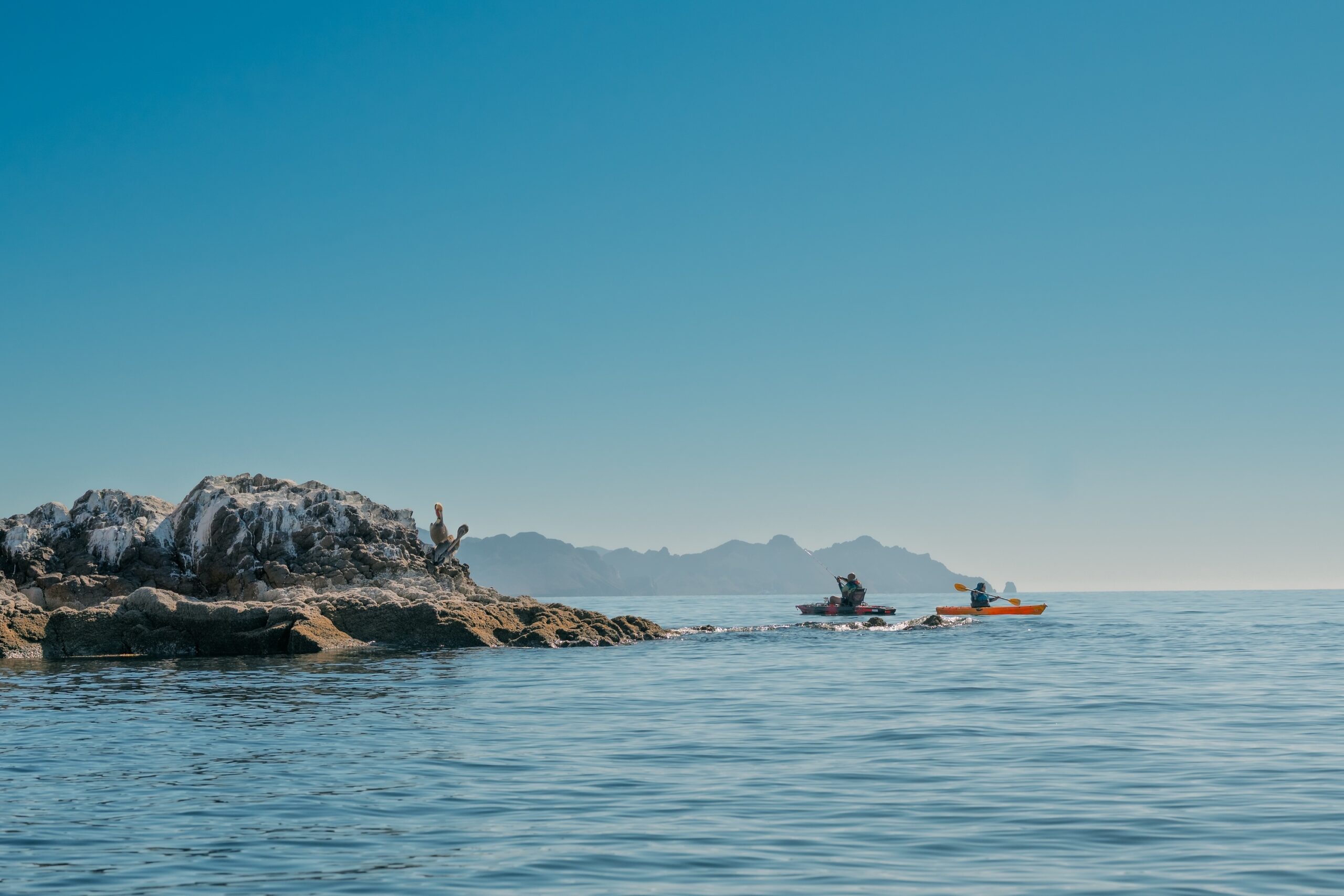
Photo: Shutterstock
Best trip: Head to San Pedro Nolasco, a diving hotspot near the town of San Carlos, to swim among sea lions, angelfish, and the unique two-spotted octopus.
Pro tip: This close to the equator, the sun is notoriously bright. Pack plenty of sunscreen and a good pair of shades. The polarized Costa San Carlos are a great option; not only do they boost contrast and deflect UV rays, but the NetPlus material they’re made from comes from fishing nets collected right here in the Gulf of California.
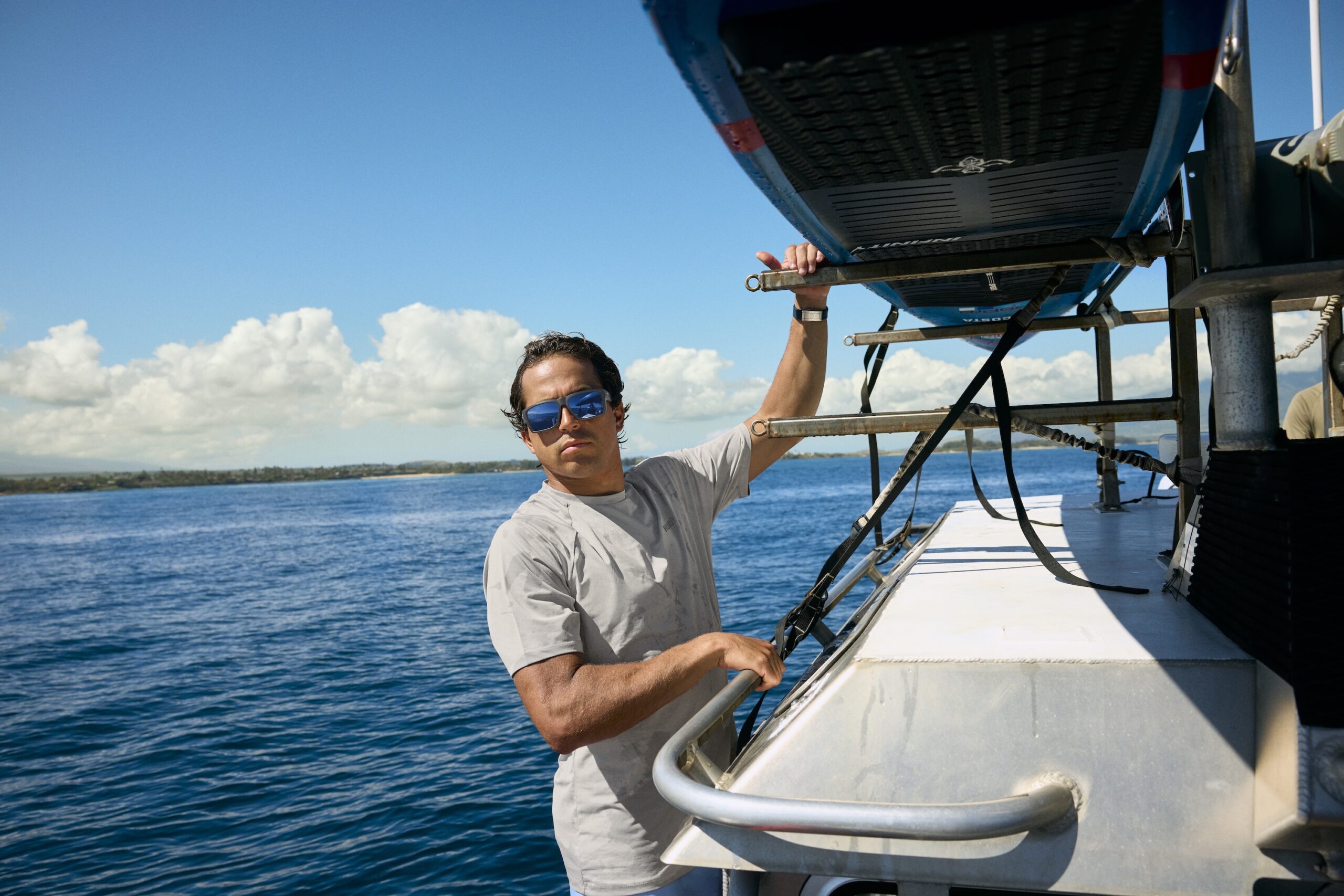
Waterman extraordinaire Kai Lenny in the Costa San Carlos frames. Photo: Costa
Channel Islands National Marine Sanctuary, California
Dolphins, whales, and seabirds dive between the cliff-ringed isles that make up the iconic Channel Islands National Marine Sanctuary. While you can camp and hike all the refuge’s islands, most folks come here to spend time in and on the water. Sprawling kelp forests and protected coves make it a haven for anglers and divers.
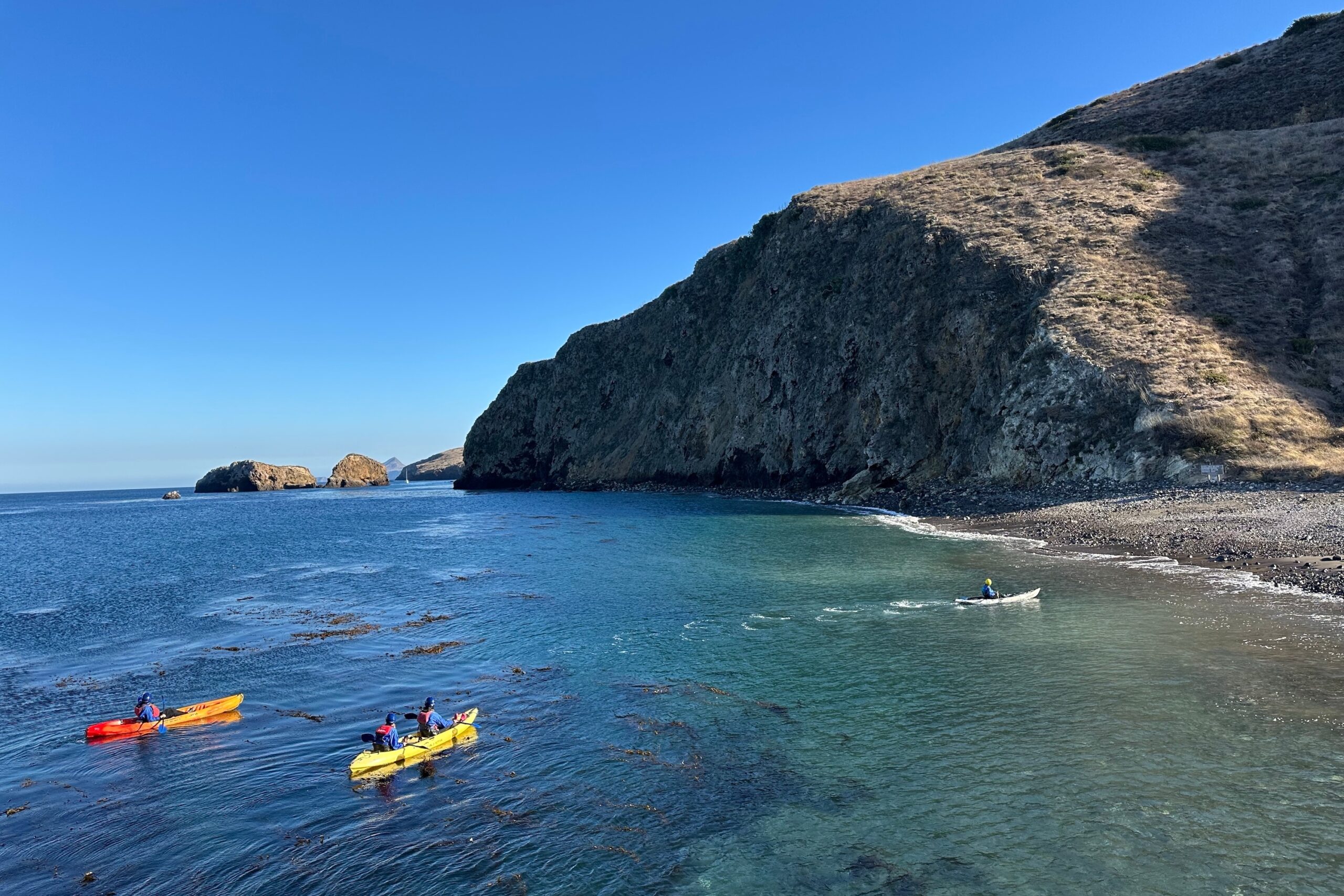
Kayaking the accessible sea caves off Santa Cruz Island. Photo: Shutterstock
Best trip: East Santa Cruz Island is a labyrinth of stone arches, coves, and sea caves. The ideal way to explore them is by boat: Rent a kayak from a local outfitter or book a guided tour to paddle the island’s watery maze.
Pro tip: Conditions can change quickly around the Channel Islands. Check the weather before you go, and study up on your sea cave precautions before you explore inside.
Kenai Fjords National Park, Alaska
This national park is so remote that much of it is only accessible by boat. Fortunately, that’s not a problem for aquatic adventurers. Rent a sea kayak to dip in and out of the park’s sky-scouring fjords, or book a whale-watching tour to spend the day glassing for wildlife between coastal glaciers.
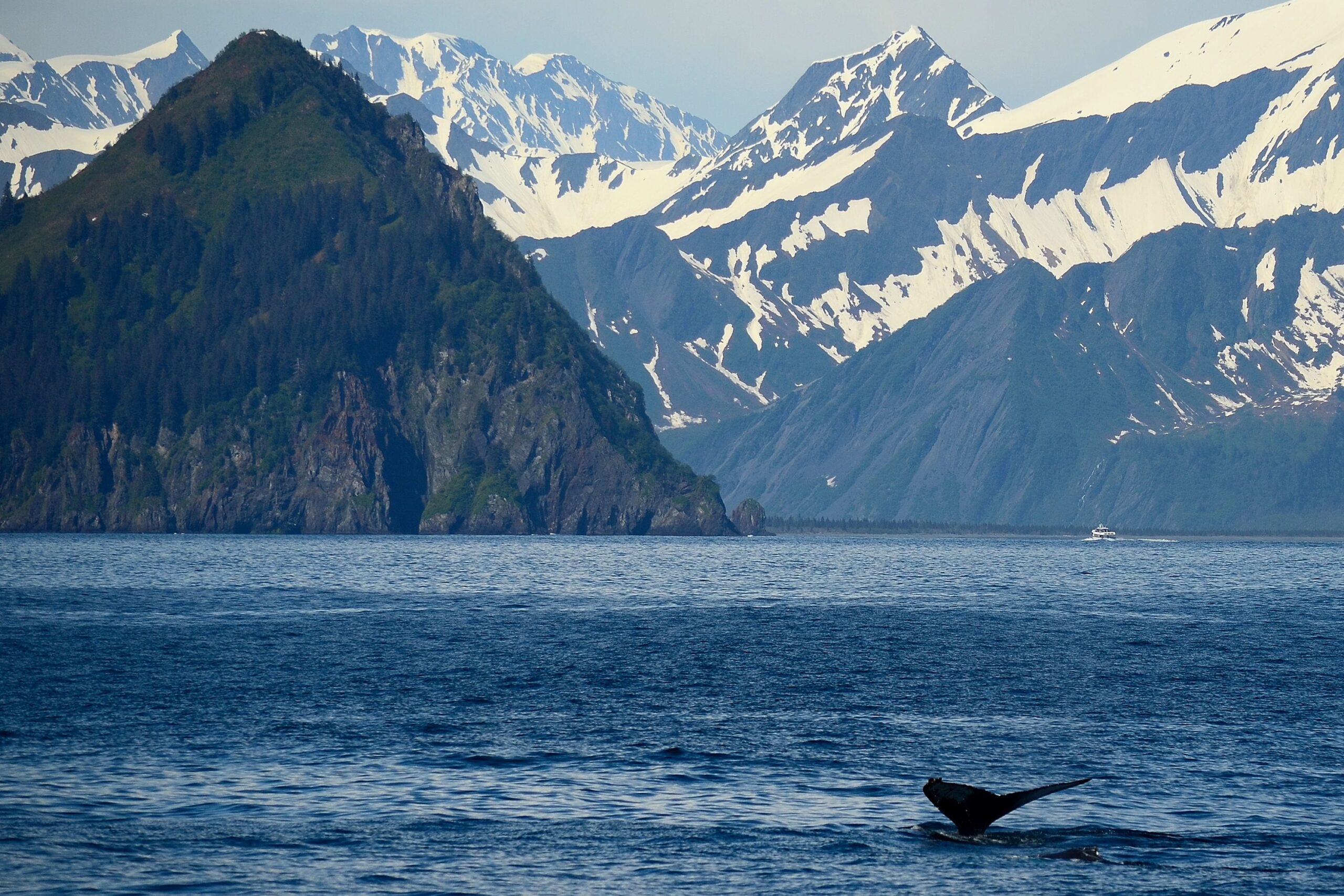
Photo: Shutterstock
Best trip: Kenai’s deep fjords provide a perfect nursery habitat for marine mammals — which makes this the perfect place to see whales up close. A handful of whale-watching tours depart daily from the nearby town of Seward.
Pro tip: Alaska is notorious for its harsh weather, even in the summer. Bring plenty of layers, and pack a good pair of polarized sunglasses to defend against water-reflected rays. Costa’s Untangled Collection is a good bet; each model (like the Antille model, pictured below) offers full coverage and sports frames made from recycled fishing nets.
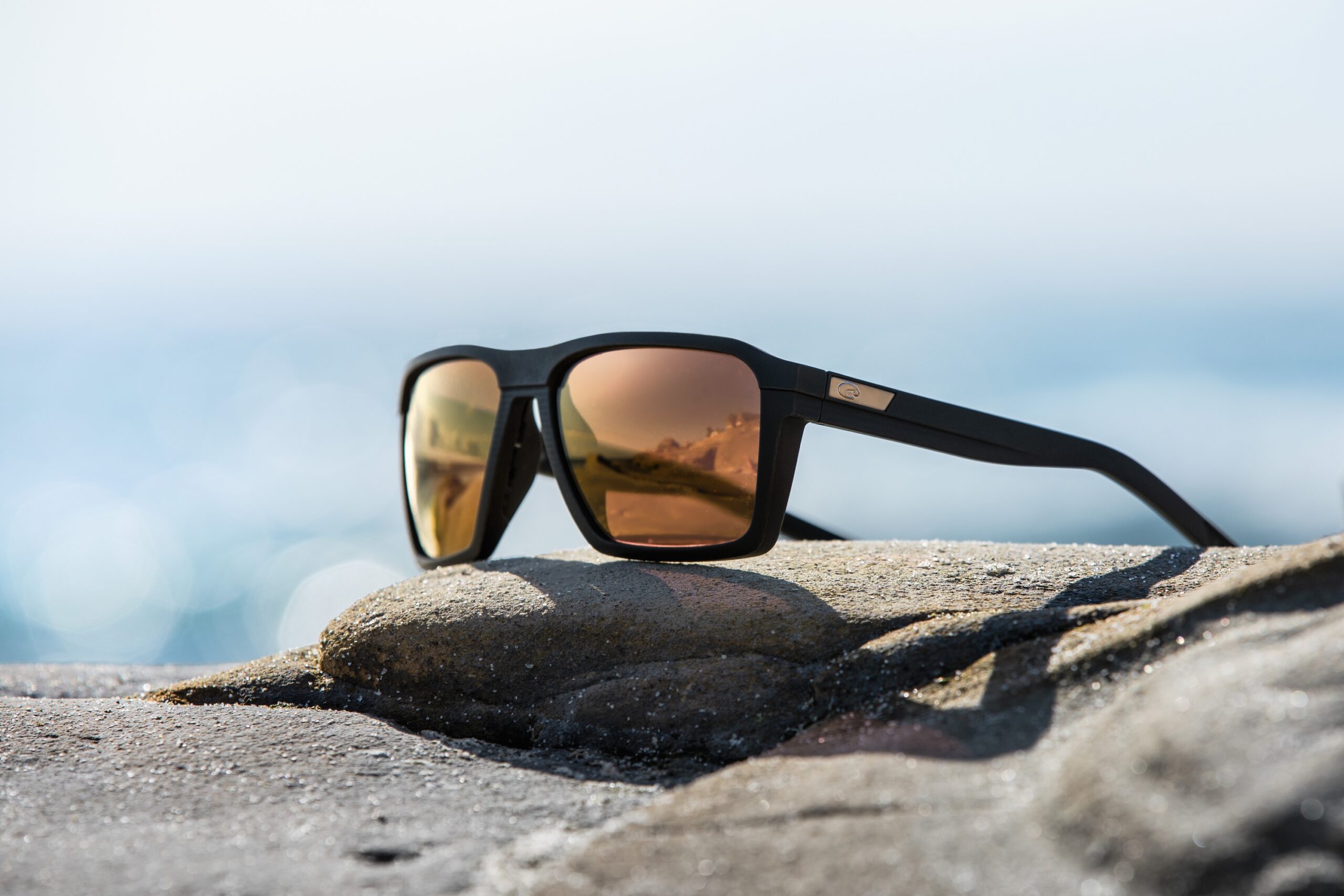
Photo: Costa

