
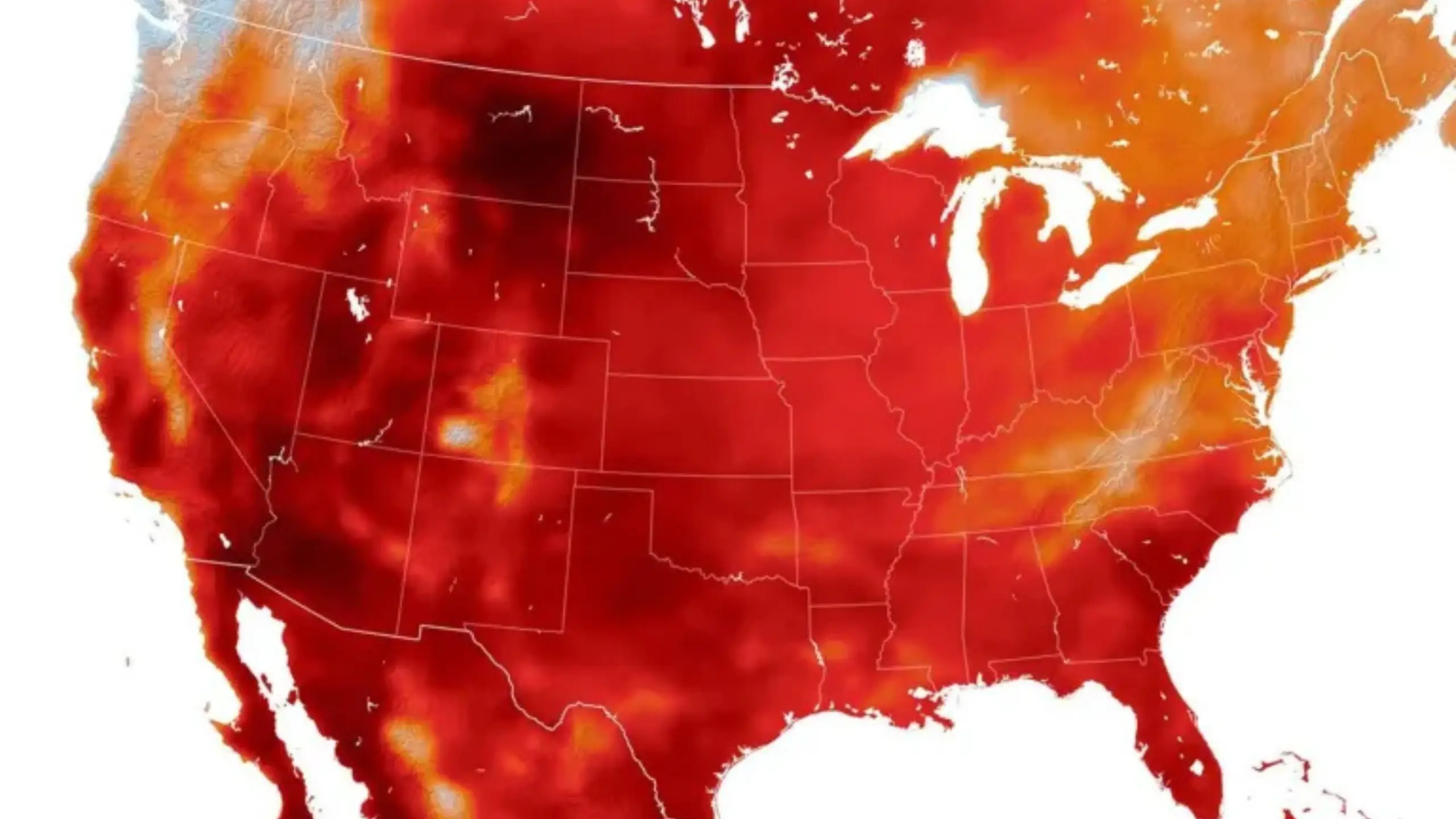
Photo: NOAA

Both August and the meteorological summer months of June- August were the warmest on record in the contiguous United States, according to a new report from the National Oceanic and Atmospheric Administration (NOAA).The organization says that trend should continue through the rest of September too, including the “Southwest and Rockies to the Great Lakes, Gulf Coast and Southeast, with the highest likelihood over a broad area centered on portions of the southern and central Plains.”
Temperature records in the contiguous U.S. go back more than 130 years, with the previous warmest summers coming in 1936 and 2021. This summer topped those with an average temperature of 74.4°F. That’s three degrees above the summer average and .4°F above the previous hottest summer ever. This comes as new data from the European Union’s Copernicus Climate Change Service showed that August 2026 tied July 2023 as the warmest months on record globally. Scientists also believe a historic El Niño and climate change make it very likely 2026 will end up being the hottest year ever recorded globally, so the trends observed by NOAA weren’t exclusive to the United States.
Data on nighttime temps also stood out. While those hours can be a bit of temporary relief during summer heatwaves, many regions saw “much-above-average nighttime minimum temperatures,” NOAA says, leaving a high floor for even daily minimum temperatures.
California, which saw constant heat waves throughout the summer, had an average daily temperature of 75.6 degrees and an average daytime high that was considerably higher at 88.6 degrees. And if you’re in Southern California, you’ve likely noticed the water is a bit warmer than than most summers. Coastal water temps near Los Angeles reportedly averaged 75 degrees, and 76 degrees in San Diego. Heading into a new season as an El Niño develops, and then a winter in which El Niño will be revved up to full speed, those sea-surface temps around Southern California should stay higher than normal for a while.

