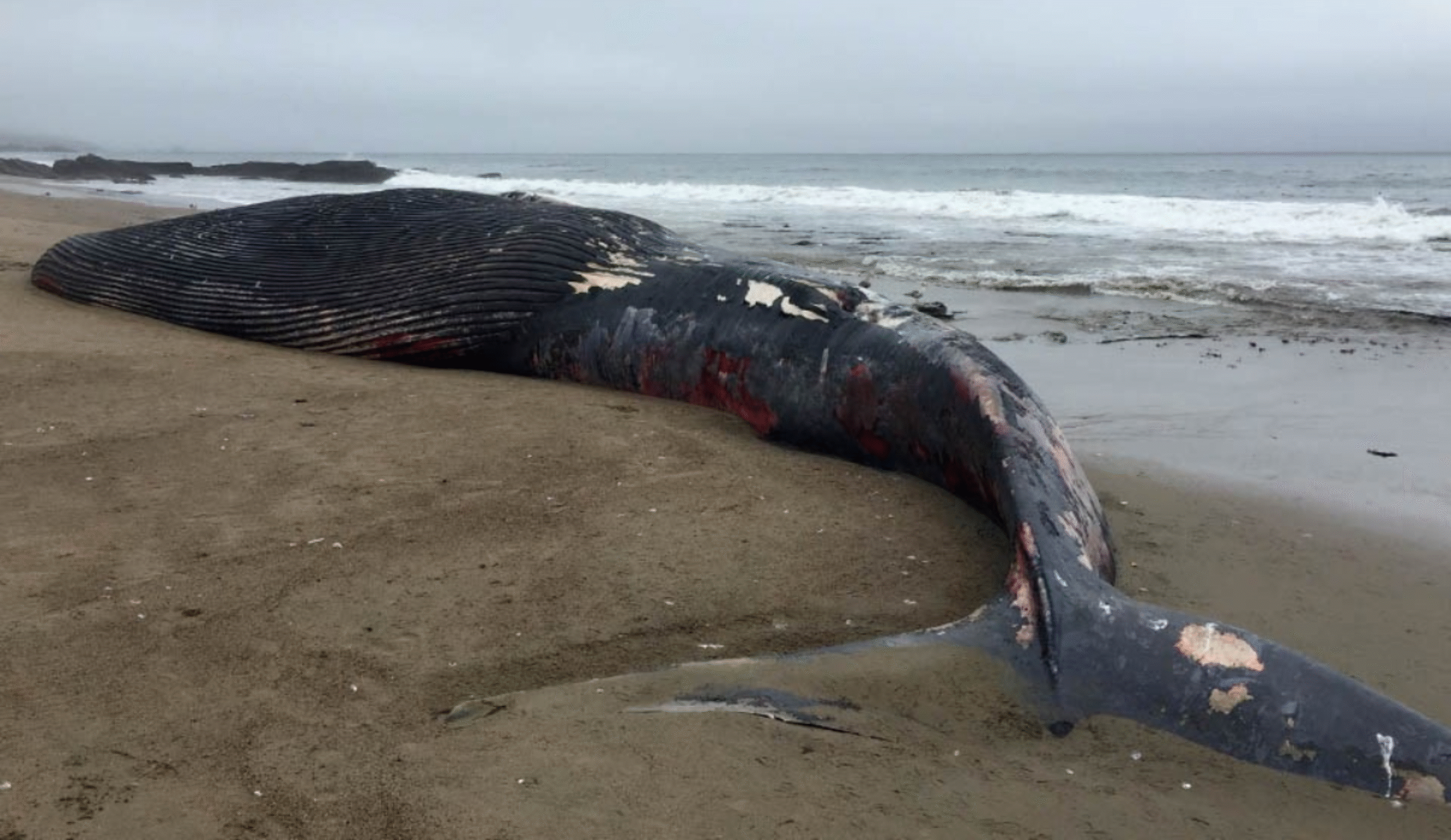
A report released by the Center for Biological Diversity, a nonprofit organization dedicated to protecting endangered species, wildlands, and the climate, claims that 2026 is on track to be one of the deadliest years for whales along the West Coast of the United States. The organization says that as of late May “at least” 51 whales have died between the Washington, Oregon, and California coasts. At this pace, the CBD says, 2026 would finish as the second deadliest for whales in the region behind a record-setting 122 whale deaths in 2019.
The report outlined two specific common causes of whale deaths and strandings. One, in particular, comes with a plan of action proposed by the nonprofit.
“Far too many whales are dying along the West Coast, and ship strikes and other human activities are contributing to this deadly surge,” said Miyoko Sakashita, oceans director at the Center for Biological Diversity. “We know we can save whales by slowing ships down in whale hot spots, so federal officials need to make it happen. It’s truly tragic to see dead whales washing up on the beach, and we need these magnificent creatures to keep the ocean healthy.”
To mitigate the risks of ship strikes on whales, the Center for Biological Diversity says it is suing the U.S. Coast Guard. The CBD says adopting a mandatory speed reduction to 10 knots in areas of high whale activity would be one step, and hopes the U.S. Coast Guard will take measures to protect the animals when they designate shipping lanes.
One specific area of concern for this threat is the San Francisco Bay, where researchers say there was a mortality rate of 18 percent for whales in those waters between 2018 and 2025. Ship strikes accounted for 40 percent of those cases that were investigated. This year, the Center for Biological Diversity says eleven gray whales have died in the San Francisco Bay Area. Two of them are suspected to have been ship strikes.
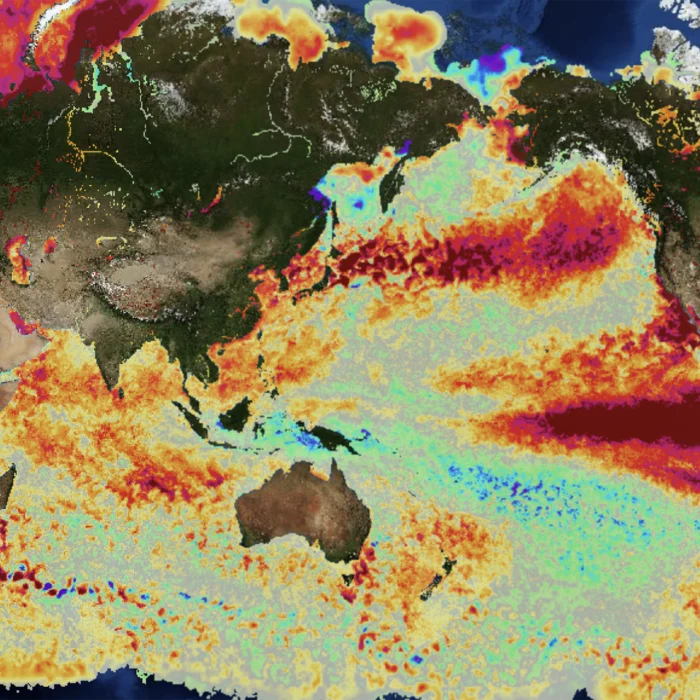
The report also points out that several gray whales that have died this year were in poor nutritional condition. The organization thinks that’s caused by warming in the Arctic, which changes conditions throughout the entire food chain.
“Those prey depend on a food chain that begins with sea ice, and when sea ice melts earlier and forms later, less of the algae that amphipods eat reaches the seafloor, so there are fewer amphipods and small animals for gray whales to eat before migration,” the Center for Biological Diversity said.