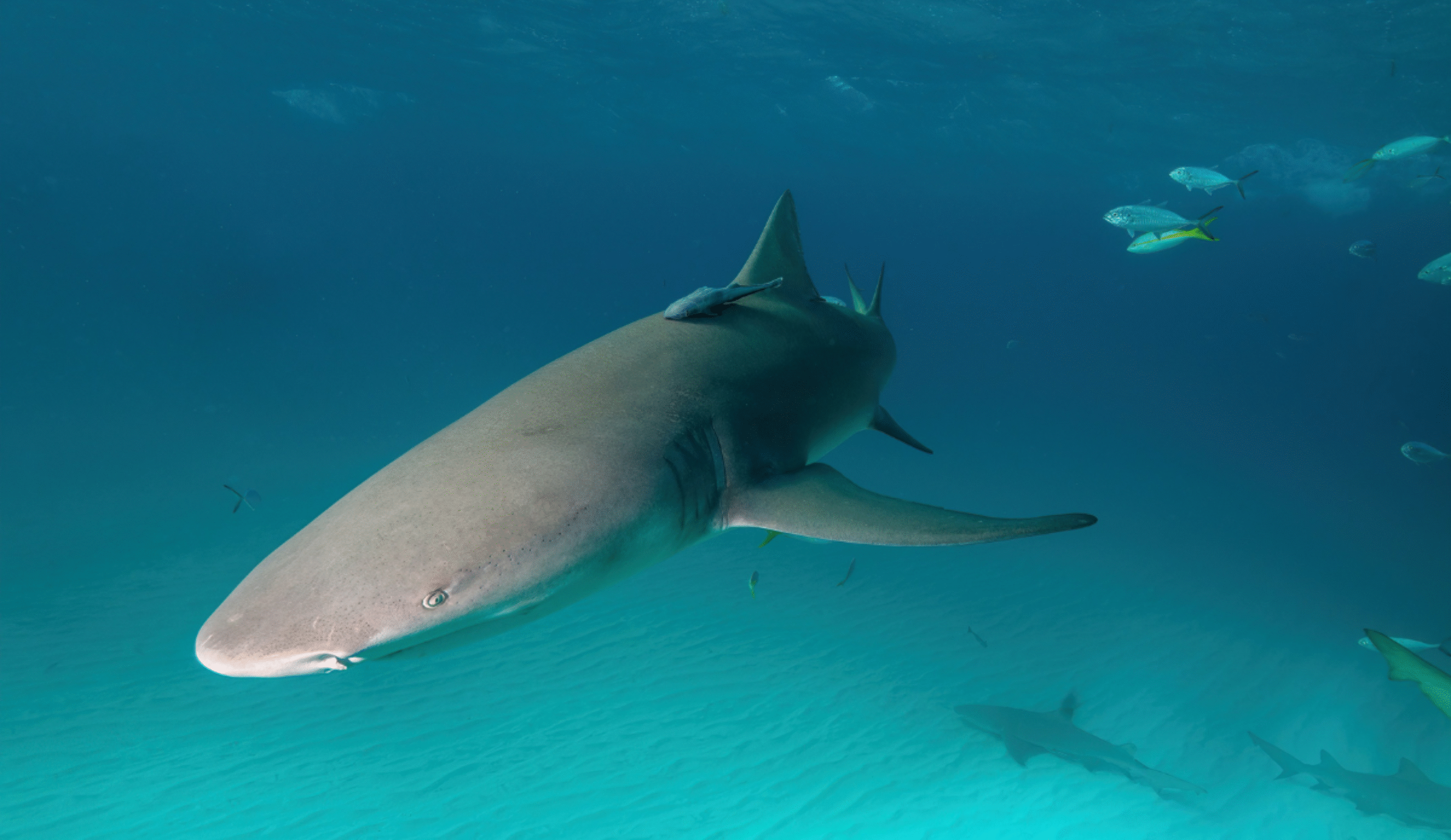
The prominence of microplastics in our oceans is well documented. Plenty of studies have backed that up, showing that microplastics have even reached the deepest parts of the sea. But that’s not the only human waste that impacts ocean life. For at least the second time now, scientists have found proof that our consumption of things like caffeine, cocaine, and painkillers eventually make their way into aquatic animals. In a recent study, sharks tested positive for these human substances.
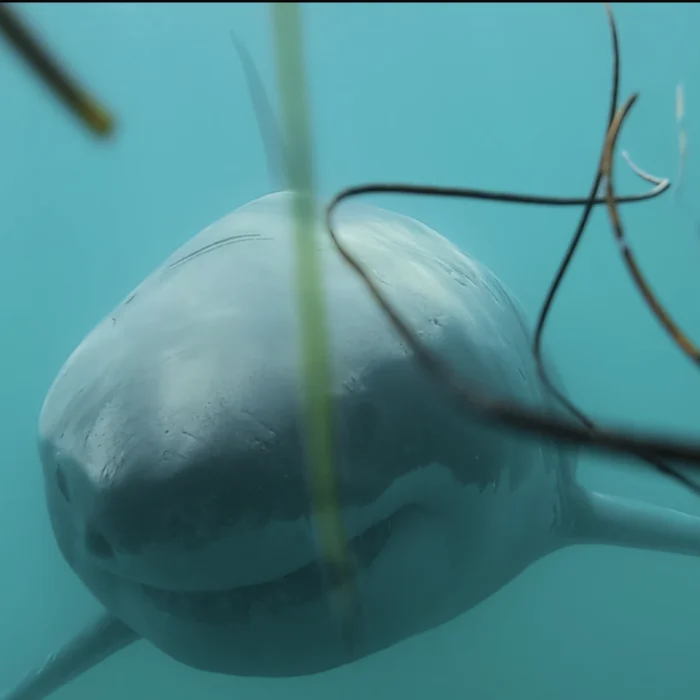
The new study, published in Environmental Pollution, examined blood samples of 85 individual sharks off the coast of Eleuthera Island in the Bahamas. They tested for almost two dozen different types of drugs, both illicit and legal, and found at least 28 sharks had caffeine, anti-inflammatory painkillers, and other drugs in their system. Unsurprisingly, the most commonly used drug in the world was also the most prominent in sharks in the study: caffeine. Acetaminophen and diclofenac were the next most common, the active ingredients in Tylenol and Voltaren. And finally, the headline-grabbing find, a single baby lemon shark in the study tested positive for cocaine.
Natascha Wosnick, a biologist with the Federal University of Paraná in Brazil, was part of a team of scientists that found cocaine in Brazilian sharpnose sharks just two years ago. She theorized this shark, which was found in a nursery creek, had probably ingested a packet containing cocaine residue. In other words, the shark came across somebody’s lost bag.
“They bite things to investigate and end up exposed” to substances, Wosnick said. She told the media these findings are significant because they reveal our consumption and waste aren’t confined to urbanized or developed areas.
Eleuthera Island maintains a unique space in the Bahamas in part because it isn’t as developed as Nassau or Freeport, for example. Part of its draw to tourists is that the island can feel “untouched,” even though that very factor is driving new development and more people to the island lately.
“To the best of our knowledge, this is the first report of caffeine and acetaminophen detected in any shark species worldwide, and the first report of diclofenac and cocaine in sharks from the Bahamas, an environment commonly described as pristine,” researchers wrote.