
El Niño is quite the buzz word these days, and to most of us it simply stirs up thoughts of intense winter conditions. With an expectation that this winter’s event will be as strong, or possibly stronger, than the record 1997-98 El Niño, scientists are confidently predicting some of the effects it will all have on our environment.
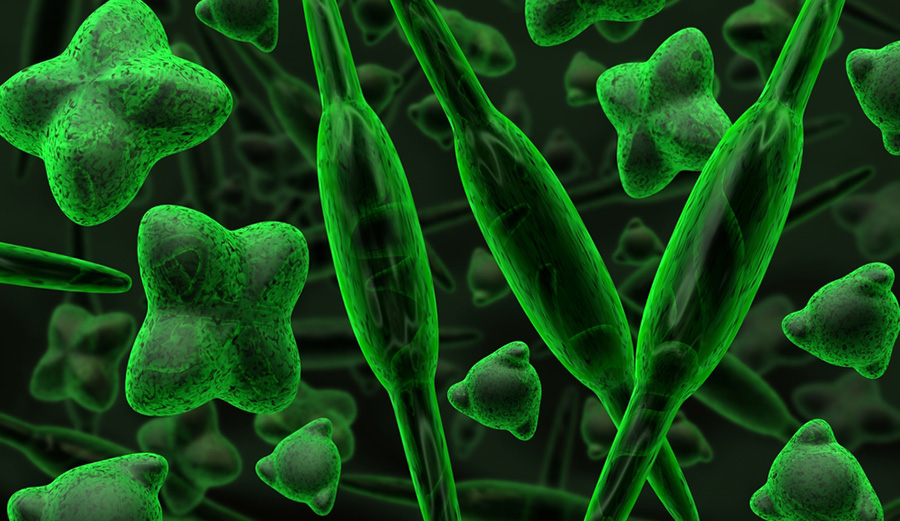
The first notable observation they’ve made as the El Niño approaches a state that people take notice is the effect it’s having on an essential piece of the ocean’s food chain. Declining concentrations of sea surface chlorophyll indicates the decline in phytoplankton, the microscopic organism that releases oxygen and creates a foundation for the natural food chain. Everything from zooplankton to whales graze on phytoplankton blooms, but essentially everything that lives in the ocean is connected to consuming phytoplankton in one form or another. It is a producer for even the smallest microscopic organisms, which are fed on by small fish and invertebrates and so on up the entire aquatic food web. And this is why harmful algal blooms can have such an adverse effect on entire populations of nearby marine life.
In past El Niños this effect has led to population declines for some fish brought on by famine, but it’s considered part of a natural cycle that shouldn’t be permanent. The late 90’s El Niño, for example, there were strong population declines throughout the Eastern Pacific food web that was essentially reversed when the following year’s La Niña increased the upwelling of necessary nutrients and fertilized a massive phytoplankton bloom.
So what does this all mean? Even with potential decline in fish populations brought on by an El Niño, a possible strong La Niña in the following year can bring on surges for the same effected marine life.

