
Photo: Flavio Gasperini // Unsplash

A series of dolphin strandings in Hawaii have been linked to a deadly bacteria that can spread to humans. Research into the cause of the infections has also brought up concerns about what wider implications the animals’ deaths have for the ocean ecosystem.
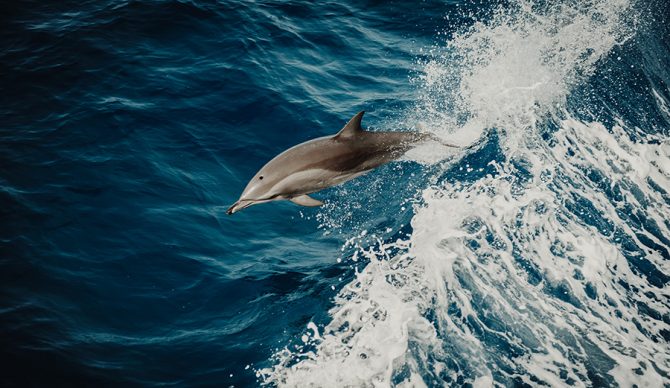
Over the course of seven days, three striped dolphins stranded on east Oahu shorelines, as University of Hawaii News reports. On June 7 and 8, two were found in Waimānalo. On June 15, a third stranded dolphin was found in Waikāne. University of Hawaii at Mānoa’s Health and Stranding Lab (UHHSL) scientists tested the animal carcasses and found that all three tested positive for the bacterial infection Brucella ceti.
What’s more, Brucella ceti not only affects cetaceans, but can also transfer to humans. If untreated, the bacteria can cause chronic arthritis, neurological issues and flu-like symptoms in humans. “Brucella ceti can be dangerous to humans who touch infected marine mammals,” said Kristi West, associate researcher at UH Mānoa’s College of Tropical Agriculture and Human Resilience (CTAHR). “It is best to be cautious and avoid touching or handling stranded animals. We strongly urge the public to report any whales and dolphins in distress in the ocean or stranded on beaches.”
In a study published in May in the Journal of Wildlife Diseases, CTAHR researchers screened for the presence of Brucella ceti in 66 cetaceans that stranded in Hawaii from 2000 to 2024. Of those animals, 31.8 percent were found positive for Brucella. Seven species in total were affected, with striped dolphins found to be particularly vulnerable to the disease.
The strandings also have wider implications for the marine ecosystem as a whole. “Dolphins and whales are recognized sentinels of ocean health and give us signs and signals about what’s happening out there,” added West. “Three strandings within one week likely represents many more dolphins that died and were lost at sea. It raises our concern about what’s happening to the animals in their ecosystem.”

