
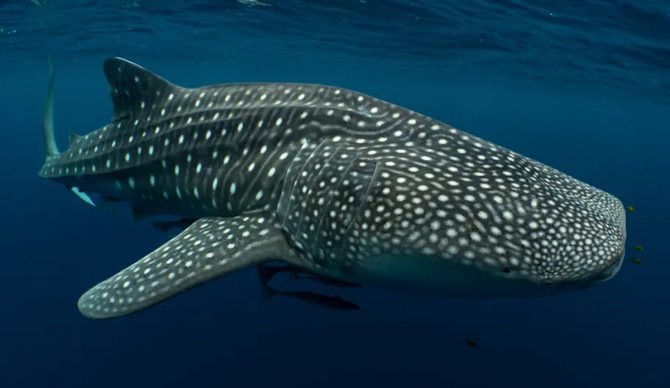
Photo: M.V. Erdmann via Frontiers of Marine Science

Whale sharks are more vulnerable than their behemoth size would indicate. Not only are they classified as endangered on the IUCN Red List of Threatened Species, but a new study published in Frontiers in Marine Science found that roughly four out of five of them bear scars caused by humans.
Over the course of 13 years, Elasmobranch Institute Indonesia-lead conservation scientist Dr. Edy Setyawan and his colleagues studied whale sharks in the Bird’s Head Seascape off the coast of Indonesian West Papua. After observing 268 individuals, they found that 77 percent had visible scars or injuries from human-made causes.
“We found that scars and injuries were mainly from anthropogenic causes, such as collisions with ‘bagans’—traditional fishing platforms with lift nets—and whale shark-watching tour boats,” said Setyawan. “Relatively harmless minor abrasions were the most common. Serious injuries from natural causes such as predator attacks, or from boat propellers were much less common.”
Of the 206 sharks with injuries, 80.6 percent had injuries caused by humans, while 58.3 percent had injuries from natural causes (there was some overlap, with some sharks having injuries from both sources). Serious lacerations, amputations, and evidence of blunt trauma from anthropogenic sources were only seen in 17.7 percent of individuals.
With the majority of sharks being spotted around the bagans, and shark tourism on the rise, the researchers expect the risk of injuries to only increase, unless steps are taken to protect the gentle giants.
“We aim to work with the management authorities of the marine protected areas to develop regulations to require slight modifications to the bagans, including the removal of any sharp edges from boat outriggers and net frames,” said Erdmann “We believe those changes will greatly reduce scarring of whale sharks in the region.”

