Exploration is a cornerstone of surfing. But there are fewer and fewer corners of the world left to actually discover. It’s a dilemma that filmmaker Jed Fasso found himself wrestling with, and one he tackled head on in Patagonia: Beyond Borders.
Fasso’s life story begins in the same place where the film does: Byron Bay, Australia. He grew up in a caravan park just outside of the idyllic coastal town and cut his teeth surfing nearby. Despite competing in pro juniors and having a brief run at the QS, he never quite gelled with the life of a competitive surfer. “It kind of felt like I was always being pulled away from the sport I love when I put a rashy on,” he says. But he always enjoyed filming, which he felt more reflected what he loved about the artistry of surfing itself. After spending a year studying filmmaking in university, he decided to strike off on his own. Soon after, he started traveling and never looked back.
Fast forward to 2024, when he and a group of fellow adventurers started a bold journey – partly because of its simplicity: they’d find a spot on the map where they thought might be a wave and go there. Months later, after traveling across the globe, and being met by harsh weather and warm locals, they actually managed to do it. Beyond Borders: Patagonia is the result.
I sat down with Jed to learn more about what went into making that dream a reality.
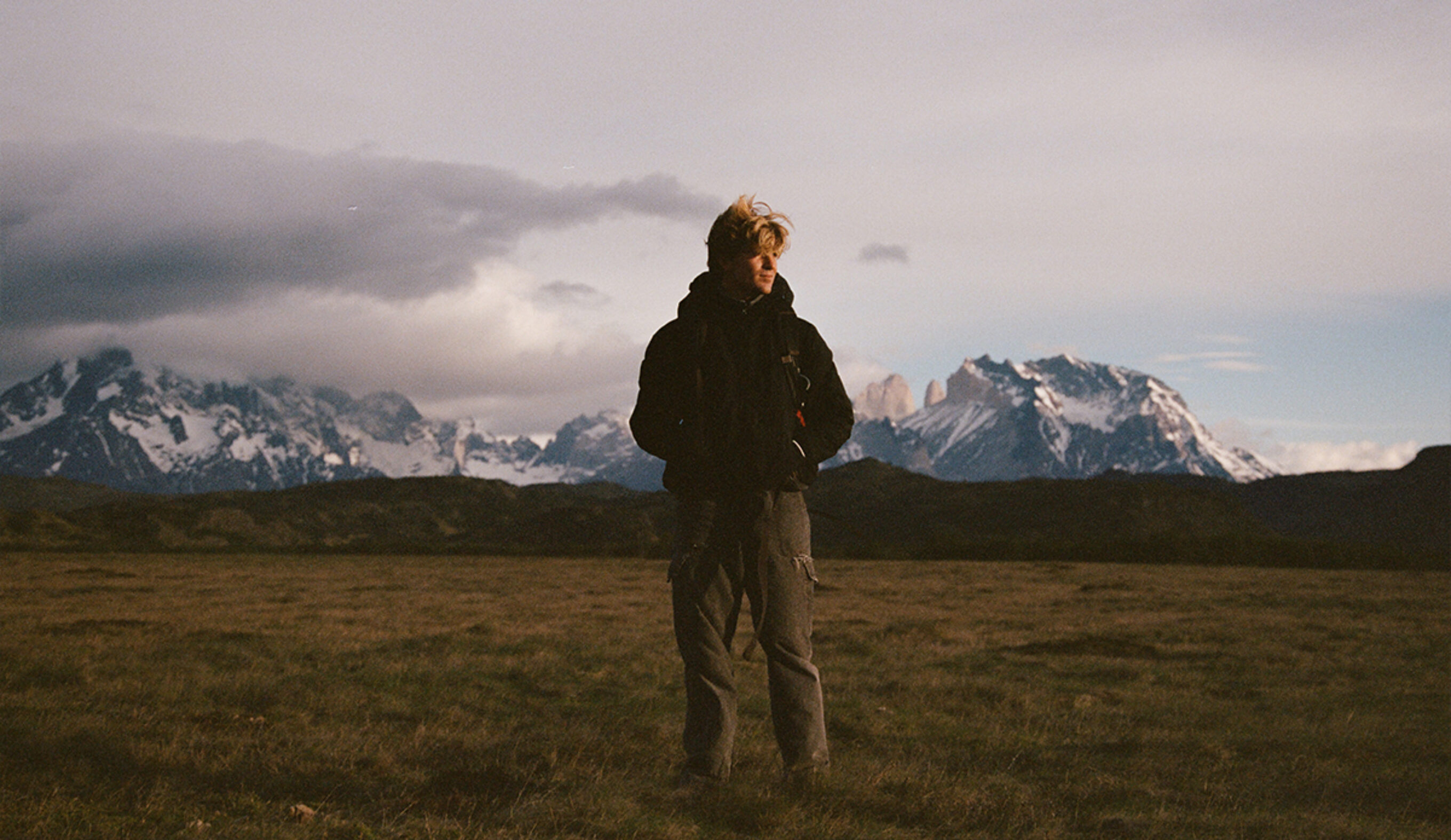
Jeds journey as a filmmaker is just beginning. Photo: Jed Fasso//Beyond Borders: Patagonia
So this whole thing started two years ago for you.
I was just at home, trying to think of what’s next for me, in terms of surfing and filmmaking. It’s always been a dream to try and find a new wave, like so many surfers. I was throwing ideas around and spoke to a friend over in Cape Town about the possibility of trying to find something new in a world where there’s not that much left to discover, especially in surfing. We were looking at Google Maps for a long time, trying to decide on what coast in which area might have what we want, and we came across that Patagonia coast.
Did you have any connection to Chile? Had you ever even been?
No. It was like probably the most naive thing I’ve ever done in my life, just kind of pointing to a part of a very remote coastline and being like, “Okay, I’m gonna try and fly there and get there.”
Looking back on it now, it was very naive of me and I’m so baffled that we even were able to pull it off in the first place. It’s not like we had a big huge brand backing us or we had this massive budget. It was just literally me being like, “Okay, we’re gonna make it work and we’ll see what happens.”
Going into the expedition with no plan, how much of that was a deliberate filmmaking choice, versus being naïve or impulsive?
I think it was a bit of both, to be honest. It was more like me playing into the part of the story before it even began. Honestly, if I had the choice of being able to plan an expedition like this from home, I would, but with a place that’s so remote from Australia, there’s no one around here that knows anything about Chile or South America, let alone that coast. The handful of people that actually have knowledge on surfing in that region is so small. I was like, “The only real way to plan this expedition is if we actually get there and just try and meet the right people to gather the information we need.”
We started in Arica, which is at the border town between Peru and Chile, because the only connection we had to anyone in the country was this one guy that I met, and we were like, “Fuck it, we’ll just start at the very north and pick his brain, and hopefully he has some friends farther on south, and then hope that his friends have friends.
I don’t think I could repeat that anywhere else. It was literally a pure chance that we were able to meet those right people. It was just a fucking miracle that we were able to do it.
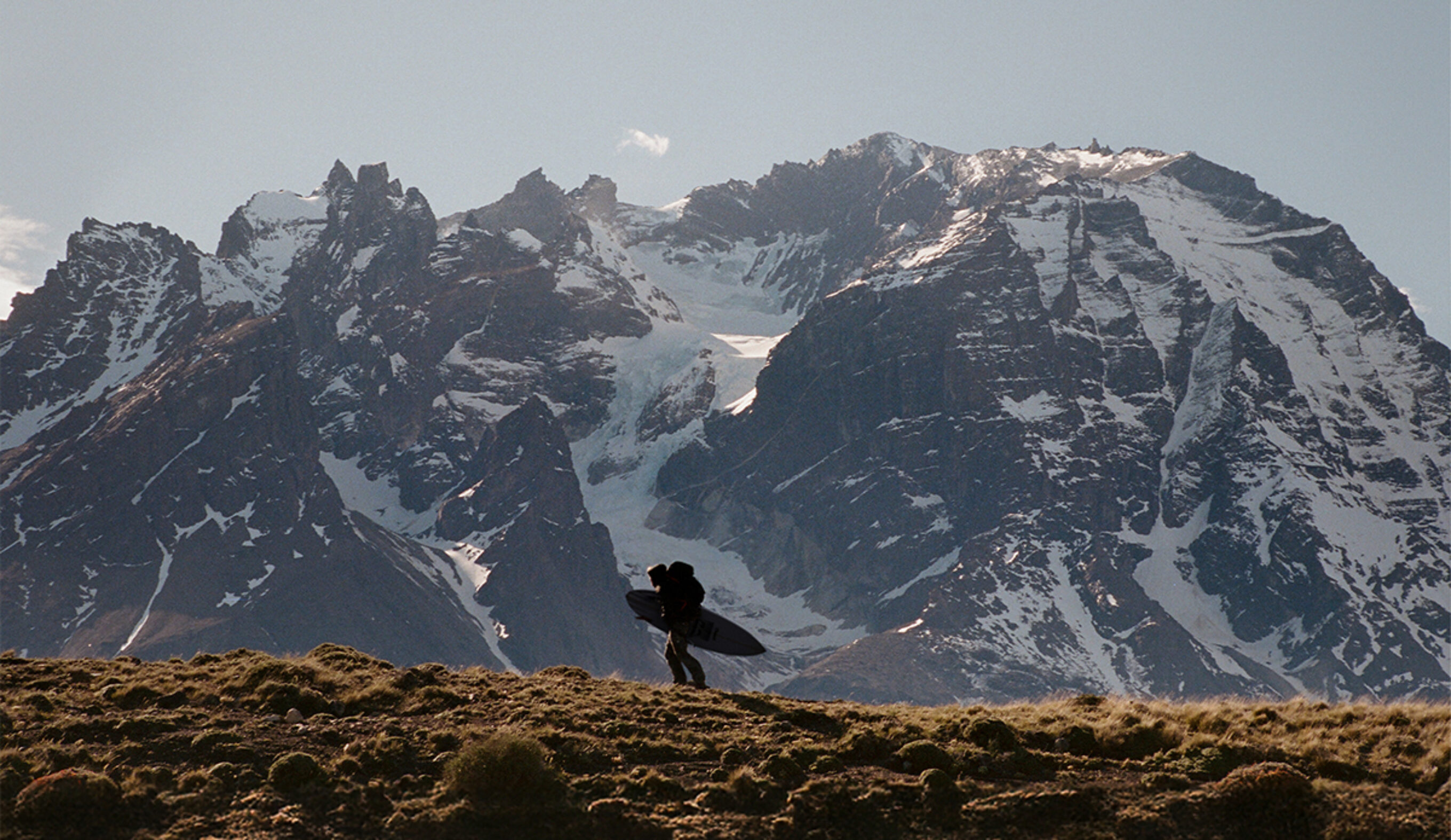
Doesn’t get much more picturesque than that. Photo: Jed Fasso//Beyond Borders: Patagonia
Were there points where you thought that you wouldn’t be able to finish?
Literally up until the point that we got on the boat, I didn’t think we were even going to get to that section of coast that we wanted to. We jumped off the plane straight to the northern tip of Chile, which is like going from one side of the U.S. to the other. I didn’t really know how we were going to do it. It was me just having a naive belief that it was going to happen. In the back of my head, I didn’t think we were going to even get there until the very end.
You also had some pretty major weather-related issues. Tell us about that.
We tried to hike into the first area that we were hoping to explore and a bit of weather came our way that we didn’t really expect. We had a delay and then we ran out of food to continue pushing deeper and further south along the coast. That was when we thought the sailboat would be the best option to try and navigate the coast rather than walking the entirety of the way. So we basically sat on our hands for a few weeks, waiting for a window of weather that would allow us safe passage.
There was a big swell coming that we were hoping to get there for, but once we jumped on the sailboat, the swell hit us basically as we hit the open ocean. So there was a five-meter swell hitting early, and we were trying to get to a place to surf that swell, in a window of opportunity that was thinner than a week. With that five-meter swell came a lot of weather and wind, and everyone was pretty scared on the boat. It was a really rough few days, trying to find a fjord to basically just wait out the swell. We were sitting around in the rain in a wooden-hull sailboat with six other Chilean guys and my partner, and I’m just like, “What the fuck have I done?”
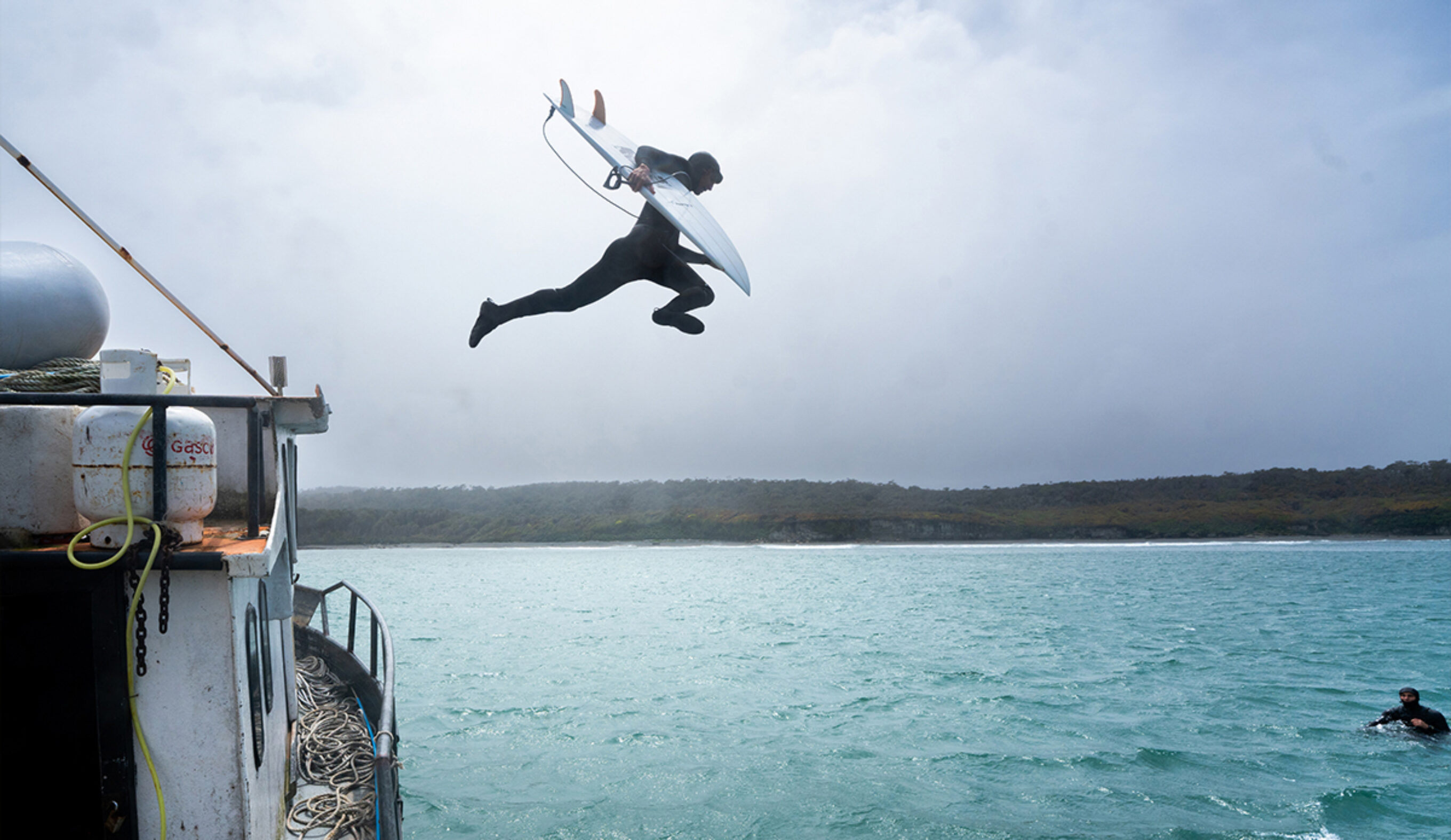
The spirit of exploration is still alive. Photo: Tatan Clement Eller // Beyond Borders Patagonia
What was the feeling like when you finally did see the wave?
It was like we were high. Everyone was just so excited. It’s kind of hard to explain the feeling, when you’ve sacrificed everything for so long, to just safely get to a place like that and find waves within the last week of a journey that’s taken months. The feeling was just unfathomable. It was insane.
That feeling and connection that we had with some of the Chilean surfers transcended our ability to communicate, too. Because some of them didn’t speak English that well, and obviously I don’t speak a lick of Spanish, so it was this crazy feeling where everyone just felt the same, and you didn’t really have to say anything. It was just like a collective freak out.
How did your interactions with the locals, and the culture, influence your filmmaking?
They carried it, really. It was a complete miracle that we found the right people that were willing to partake in the film and believe in that kind of expedition that took us from Australia to the other side of the world. It’s a testament to the Chilean people that, from start to finish, every single person we met opened their home to us complete strangers.
I also met a lot of people in Chile that had that same drive of expedition-style surfing, and surfing in general. Finding like-minded people on the other side of the world that are willing to help was just insane to me. There’s all these people that were super nice and willing to sacrifice so much to see the adventure through. I am forever grateful for people like that.
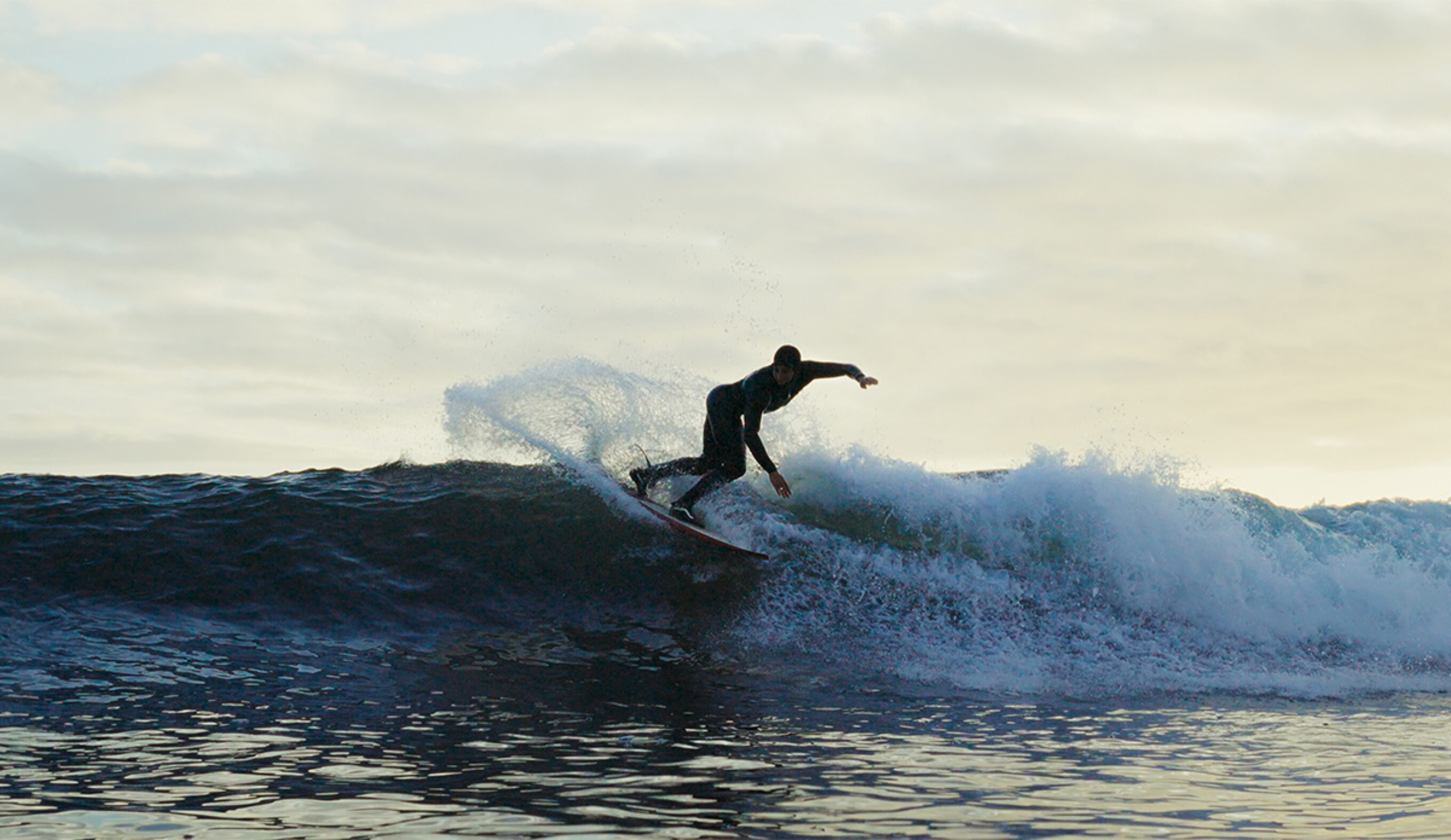
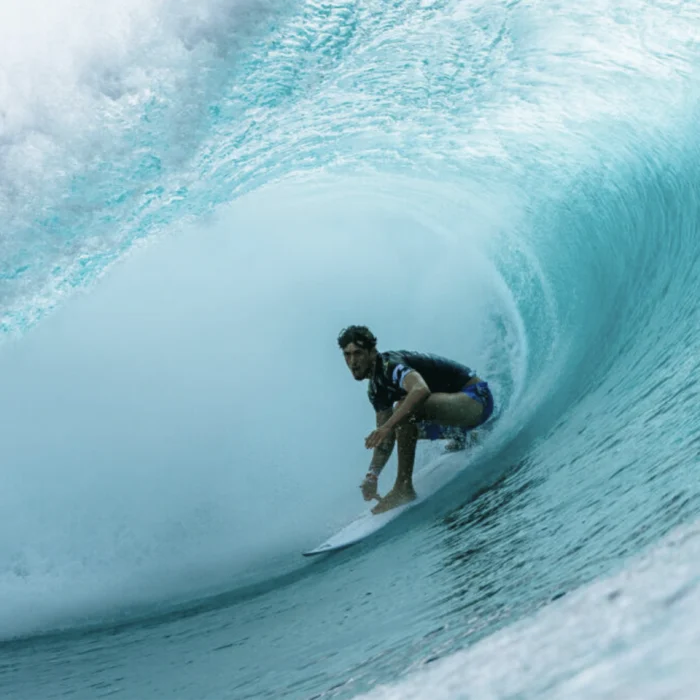
It turned out there really was a wave at the edge of the world. Photo: Roberto Ilufin // Beyond Borders: Patagonia
What’s next for you?
Completing this journey and trying to make my first feature film and trying to continue my surfing endeavors. Doing this feature film, it’s set a few things in motion that I’m like, “Okay, well, this is what I’m doing now. This is my trajectory.” It was a refreshing feeling, because it’s hard to find your way. That journey really made me realize that I want to continue surfing and filmmaking and trying to find new waves, whether it be again in Patagonia, or in another far corner of the world. I think there’s a lot of opportunity out there. Seeing that coast, it really made me realize that there actually is a lot to discover in surfing, and there’s a lot of waves that are still out there, waiting to be discovered.
Find screenings for Beyond Borders: Patagonia here.