

Photo: Blizzard

Variety may be the spice of life, but it’s easy to understand how that may not always apply to the gear world. When an athlete finds something that works, something they trust, good luck convincing them to take a spin on something new. Of course, this is just one hurdle thrown in front of fresh-faced brands bringing innovation to the market or simply adding their personal take on the standards, like a ski or snowboard jacket, a helmet, to name a few.
Our gear editors get requests to check out a range of different new brands and products all the time, so we know how difficult it can be for the up-and-coming brands to make their mark. To be completely frank, many of them don’t last because they don’t stand out. But the following list is a short compilation of “new” brands and gear that have piqued our interest this season. We’re stoked on these:
Best New Ski Gear We’ve Tested This Year
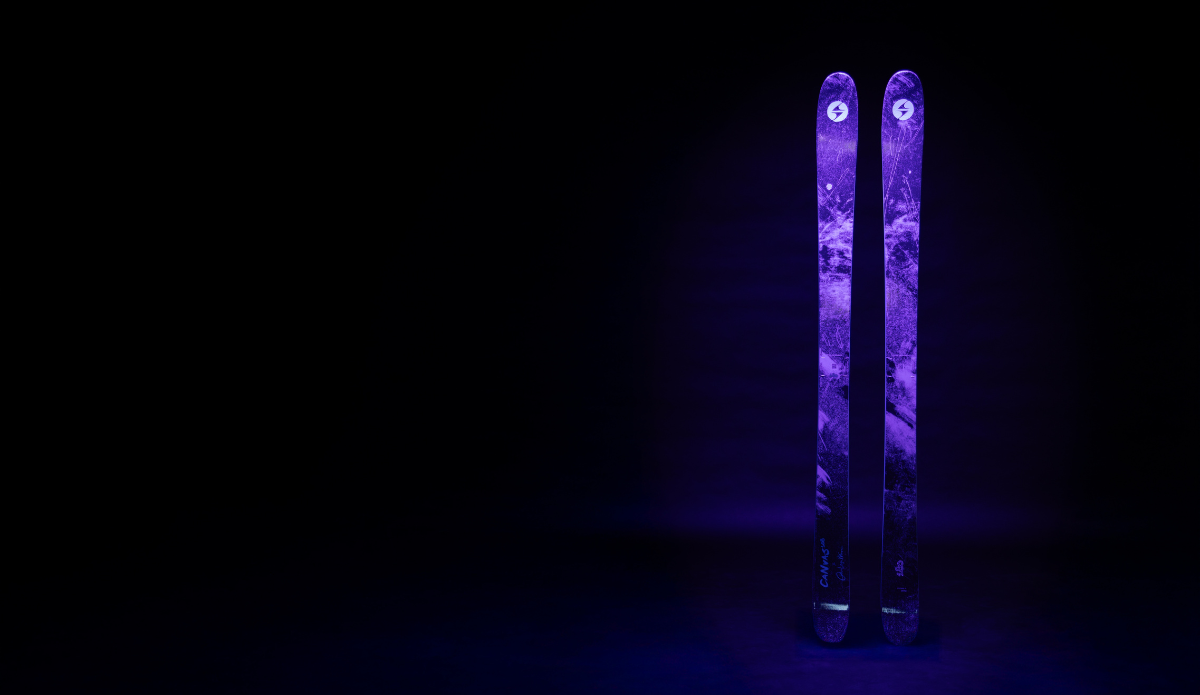
Photo: Blizzard
Blizzard Canvas 108 Skis
Blizzard skis are not new, but the concept behind Blizzard’s new freeski twin tips is certainly new territory for the company. The brand is Austrian-designed, Austrian-engineered. They’re racing-focused, to put it bluntly, and they’ve established a reputation as the cream of the crop for skiers with that background. The Canvas 108 ($799), however, is meant to reach an entirely different cohort of skiers.
“Skiing with Blizzard is like driving a Ferrari. It’s got stiff suspension. It’s high-end performance. The people who buy a Ferrari or buy Blizzard expect a certain kind of performance out of that ski. You’ve gotta be at a certain level of performance to enjoy your standard Blizzard ski,” Blizzard athlete Connery Lundin told us last year. “For someone that’s not a former ski racer or didn’t grow up skiing their entire life, Blizzard’s been sorta unapproachable.”
This season’s release came in the form of the 108mm width twin tips, with 100s and 118s due Fall 2026.
The 108s are a quiver killer, though, as Lundin puts it. I’ve ridden them exclusively (174cm) this season (paired with Tyrolia Attack 14 Freeski bindings and custom Lange Shadow 120 boots, for reference) and have been having a blast despite the atrocious conditions out West. They are fun, to put it bluntly, initiating turns easily and projecting through carves without locking you into a line at high speeds (this is a Blizzard ski, after all). But they’re also comfortably “free” flying through sidehits on groomers and whipping some cruisey turns without feeling like a light, poppy park ski.
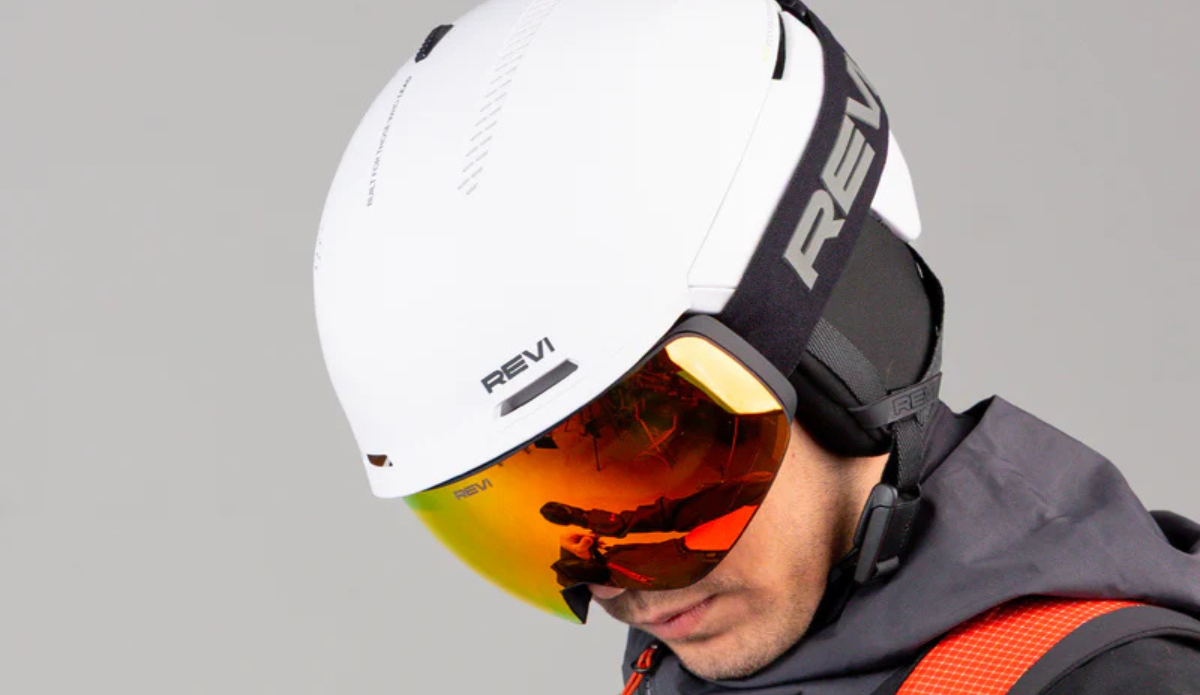
Photo: Revi Gear
Revi Challenger Helmet + Catalyst Goggles
Revi is a new helmet brand out of Colorado. Its Founder, Lizzi, spent years riding in helmets that were uncomfortable and felt like nobody designed them for how fast and hard we all ski today. So she went out and made something she loved herself. The brand’s Catalyst Goggles ($160) complete the new Revi setup with the Challenger Helmet ($250) and ensure a sleek, fitted look. Because nothing looks worse than a helmet that doesn’t fit and that unmistakable forehead gap from goggles that don’t match.
My own experience with the new setup so far this season suggests they’ve nailed the comfort part. The micro dial system on the back is easy to adjust, and the cradle is always stable, so overall the helmet feels secure without constant readjustments. The goggles, meanwhile, have held up without scratches or distortions when conditions change throughout the day.
I think it’s also worth pointing out that my setup came packed with a handwritten note from Revi’s founder sharing her inspiration for starting the brand and outlining design details, safety testing data, and more. Having tested a lot of outdoor gear over the years as an editor at The Inertia, this stood out. Revi appears to be the kind of grassroots brand with the passion, attention to detail, and care of a local business that consumers say they want. That counts for a lot. Give them a follow on Instagram, at the very least, and check out all the research and prototype testing that’s gone into their initial helmets. The Challenger helmet is a quality piece of equipment. Now we wait to see if skiers and snowboarders get behind them.
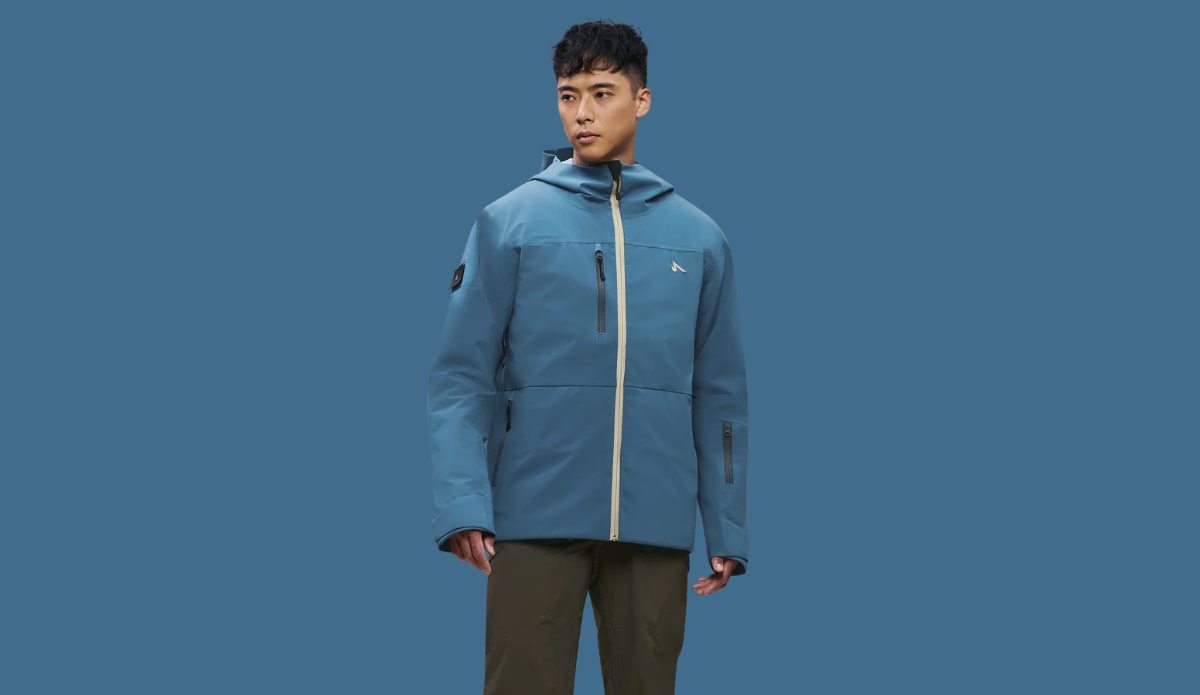
Photo: Nivis Gear
Nivis Protego Pro Shell
Nivis is a unique U.S.-based brand focused on high-quality outerwear. Style-wise, they make outerwear best described as “athletic fit” — a slim, fitted outline — without leaning into that tight and sometimes constricting territory of many European styles.
The Protego Pro Shell ($690) is the flagship piece for Nivis right now, and it’s made for those heavy storm days when you really need protection against the elements. Those days haven’t exactly been easy to come by this year, so it’s not like I’ve been able to put the shell through its paces as it was intended.
The total jacket weight is just 25 ounces — surprisingly lightweight for a piece made to serve heavy-duty conditions, but the brand employs a smart, stretchy 3L material to do so. When I read that last detail (three layers of stretchable fabric) before having the jacket in hand, I fully expected a heavier piece with a thick feel to it. The outer shell does feel almost like a thick raincoat or waterproof fisherman’s jacket to the touch, but I imagine that speaks more to its durability withstanding tree snags and spills, because movement in the jacket is anything but stiff.
Bonus points for making the most of the outline with an assortment of pockets every good jacket has. There’s a chest pocket inside, a phone pocket outside, two fleece-lined hand pockets, your standard pass sleeve/pocket, and two large interior drop pockets built into the liner rather than simply stitched onto the inside of the jacket’s midsection. This allowed them to design a shell that has large storage drop pockets and keep the removable powder skirt.
Overall, the Protego Pro Shell is serving as a great all-rounder. Reviews of Nivis shells in previous years have backed up durability claims, justifying the price tag for any snowboarder or skier planning to keep a piece for several seasons.
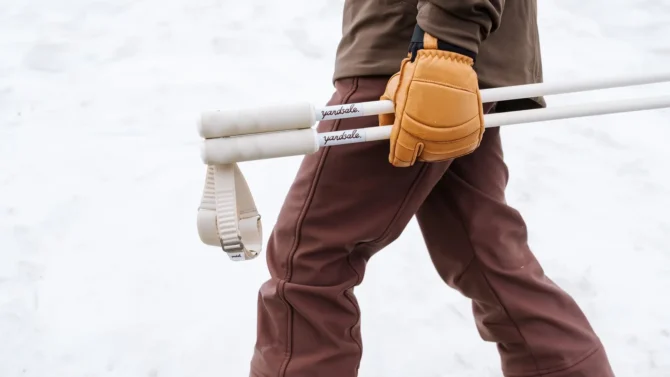
Yardsale poles magnetically snap together when not in use to help avoid, well, yardsales. Photo: Yardsale
Yard Sale Ski Poles
Ski poles are one of those ski essentials that haven’t seen much change in recent years. Helmets, skis, and especially ski boots have seen major changes, but ski poles, for the most part, have stayed the same. Well, Yardsale decided to change all of that with its colorful, modular, and magnetic ski poles, starting at $123 with a bunch of fun add-ons to upgrade the experience. The main feature is that the ski poles use magnets to stick together when not in use, making them a heckuva lot easier to carry from the parking lot to the lift. There is a wide variety of colors to choose from, which you can mix and match to suit your preferences, as well as options such as resort or powder baskets, even extended handles for backcountry use. Magnetic ski straps and GoPro mounts round out the current offerings, and I’m sure we’ll see more in seasons to come.
Best of all, you know how ski poles have always been easy to break, and sorta… disposable? Not so here. The ski pole shafts are guaranteed for life – if you ever bend or break them, just send Yardsale the story of how it happened, and they will replace them for free!
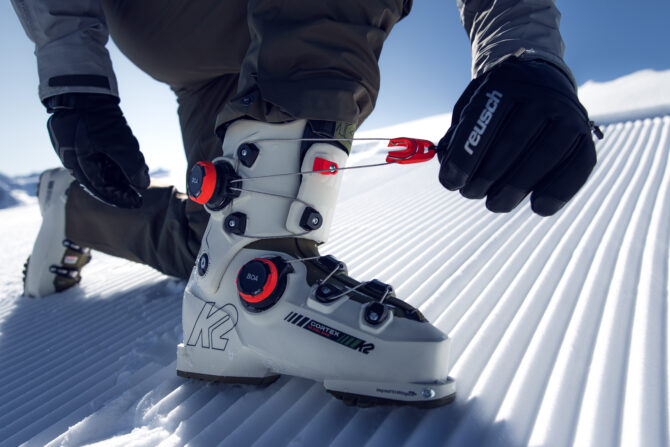
Dialing in the dual-BOA fit on the new K2 Cortex ski boots. Photo: Tom Klocker//BOA
BOA (Even Dual-BOA) Ski Boots
Is Boa the next big thing in ski boots, or is it just a gimmicky fad? Looks like it’s where the winds are heading, whether you like it or not. And to be honest, we’re here for it, having tested some BOA-equipped ski boots ourselves. We’ve found them to provide a much more even pressure on the foot compared to traditional buckles, and they’re no doubt a lot easier to adjust on the fly. This year even sees the first launch of dual-BOA ski boots, with the first BOA dial cranking down the foot as we’ve seen before, and a second one on the upper section of the boot.
A couple that we’ve tested: K2 Mindbender BOA – A great choice for all-around freeride with some sidecountry and backcountry mixed in. Salomon Shift Alpha BOA – a bit more streamlined and optimized for the uphill, but similarly burly and well-built for bell-to-bell downhill skiing. Overall, we’ve found the K2 line to be a better choice for those with high-volume feet, while the Salomons are a great call for those with narrower or lower-volume feet.
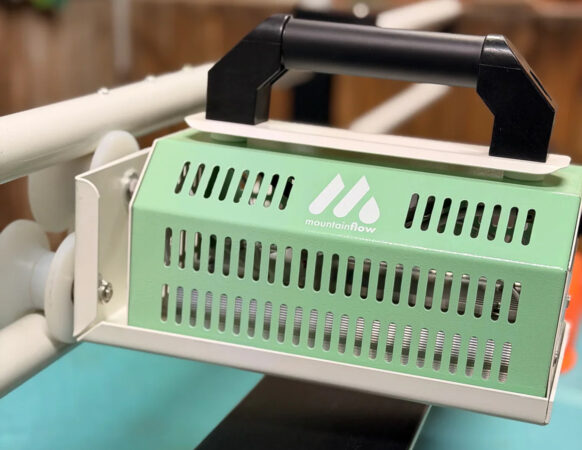
Photo: mountainflow
mountainflow Infrared(IR) Waxer
Hate the mess that comes with waxing your own skis? Or, tired of paying someone to do it for you? We have been singing the praises of mountainflow’s new Infrared Waxer from the top of the… mountain. But seriously, this thing makes waxing your skis a breeze, and it does away with all the scraped wax shavings and drips that end up getting all over your garage, gear, or shoes.
Even if you’ve never waxed your own setup, the IR waxer is super easy to use. To start, you simply rub a wax bar on your skis (we’ve been using mountainflow’s all-temp wax). If you’re struggling to get any to rub on the skis, you can lightly warm it up with the IR Waxer–plug that puppy in, and it’s warm instantly. Then, hold the waxer a couple of inches above your ski and slowly pass it over the whole ski. That rubbed on wax absorbs into your base, and then you just finish it off with a light brushing. No scraping. No mess. Just fresh skis ready for snow. It’s rare that a company comes out with something that so simply and effectively improves an annoying part of skiing, but mountainflow has sure done it with the IR Waxer.
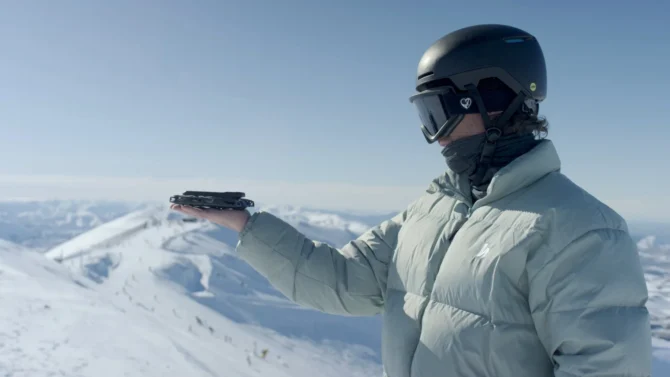
Photo: Hoverair
HOVERAir X1 Self-Flying Camera
This one definitely wasn’t on our 2026 ski bingo list, but we’re here for it. GoPro and 360 cameras are all over the mountain, but how about a drone that acts as your own personal videographer, following and filming you with a variety of preset modes to hover, circle, even follow or shoot Dolly cam footage right in front of you while you ski?
That’s the HOVERAir X1 line of drones, newly released this season to much fanfare. Small and light enough to fit in a pocket and clock in under the weight limit for FAA registration, there’s a lot that this drone can do, and not very much it can’t. We’re testing the HOVERAir X1 Pro Max right now, and are wildly impressed. We’ve been able to capture some incredible footage of ourselves, and with the Beacon and Joysticks, it can even be flown manually like a classic camera drone. If you are going to ski with it, we advise checking your ski resort’s policies before launching, or avoid the crowds altogether and head into the backcountry.
One thing it can’t do is go in the water – the HOVERAir Aqua, which will be released later this year, can and will do that. Stay tuned for full reviews on both of these new gadgets.
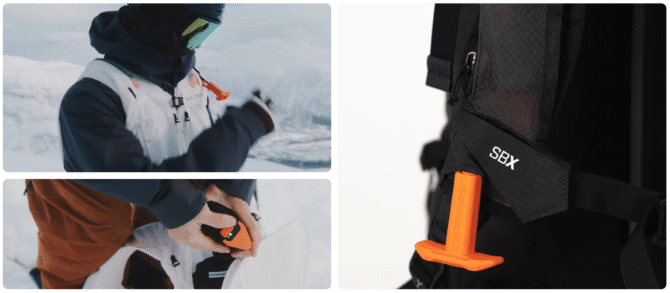
Photo: Safeback
Honorable Mentions
Safeback SBX
Not exactly new, but this is a piece of gear we’re super stoked on. The Safeback SBX is a piece of avalanche equipment that, when activated, increases your survival time when buried up to 90 minutes by pushing fresh air from the surrounding snowpack up to your breathing area. And it keeps racking up the certifications, being recognized this fall in the Journal of the American Medical Association by demonstrating it can increase survival time fivefold for someone buried in an avalanche. Paired with an offering like the Db Snow Pro Vest, this is a great peace-of-mind add-on for anyone entering avalanche terrain, and in the unlikely event you do need it, you sure will be glad you have it.
Breckenridge Distillery’s Mountain Shot
Put an asterisk next to this one as far as new “gear” is concerned, but the Colorado-based distillery’s taking a swing at replacing Fireball as the go-to ski/board après shooter of choice, and we thought that was at least worth a mention.
The mushroom-infused whiskey shooters come in portable pouches that fit easily in your gear bag or shell, which makes it easy to pull out once you get back to the lodge without spending $15 on that resort beer. There’s a hint of chocolate to it that’s surprisingly fitting at high elevation. And when Breckenridge set the new record for world’s longest shot ski on Main Street this winter they served up exactly 1,420 shots of this stuff to 1,420 people ready to party. That’s gotta count for something.
Editor’s Note: For more gear reviews and features on The Inertia, click here.

