

Late winter and early spring hiking is a magical experience, thanks to less people, plenty snow often covering the ground, and a cool nip in the air. Being prepared for the cold and wet is crucial to how much you enjoy the hike—if you’re cold the whole time, you won’t appreciate the beauty of the environment coming alive as we move into spring quite as much. Not to mention, the right gear will also keep you safe from frostbite or hypothermia.
Gear up for any hike that might include variable weather with these tips from retail pros. They share their tips for choosing the right fabrics, weather-proofing your boots and more.
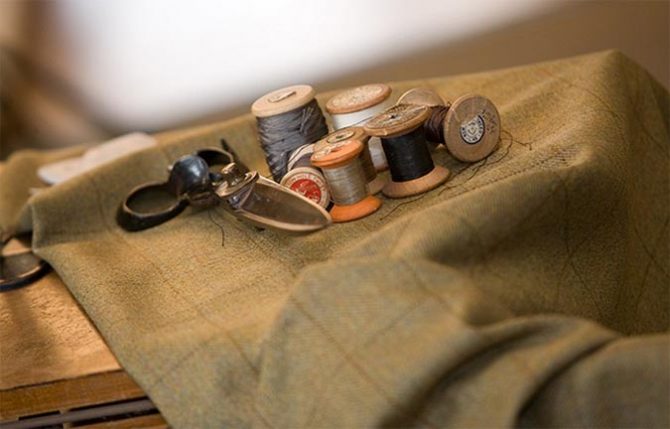
Stick With the Tried-and-True Fabrics
“There are a lot of newer ‘high tech’ materials and fabrics that are recommended for wet, wintery, or spring-like conditions, but we find that often it’s the tried and tested fabrics that work best. Tweed has been used for hundreds of years to keep people warm during the winter months and is still a popular choice with people who work in cold conditions. As a rough, tight-knit and flexible fabric, tweed provides the perfect balance between warmth and practicality. Plus it’s very stylish!”
– Max Robinson, A Hume Country Clothing
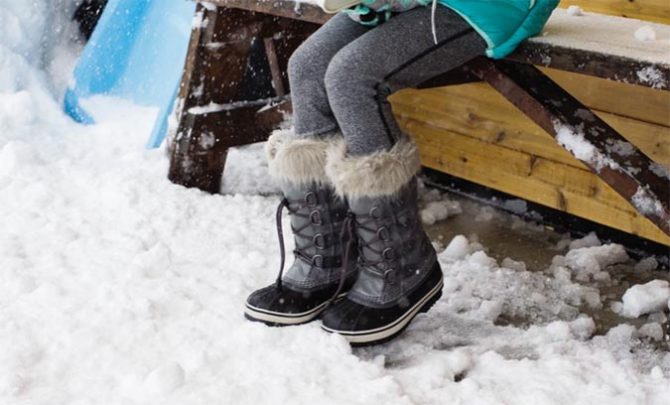
Check the Outsole of Your Boots
“The all-important outsole is critical for trekking through snowy, muddy and rainy terrain. Traditionally, boots come with rubber outsoles, and for good reason: Rubber is naturally waterproof and slip-resistant.
When shopping for boots, always refer to the thickness of the outsole. Many boots come with spikes or lugs for walking over technical terrain. Many are designed to be slip-resistant and come with specialized tread patterns.”
– Experts at Dick’s Sporting Goods
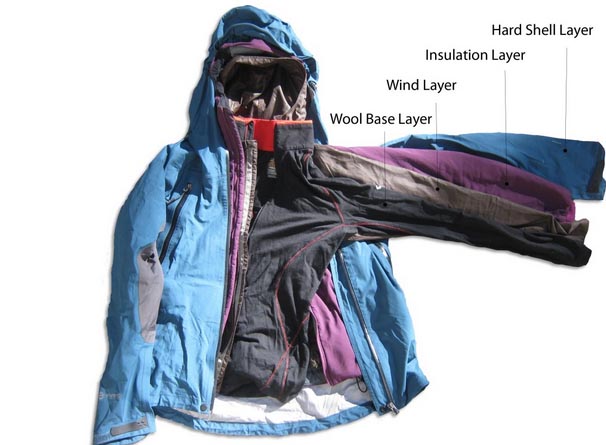
Photo: Outdoor Gear Lab
Have Layers For All Weather Conditions
“Always dress in layers when hiking in the winter or early spring, and choose a baselayer that has insulating and moisture-wicking properties to help regulate body temperature. Though both merino wool and polyester baselayers will wick away moisture from your skin and keep you dry, once merino wets out, it takes a long time to dry. And, of course, avoid cotton.
Down fill midlayers provide the most warmth for a winter excursion, but they won’t insulate well if they get wet. If rain is in the forecast, hikers may want to opt for synthetic fill midlayers. They are recommended for wet conditions and are more affordable than down options.”
– Ethan Garceau, Outdoor Gear Exchange
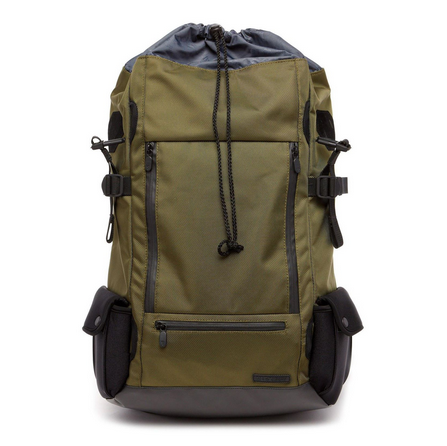
Invest in a Ballistic Nylon Backpack
“When choosing gear for a wintery or spring-like hike, it is important to gear up with something that’s tough on the elements, spacious enough to carry your essentials (food, survival gear, etc.), and ergonomic. A fabric that fits the bill is a ballistic nylon. Fun fact: bulletproof vests in World War I were constructed of ballistic nylon. This fabric is extremely versatile, water resistant, and won’t rip.”
em>- Karran Gupta, LiveWell360
Choose Boots Protected With DWR (Or DIY)
“Test to see if your new boots have a DWR (durable water repellent) finish on the upper. If your boots have this finish, water will bead up and roll off the surface of the upper. If water doesn’t bead up, it’s a good idea to treat your boots with a DWR spray before wearing them out in the snow.
Also, consider replenishing the DWR finish on your snow boots every autumn to keep them protected during the winter. Even boots with a waterproof breathable membrane should also have a DWR finish to prevent moisture from saturating the exterior fabric or leather. This will keep your waterproof footwear feeling lighter and much more breathable.”
– Experts at Sierra Trading Post
Be Able to Connect Jacket and Pants
“A jacket-to-pant connect system keeps out snow and cold, especially on those heavy, random powder days we get in the spring across the country. As well as sealing out wetness, a connect system will prevent the snowskirt on your jacket from riding up. This is a great feature for snowboarding or skiing.”
– Experts at EMS

