On February 27 at the Surfrider Foundation, we launched our #EveryDropCounts campaign, calling on the public — i.e. YOU — to pledge to conserve water by forgoing a shower this World Water Day, March 22. Throughout March, our non-profit organization, dedicated to the protection of the world’s ocean, waves, and beaches, aims to raise awareness on the issues affecting water supply and for water quality protection.
“Our everyday water use at our homes ultimately impacts the ocean waters we swim, surf and play in,” says our Chief Executive Officer Dr. Chad Nelsen. “Following a drop of water from its origin, through its use, and then its disposal into our oceans, reveals an expensive, wasteful and often dirty journey.”
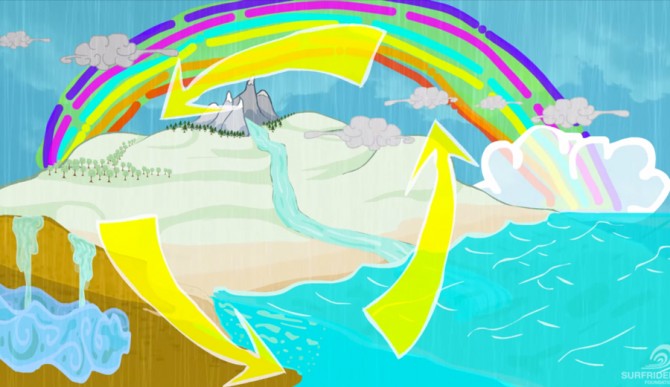
In school, we learned our water comes from the mountains and rivers, but that’s not the whole story. Watch this short, animated film, “The Cycle of Insanity: The Real Story of Water,” created by Surfrider staff and creative volunteers.
Clean water is a resource most of us take for granted when we turn on the tap. Unfortunately, we have developed daily habits that waste and pollute this valuable resource. As a nation experiencing longer periods of drought and extreme weather events, we must only use what we need and keep an eye out for leaks and water wasters.
By making simple changes to our daily water habits — reducing, reusing and recycling water — all of us can play a role in maintaining safe and reliable water sources, while restoring and protecting our coasts and ocean.
Pledge today to make every drop count from this point forward, and skip your shower with us on World Water Day.
A ten-minute shower could waste more than 40 gallons of water. If 25,000 people take the pledge to reduce the amount of water they use each day and skip their shower on World Water Day, nearly one million gallons of water will be saved. On wwd.surfrider.org, we are tallying every pledge to show the total amount of water to be conserved on World Water Day.
Besides shorter showers, there are several things you can do inside and outside of your home to save water.
Water Saving Tips Inside Your House:
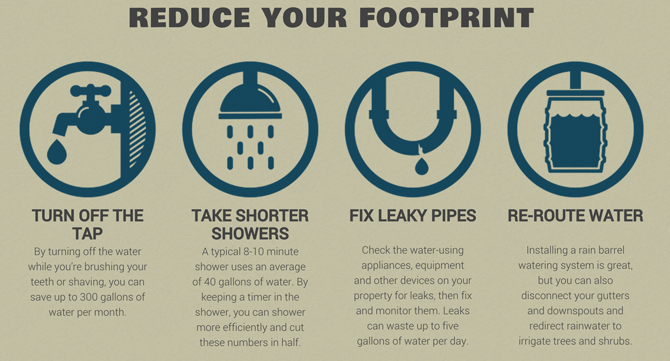
Fix the leaks.
Check the water-using appliances, equipment, and other devices on your property for leaks, then fix and monitor them. Leaks can waste up to five gallons of water a day. Be sure to check your water meter too. To do so, turn off all faucets and water-consuming appliances. Then look at the needle’s position on the dial of the meter and note the time. After 20 minutes, if the needle’s position changed, you may have a leak.
Turn off the tap.
By turning off the water while you’re brushing your teeth or shaving can save you up to 300 gallons of water a month.
Take shorter showers.
A ten-minute shower could waste more than 40 gallons of water. Using a kitchen timer or stopwatch is an easy way to keep track.
Avoid flushing waste.
Put tissues, insects and other waste in the trash rather than the toilet. Wastewater agencies recommend that only the “three Ps” (pee, poop and paper) should go in the toilet.
Cool drinking water in a pitcher.
Instead of running the tap until water is cool enough to drink, fill a pitcher and keep it in the refrigerator.
Put a brick in your tank.
If you have a traditional non-low flow toilet, put one or two bricks in your tank. This will help displace some of the volume and reduce the amount of water used during each flush.
Adjust laundry settings.
Washers are the second largest water user in a home. To save water with your current machine, wait to do laundry until you have a full load. If you must wash a smaller load, be sure to adjust its water settings. By avoiding the use of the Permanent Press cycle, you’ll save five gallons of water every time.
Use the broom and trash.
Hosing off a driveway and sidewalk wastes water and contributes to declines in downstream water quality. Use a broom and dustpan and then put it in the trash.
Outside Water Saving Tips in your Yard:
Plant drought-resistant lawns, shrubs and plants.
Drought-resistant landscaping is best for conserving water. Let your lawn go dormant in winter. Then you only have to water every three to four weeks, less if it rains (or snows). When mowing the grass, raise your lawn mower to 1.5 to 2.0 inches. Tall grass shades roots and holds more moisture than short grass.
Re-route rainwater.
A rain barrel watering system is awesome, but you can also disconnect your gutters and downspouts and redirect the rainwater to irrigate trees and shrubs. This saves water and reduces runoff.
Discard remaining water in your plants.
Whether you’re giving your pets fresh water, waiting for the shower water to heat up or washing your fruit and veggies, collect the runoff and use it again—like in your plants.
Water wisely.
Watering your plants only when necessary and in the morning or evening reduces loss to evaporation, especially during warm days.
Get involved with Surfrider’s clean water programs.
Blue Water Task Force (BWTF) is our volunteer-run, water testing, education and advocacy program. Surfrider chapters use this program to alert citizens and officials in their communities about water quality programs and to work toward solutions.
Ocean Friendly Gardens is our program that applies conservation, permeability and retention (CPR) to revive watersheds and oceans. Urban runoff from gardens and hard surfaces is the number one source of ocean pollution. By planting an ocean friendly garden, you can prevent runoff and flooding, and still have a beautiful, resourceful, and wildlife-friendly property. Already planted an Ocean Friendly Garden? Awesome! Share it on our interactive Ocean Friendly Gardens map.