
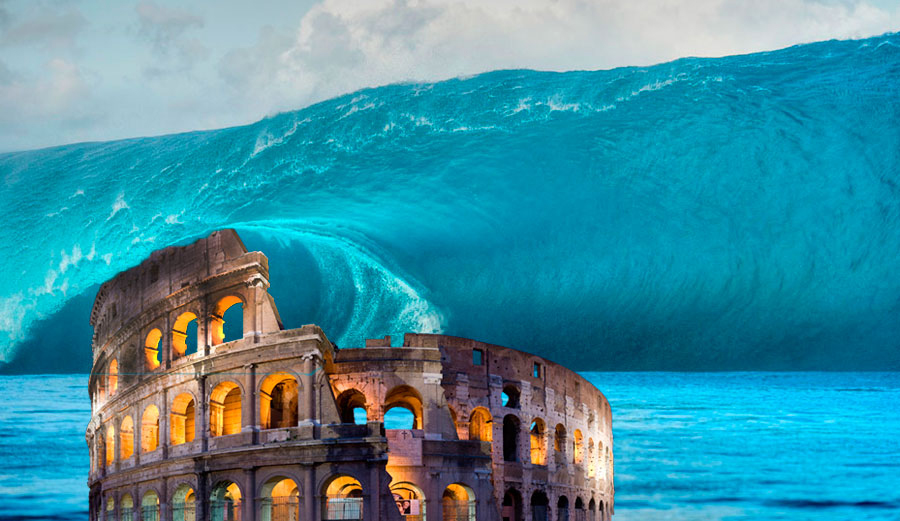
Are the Olympics just an institution looking to ride our wave of popularity? Or is surfing just less popular than we think?
I’ve really, really grown to hate the “debate” about surfing becoming an Olympic sport in 2020. And by “debate” I mean platform for bashing the Olympic games, bashing competitive surfing and displaying one’s own melodramatic interpretation of what surfing should be. Whether you scan through this site, the comments sections of various surf publications, or just read a few Facebook posts, you’re unlikely to find anybody with positive sentiments on the possibility of surfing’s inclusion in the 2020 Tokyo Games.
Many of these anti-surfing anti-Olympic arguments are built around one or all of the following thoughts:
-This is a ploy by Olympic organizers to cash in on surfing’s cool factor and suck what they can out of its popularity, making the sacred art form a commercialized, washed down version of itself.
-Said popularity boom will inevitably flood my lineups, making surfing an insufferable activity from here on out, never to be enjoyed again.
-Surfing is an art form and could never truly be judged in an Olympic format.
-And until recently, there were those who simply said it wouldn’t be real because we’d be watching surfers go head to head in wave pools. But now we can officially throw that argument out with the rest of this trash.
Newsflash: not every decision man makes is driven by some Marxist conflict theory approach to buying and selling in the pursuit of fulfilling an old rich fat guy’s childhood dream to swan dive into a pool of gold.

Uncle Scrooge was in fact a surf industry tycoon who found a way to monetize soul.
The problem with these gripes is they’re either completely hypocritical BS or they’re just flat out wrong. Between the 2000 Sydney Games and the 2008 Beijing Games, the global broadcast audience grew from 3.6 billion to 4.7 billion people – or 70% of the entire planet, according to Nielsen. In comparison to those numbers, when Mick Fanning’s famed showdown with a shark at J-Bay “broke the internet” this summer, Google Trends reported 250 thousand tweets had been sent out about the event in the two days following the shortened contest. That means at the height of surfing’s popularity, the point in which it was most visible and talked about on a global scale, only one quarter of a million people could be bothered to chime in. The news itself obviously reached a much bigger number than that, but if we’re comparing global engagement between that and the Olympics it’s no contest.
As for surfing’s broadcast pull, the online streaming efforts of the WSL are definitely growing the sport’s reach. It’s estimated that around 6.2 million people tuned in to webcasts of last year’s Pipe Masters, another fraction of global Olympics coverage. Good numbers, but still just a blip on the radar.
“It’s one of those things where there’s a lot of fans out there,” Matt McLernon, a spokesman for YouTube told the New York Times. “But they’re not necessarily combined enough into a media market where it makes sense to put this sporting event on TV.” The Olympics are far from needing to add a fringe sport like surfing to its roster for a shot in the arm of visibility. We all know surfing isn’t the most broadcast friendly sport. And if the IOC was desperate to get more eyeballs on television screens there’s little reason to think surfing would be their savior of choice. Surfing isn’t that popular in the grand scheme of things. Yes, it looks amazing and invigorating and sexy to somebody that’s never taken part. But let’s face the fact that no IOC fat cat is deviously twirling his mustache while he thinks of all the poor surfing souls he’s about to exploit.
But now let’s get to the argument of surfing’s soulfulness and artistic nature in contrast to the rigidity of Olympic judging criteria. This is the one that actually bothers me. For the record, I’m of the belief that we’re way past the days of surfing being some kind of anti establishment movement. I really just chalk this one up to a bunch of snobbish, too cool for school surfers afraid of losing their mojo. We’re no longer some subculture of outcast beach bums, but the longer some people hang on to that image the longer they feel like they’re a part of an elite club of cool kids. And the second surfing gets “too mainstream” those same people that hold on to surfing as their entire identity turn their noses in the air and proclaim “you could never understand us.”
Never mind the fact that you’ll flock to see the top 34 anytime the WSL makes a stop within driving distance of your home. No, surfing’s not too much of an art form for us to drool over Kelly, it didn’t stop us from loving Andy’s competitive fire, and it sure doesn’t keep us off the beaches when the world’s best face off in contest jerseys. Part of the allure of competition is the urgency it gives to any display, and the beauty of surfing in and out of competition is that one doesn’t take away from the other. We have moments like Surfing’s Greatest High Five, we have the prestige of The Eddie, hell we even have an awards ceremony dedicated to celebrating those pushing the limits of the sport altogether – all in one judged format or another (And if you have a single bad word to say about The Eddie you just suck). If anything, we can appreciate surfing more because its fluidity allows the sport/ritual/art/activity/endeavor to be appreciated in just about any form it’s displayed. Sure, more people are in the lineup than 50 years ago as a byproduct but odds are you’re one of those people yourself. “You flew here I grew here”, loc-dog, crusty die hard or not – you most likely are surfing today because your grandparents, parents, older sibling, or friend jumped on the bandwagon and brought you along for the ride.
But hey, you’re all surfers and you know these things already. Contests are great, so long as they don’t make surfing so popular it suddenly becomes uncool. Are we talking about an art? Sure. Are we talking about a sport? Absolutely. And heck, even the Olympics had art competitions back in the day. Gymnasts and divers all compete in events that have no tangible measurement. As far as the landlocked and less fortunate are concerned, surfing will fit right in with those other marginal sports that only matter for three weeks of every four years. Then we can all go back to enjoying it for ourselves. So why all the desperate attempts to define a community by claiming it can’t be defined? It’s starting to make surfers sound more and more like pretentious hipsters each day.

