

There’s a lot to be done out of the water — before, after, and in between sessions — to significantly improve your surfing. Photo: Maxx Buchanan

Surfers take a lot of pounding that, by the end of the day, leaves them with tight, sore muscles. Tense muscles can have a domino effect, spreading through the entire body and affecting nerves, muscles and bones. Regular massage addresses this problem by easing muscles and enabling the body to maintain a healthy posture and balance.
Sports massage has been shown to improve athletic performance up to 20 percent by increasing circulation, decreasing anxiety, honing concentration, maintaining flexibility, and improving healing time, according to Coastal Sports Massage. Regular massage therapy helps to stimulate the nervous system, invigorate muscles and boost energy.
A growing number of surfers recognize the physiological and psychological benefits they experience from massage, and many depend on it for that competitive edge. Various massage techniques enhance the body’s own recovery process, improving a return to high-level performance and reducing the risk of some of the common surfer injuries, such as whiplash, sciatic nerve pain, thoracic outlet syndrome, low back pain and “noodle arms.”
Types of Massage for Surfers
Swedish Relaxation Massage
Swedish massage uses a number of techniques designed to relax muscles by applying pressure to them against deeper muscles and bones. This increases the oxygen flow in blood and release toxins from muscles. Swedish massage shortens recovery time from muscular strain by flushing the tissues of lactic and uric acid, and other metabolic wastes. It also stretches the ligaments and tendons, keeping them supple and pliable.
Structural Deep Tissue Massage
Structural massage uses deep tissue massage techniques to access the deeper tissues of the body and the myofascial connective tissues to ease restrictions and enhance mobility and range of motion. Structural massage is particularly effective in relieving pain from repetitive stress and overuse injuries.
NeuroMassage Therapy
NeuroMassage uses massage techniques to relax the nervous system by making changes in the state of neural networks (pain thresholds, muscular tension levels, organ function and emotional state). This technique activates the electrical energy of the nervous system with gentle motions, combined with complete relaxation.
The Professional Surfer’s Massage Regimen
On top of regular massage, a number of professionals integrate massage into their event schedule.
Pre-event
Massage received within one hour before an event helps prepare surfers by stimulating the sympathetic nervous system, which optimizes their performance. It invigorates muscles, enhances energy flow and improves flexibility – all of which can reduce risk of injury.
During the Event
Short, targeted massages received between sessions helps surfers to recover quickly and get ready for the next session by focusing on areas of stress generated in the last session.
Post-event
Massage that focuses on soothing tired muscles and flushing lactic acid build-up helps surfers return to competition in optimal shape.
Self-Massage for Weekend Warriors
A little self-massage can go a long way for surfing enthusiasts. To get started, you can find a number of massage products online that will help you work your own muscles.
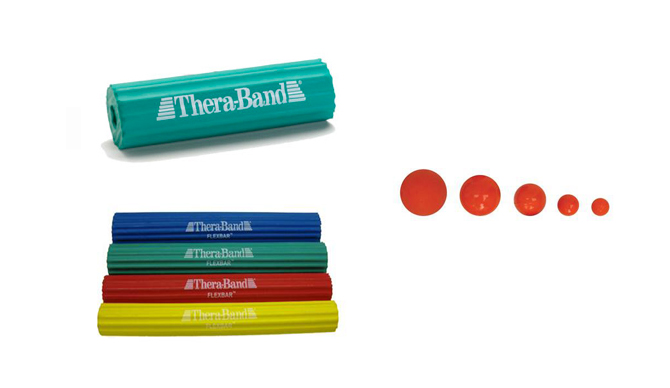
Yes, these products will help your surf better. Clockwise, starting top left: foot roller; Flexbar; Myofascial ball. Photo: Massage Warehouse
Shoulders
It’s especially important for surfers to focus on their shoulders. By rolling a Thera-Band Flexbar or foam roller across the anterior torso tissue, chest muscles, anterior deltoid and biceps – and anywhere you feel tightness – you can loosen those muscles up.
Knees
With aching knees, roll a tennis ball or Soma System Myofascial ball along the bottom of your feet, calves, and the quad muscles surrounding the knee. You can also roll a Thera-Band massage roller along the quads, calf, hamstrings and glutes.
Feet
Healthy feet and ankles are critical for surfers. If either is out of alignment, it affects the entire body. While standing or sitting, roll your feet over a Myofascial Ball or a Thera-Band foot roller. Feels great and keeps your feet healthy.
Whether you’re a pro or just bought your first “sled,” massage can help you get into shape faster, perform better, prevent injuries, and recover more quickly with less soreness and stiffness.
To learn more and find specific products for yourself, visit MassageWarehouse.com.

