
Generally when we surfers think about the fall season in Southern California, we picture lots of sunshine, peaky combo swells, warm days at the beach and some occasionally freaky Santa Ana winds. This year, something was broken. We got the sunshine, the epic beach conditions and even the Santa Ana winds tore through the region on a number of occasions, but the waves were noticeably and painfully absent.
As a surf forecaster, when the waves disappear, I start to get a lot of questions. The last several weeks (almost the whole fall season, at this point) there has been a common theme: “Fall is supposed to be epic. Where the (insert favorite expletive here) are the waves?”
This November certainly hasn’t helped the growing restlessness in the surf community. Over the last few weeks, we have had to push through a mix of very small combo swells and funky morning high tides that have kept Southern California’s surf relatively weak and soft, especially if you happened to live closer to beaches with less exposure to the incoming swells.
The North Pacific storm track and the flashy swell models haven’t helped to alleviate the frustration that a lot of us have been feeling. Instead, it has been teasing us by throwing up some large red/purple blobs on the swell models but then pushing them in seemingly unnatural directions.
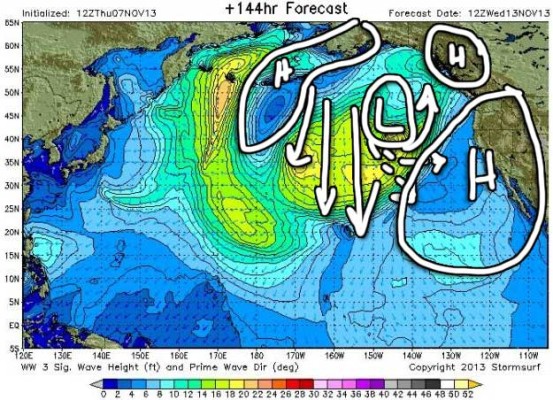
In fact some of the other fall/winter standout areas have been going off. For example, the North Shores of the Hawaiian Islands got blasted by one of the biggest north swells they have had in years. So the storm activity is out there, but it just hasn’t managed to line up with Southern California. From a forecasting perspective, I am starting to feel like a dog chasing a laser pointer. The damn dot is right there but I just can’t quite catch the stupid thing.
Seeing the islands get completely lit up by the north swell, right at the beginning of the Triple Crown no less, prompted another round of frustrated questions and I was gearing up to answer them piecemeal when this gem of a question came through.
Alex, who commented on the Solspot.com website, asked: So just as we had possibly the worst August for surf, we’re now looking at one of the weakest Novembers we can remember. What happened? I thought this was supposed to be the month to get excited about surfing again?
Alex connected a few big but very spread out dots with that question. He was definitely right. We have seen sub-par swell/storm activity for most of this fall. We started seeing the gradual shift from consistent waves to small swell events start to occur in August, which unfortunately cascaded further into the rest of the season.
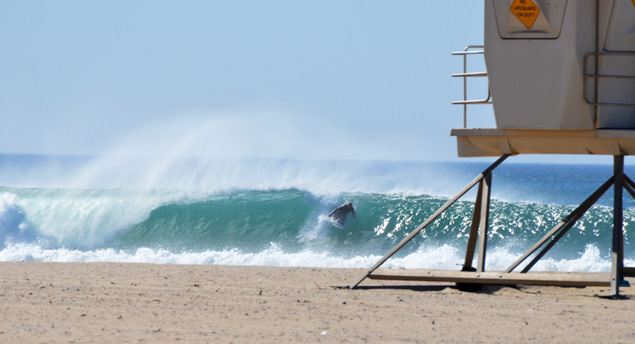
Granted the surf hasn’t been totally flat the last few months. We have had some good, and even very good, bursts of swell–particularly through parts of September and October. Unfortunately, those didn’t string together in any sort of significant way so we ended up spazzing out when the surf did show and then sitting around for a week or two once it faded out.
So what are the biggest missing pieces to the fall puzzle? Why did this season go from epic to blah?
Missing Piece #1: Lack of support from the North Pacific
The North Pacific failed to produce. Simple as that. Very few storms formed inside our swell window sticking most over the International Dateline in the Western North Pacific or straddling the higher latitudes on their way into Alaska and Canada, which left them either too far away or moving in the wrong direction to push significant swell our way. This hurt areas like Santa Barbara, Ventura and San Diego, which rely on that new W-NW energy to generate much of their fall surf, even worse than the combo regions.
For the NPAC, the biggest issue was the location and strength of the semi-permanent ridges of high pressure. These high pressures are sort of a double-edged sword. We need them to stick around the region since they will set up the good weather and Santa Ana winds that can make fall a magical season. However, if they get out of control, which happens when they don’t have at least some NPAC storm activity chipping away at them, then they can dominate the storm track, shutting it down completely.

