
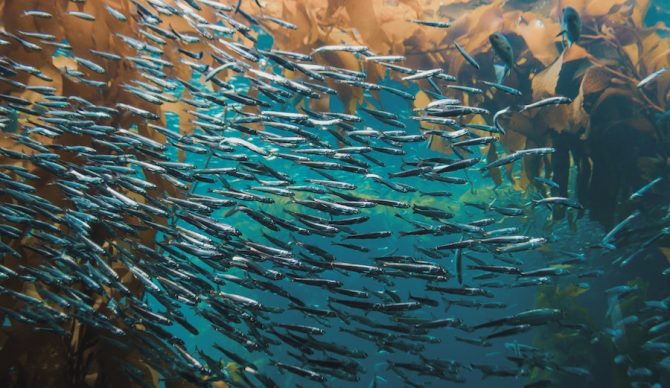
The study found that local extinctions were twice as likely in the ocean as on land. Photo: Zhan Zhang/Unsplash

The world can be a depressing place. Every time you turn on the radio or browse the Interwebs, it’s a barrage of cynicism. War. Famine. Global Warming. The Kardashians. Basically, humanity is screwed and we’re all gonna die painful deaths. But every so often, a glimmer of positivity creeps through the doom and gloom, like dog montages from America’s Funniest Home Videos, or the record-breaking efforts of 2015 to protect our oceans.
Turns out, the largest amount of marine protection reserves were created in 2015 than ever before. Over 1 million square miles of ocean have been globally recognized as protected areas, reports The Pew Charitable Trusts. That’s an area larger than Texas and Alaska combined. It’s bigger than the protected square mileage of the total U.S. National Parks and wildlife reserves. And it’s about half the size of Russia.
The newly named ocean reserves for 2015 include: Nazca-Desventuradas Marine Park (Chile; 115,000 sq mi), Palau National Marine Sanctuary (193,000 sq mi), Kermadec Ocean Sanctuary (New Zealand; 239,000 sq mi), and Pitcairn Islands Marine Reserve (UK overseas territory; 322,000 sq mi).
And so what exactly does it mean when these vast swaths of seawater become “protected?” A Marine Protected Area (MPA) is basically an umbrella term that varies for each specific location. For instance the Nazca-Desventuradas Park protects rare species that only occur there, like the frogfish and decorator crabs. And in Palau, the newest member of the marine protection family, fishing is being highly limited.
But in spite of these huge efforts to protect our waters and the marine life, the ocean is still suffering. Studies have been popping up lately which show a devastating reality for the sea. We’re down to half the amount of fish since 1970. Coral reef is dying from global warming. Even sunscreen is killing the coral. And it turns out only two percent of the world’s oceans are protected, reports National Geographic.
So before we go patting ourselves on the back, blowing ourselves for our record-breaking environmental progress, we should take a step back. Maybe we are still screwed…just watch videos of dogs or people falling down to forget about it as we await the environmental apocalypse.

