
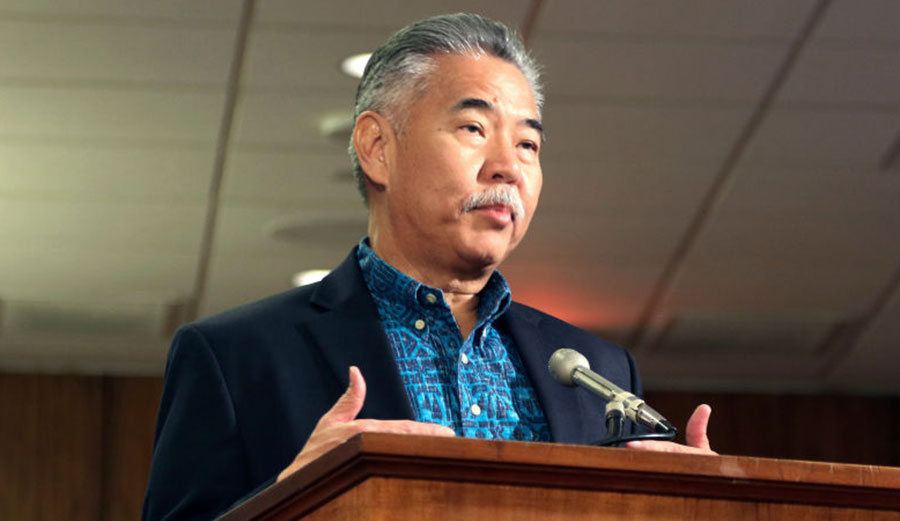
Now if only some other governmental figure would forget their Twitter password. Image: AP
Remember that time everyone in Hawaii enjoyed forty minutes of sheer, mindless terror? They thought, for good reason, that their lives were about to end. Well, it turns out it was forty minutes because the Governor forgot his Twitter password.
You know the story by now, but here’s a quick recap: At 8:07 on the morning of January 13th, residents of Hawaii received a terrifying text message.“Ballistic missile threat inbound to Hawaii,” it read. “Seek immediate shelter. This is not a drill.” That is not the best way to start your day. It is, in fact, probably the worst way to start your day.
As is to be expected when faced with imminent death, people scrambled to do… anything. What can one possibly do? “If we’d actually had to stay inside that container for two weeks surviving nuclear fallout,” wrote Kyveli Diener, “we would not have been okay. We were not ready. No one was.”
After those forty minutes were up and a follow-up message was sent confirming that no one was going to die by ballistic missile, residents were understandably angry. “‘I am relieved….but I am very angry,'” the father from next door said of the false alert to Diener. “The details of how such a blunder could happen are still being investigated.”
Well, as it turned out, the false alert was sent out by an employee who happened to click on the wrong alert on the computer. If the authorities managed to clear the air in, say, ten seconds, perhaps people would have had a good laugh. “Ha ha!” they may have laughed. “What a grievous yet harmless blunder!”
Instead, however, they spent forty minutes crying, calling loved ones, and crying more. And you know why? Because Governor Ige forgot his Twitter password! According to CNN, Ige knew in just over a minute that it was a false alarm. “I have to confess that I don’t know my Twitter account login and passwords,” Ige told reporters Monday. “I will be putting that on my phone.”
Ige did, at least, make a few phone calls to try and get the word out. “The focus really was on trying to get as many people informed about the fact that it was a false alert,” he told theHonolulu Star-Advertiser.
But making a few phone calls didn’t allay the fears of over a million people, and man oh man, remember that Twitter password sure would have been sweet.

