

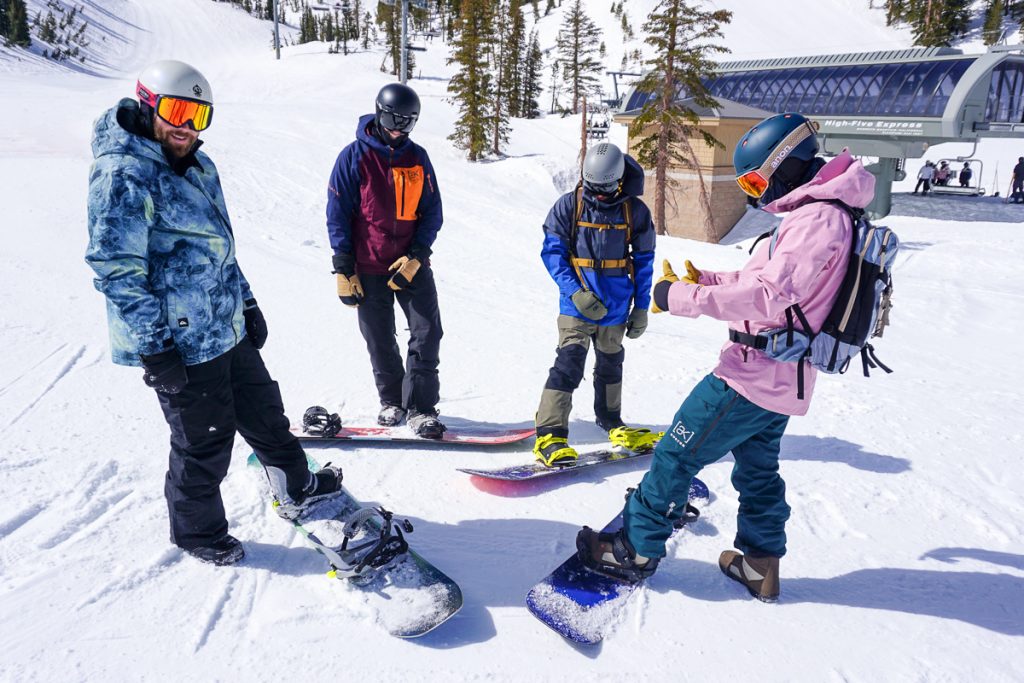
We tested dozens of snowboard bindings to bring you the best this season. Photo: Will Sileo//The Inertia

Snowboard bindings are your bridge between the body and the board. And just like bridges, one that isn’t well built or suited for the ride will not do its job very well. Not just a good pair of bindings, but the right pair of bindings is critical for every rider. At The Inertia’s 2025-26 Snowboard Test at Mammoth Mountain, we also tested a ton of snowboard bindings and have culminated that test with the following list. The best snowboard bindings for you will depend on your style, but don’t worry, we’ve got a wide range of choices, ranging from stiff freeride bindings to flexy freestyle options. Check out our favorite snowboard bindings of 2026!
Editor’s Note: We updated this guide in October 2025 with a handful of new top picks, including a new best overall, the Jones Mercury FASE. We also removed old models, improved navigation and formatting, and refreshed links.
Navigate To: Comparison Table | How We Tested | Buyer’s Guide
Related: Best Snowboards | Best Snowboard Boots | More Snowboard Gear
The Best Snowboard Bindings of 2026
Best Overall Snowboard Bindings: Jones Mercury FASE
Best Value Snowboard Bindings: Season Meld
Runner-Up Best Snowboard Bindings: Ride Drone
Best All-Mountain Bindings: Union Force
Best Freestyle Bindings: Bataleon Blaster AW FASE
Best Splitboard Bindings: Spark R&D Surge ST
Best Women’s Snowboard Bindings: Nitro Ivy
Our Favorite Step On Binding: Burton Step On X Re: Flex
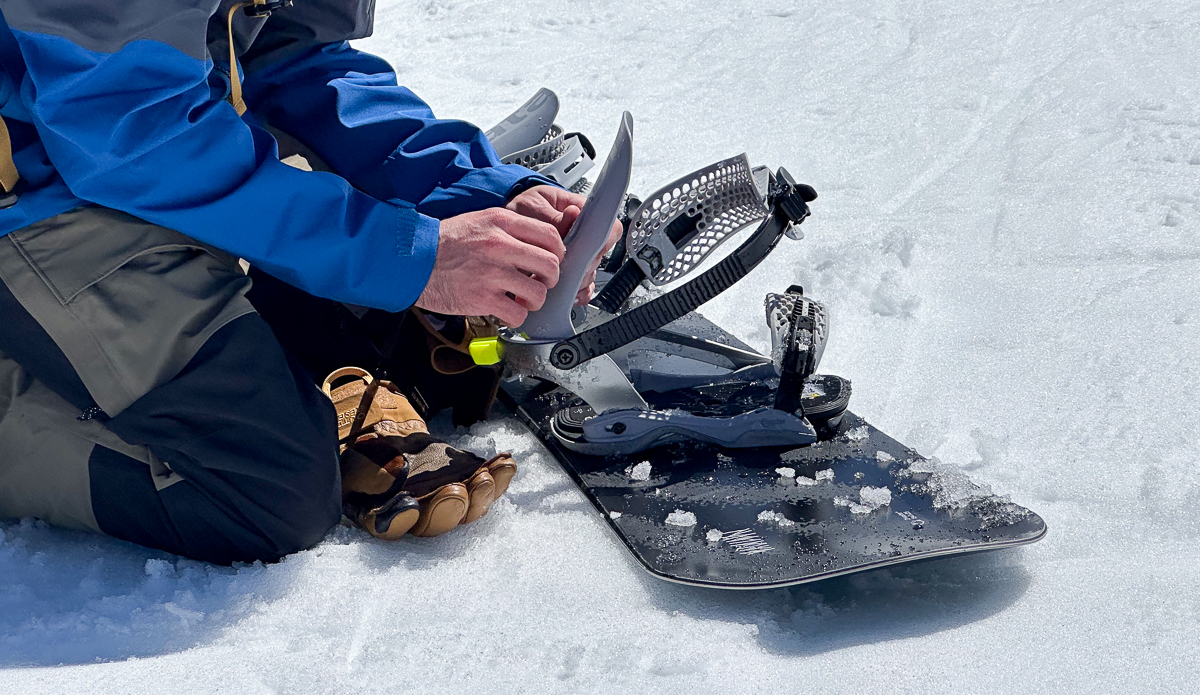
Easily adjustable bindings make a huge difference on the slopes. Photo: Will Sileo//The Inertia
Best Overall Snowboard Bindings
Jones Mercury FASE ($390)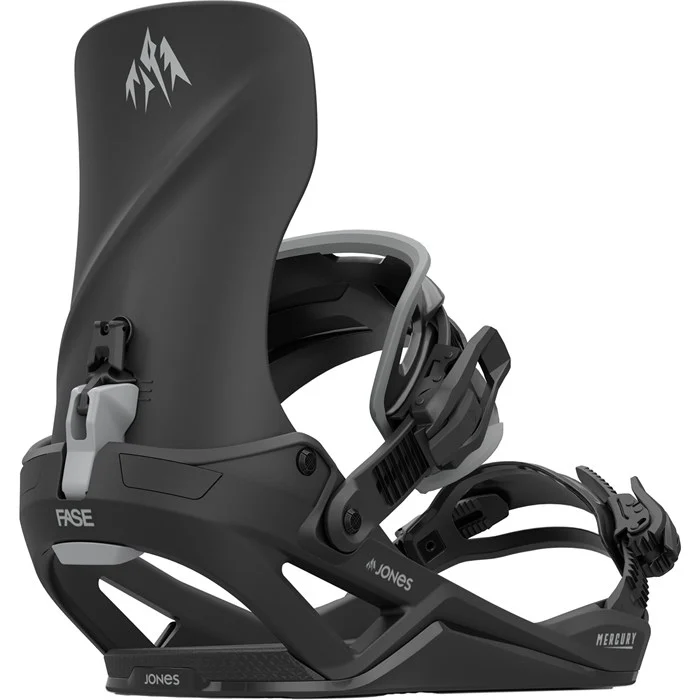
Best For: Serious chargers who want the familiarity of a two-strap binding with enhanced ease of entry
Weight: 900g
Underfoot: Fusion XR Baseplate, ImpactCush Pad
Highback Stiffness: 4/5
Strap adjustment: Tool-less
Pros: Dialed-in performance in highback and base, solid two-strap system, ease of FASE
Cons: Stiff for cruisy or beginner riders, limited sizing
The new Jones Mercury FASE has fast become our team’s go-to binding, and indeed, it won our pick for best overall snowboard binding this year. While we’re stoked on the new FASE fast entry system in general, it was the Mercury’s overall performance on a variety of terrain—from bare ice to fluffy powder—that ultimately won our team over. Make no mistake, this is on the stiffer side of the bindings we tested, and the molded ridge through the highback lends noticeable torsional rigidity when turning the board over. That responsiveness grew addictive to the team, and we pushed aggressive lines and had a ton of fun with this setup.
We’ll be highlighting the various quick entry bindings in an upcoming guide this winter, but briefly, the FASE system combines some elements of a step-in/step-on binding with some elements of a traditional two-strap binding. The highback leans back and engages by sliding your foot in, the ankle strap stays attached (but opens wide on a long slide), and the toe strap stays locked in place. This allows you to step in, ratchet the ankle strap, and be on your way; at the end of a run, simply undo the ankle strap and step out. Like any new technology, we tested with the spirit of a skeptic, but early returns are super positive.
But who cares about the FASE if the Mercury is in retrograde! Fear not: This binding from Jones is top shelf. The Fusion XR Baseplate and AsymFlex highback work together to create a responsive attachment to your board. The bindings are stiff, but not so much that you can’t feel the characteristics of the board or snow beneath you. We slashed powder with poise, but also initiated sketchy turns on hardpack. While it’s not our recommendation for beginner riders, if you are a committed intermediate or above, the Jones Mercury FASE is our top pick binding.
Read our full review of the Jones Mercury FASE here.
Check Price on Backcountry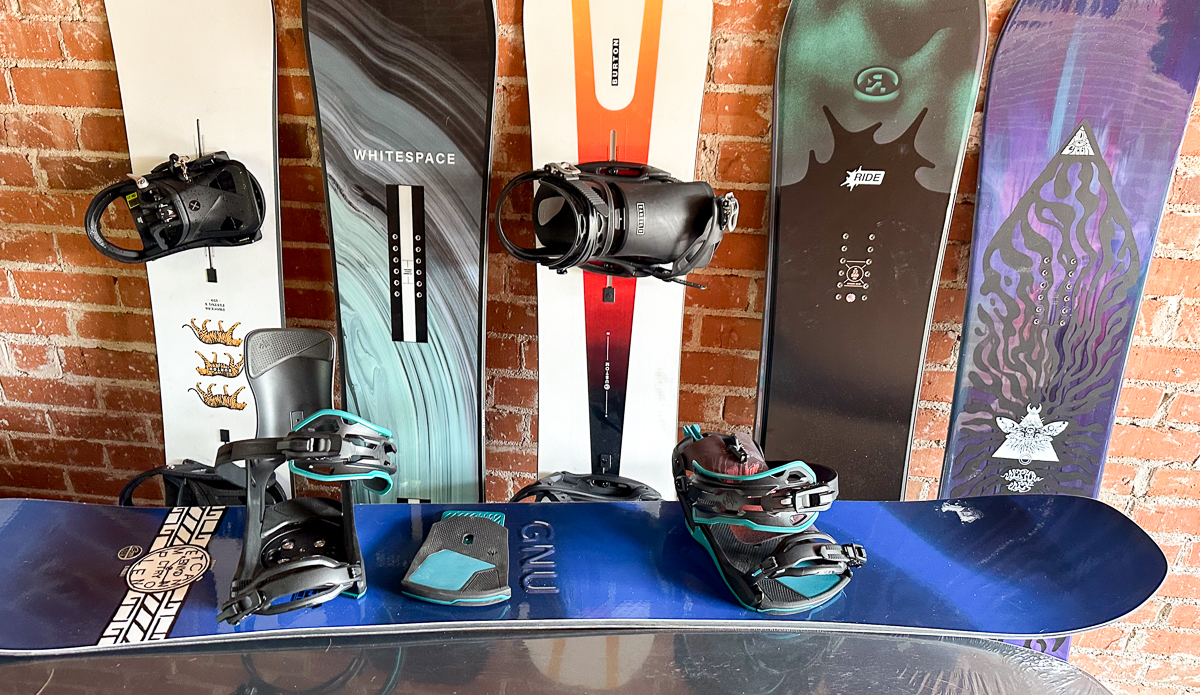
Nothing like pre-season setup to get us JONESin’ for another ride on the Mercury FASE. Photo: Nathan Lemin//The Inertia
Best Value Snowboard Bindings
Season Meld ($260)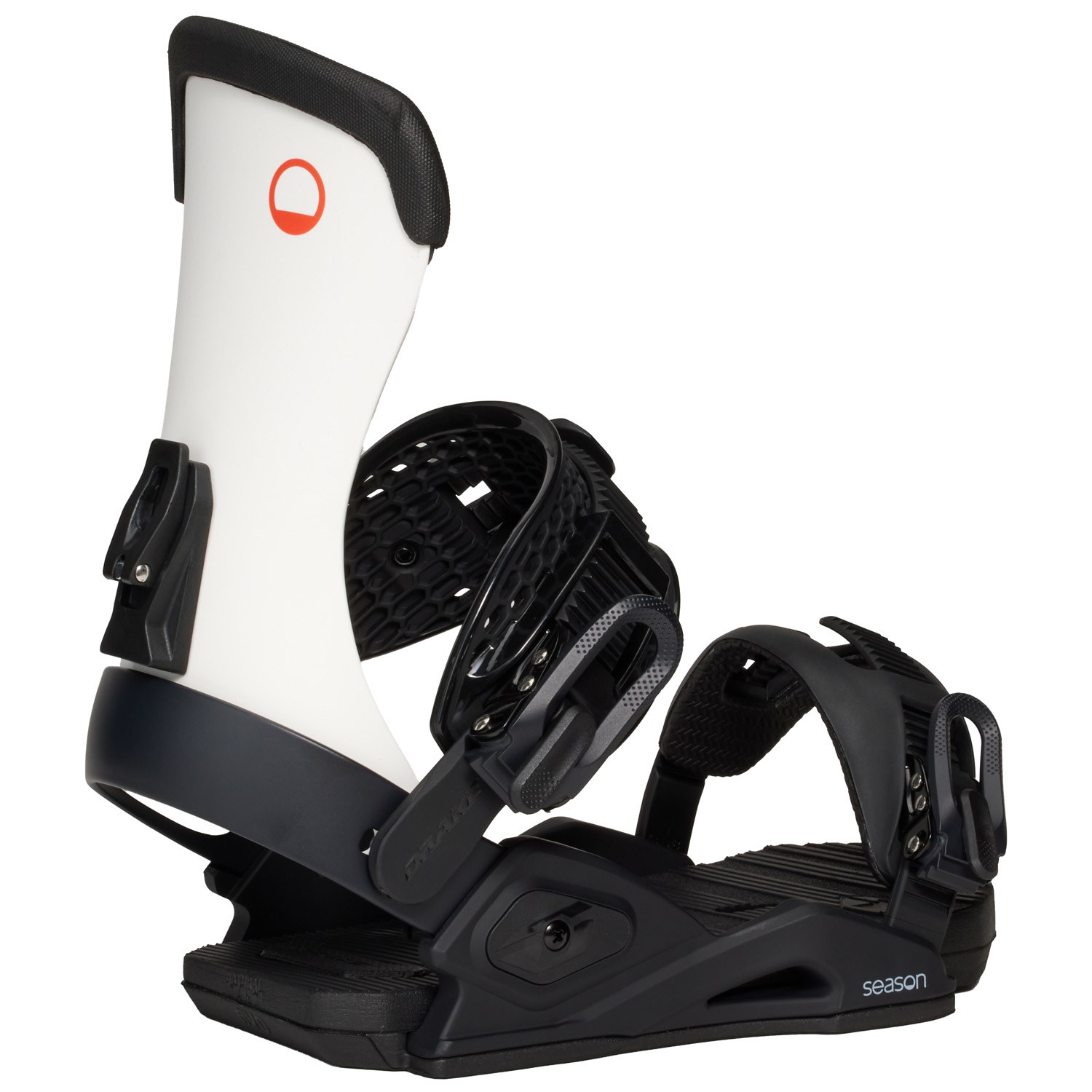
Best For: Beginner-intermediate riders who prefer cruisy runs
Weight: 982g
Underfoot: Dual-density foam
Highback Stiffness: 3.5/5
Strap adjustment: Quick-release lever
Pros: Simple, durable design with versatile flex for all-mountain riding, great value
Cons: Doesn’t stand out in any one area
The Season Meld snowboard bindings are crafted to offer simplicity, durability, and versatility for riders of all levels, but these are especially attractive to beginners and value-oriented riders due to the competitive price. But don’t ignore the performance on the Season Meld: Featuring a medium flex nylon-injected baseplate and heel cup, the bindings provide a balance between responsiveness and comfort, making them ideal for all-mountain use.
Like most higher-end bindings, the Meld’s highback has an asymmetrical shape that flexes well while remaining supportive, which is particularly advantageous for beginners and intermediate riders looking to ride off the groomers without needing ultra-stiff equipment. Riders on our team who preferred a surfier snowboard style loved these bindings, and a few of us couldn’t notice a meaningful difference between much pricier bindings. It also seems like the updated Meld is stiffer than the outgoing Universal
We found the bindings to be reliable and well-built. They performed especially well in open groomers and easy park laps without needing any technical nuances that tight maneuvers require. Though minimal in terms of customizability, these bindings excel in ease and durability, making them a great choice for those seeking reliable performance at an affordable price point.
Check Price on EVO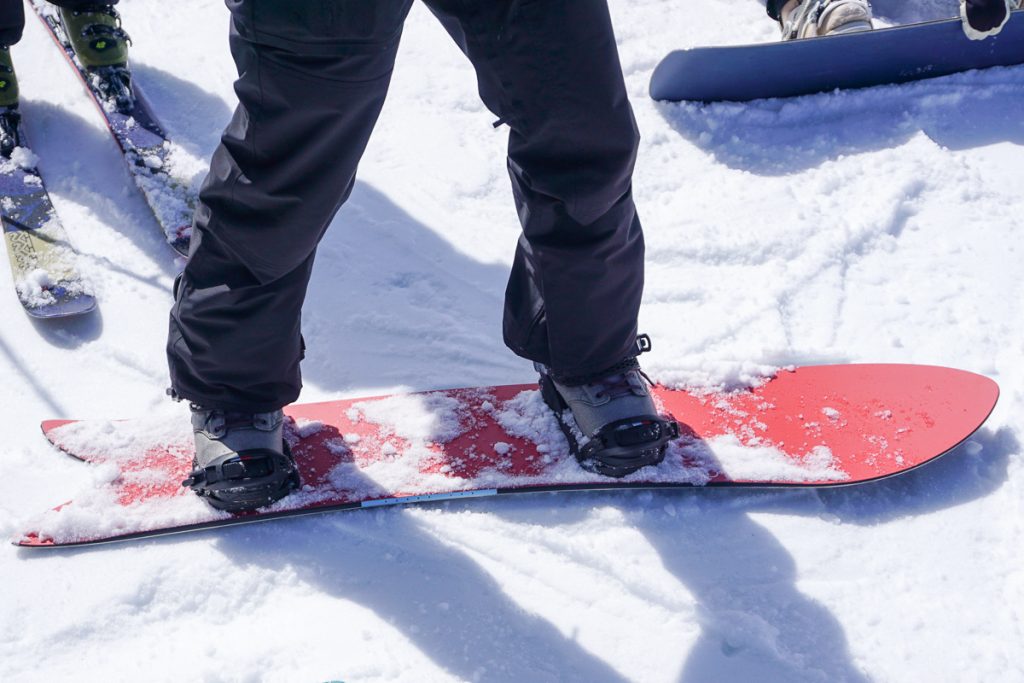
A great price and a great binding—the new Season Meld is a top pick. Photo: Will Sileo//The Inertia
Runner-Up Best Snowboard Binding
Ride Drone ($360)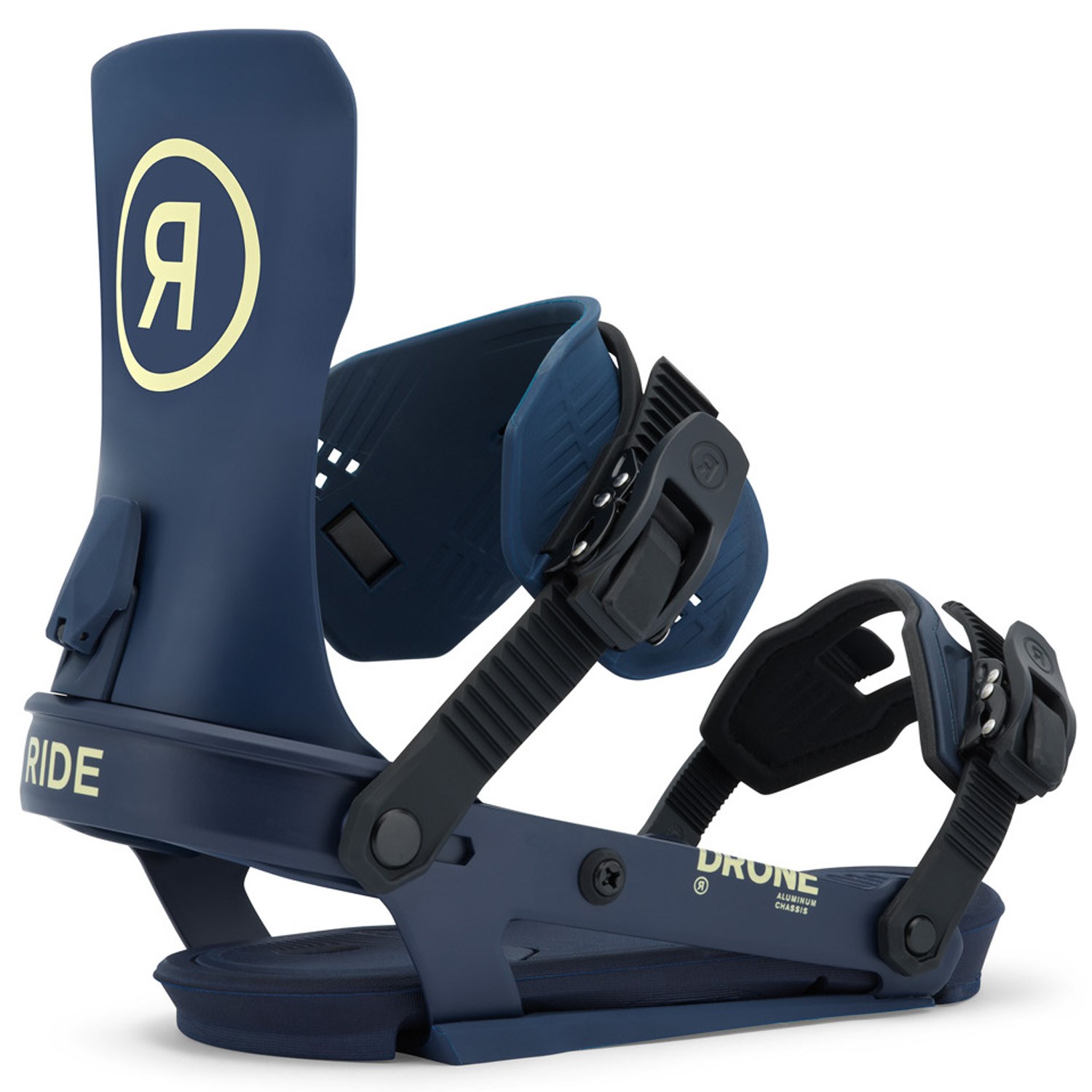
Best For: Every condition
Weight: 892g per binding
Underfoot: A-Series soft footbed
Highback Stiffness: 3/5
Strap adjustment: Tool-less
Pros: Great value for all-around performer, feel well-built and long-lasting
Cons: Toe strap didn’t fit every rider perfectly, lacks cutting-edge tech
If you are a snowboard purist and want to avoid the latest step on and fast entry trends, we totally understand. That’s where the Ride Drone comes in: This is the Toyota Truck of snowboard bindings. It’s simple, reliable, and works really well for whatever type of terrain you ride. We tested this binding on a variety of boards, from stiff all-mountain decks like the Ride Deep Fake, to flexier boards like the Bataleon Disaster+, and it just kinda rips in all settings. What it lacks in the latest high-back materials (features good old nylon construction) and quick entry, it makes up for in quality and performance.
The flex rating on the Ride Drone is listed as 3/5, and that’s right in line with what our team experienced, making this a great option for both intermediate and advanced riders. One of the best parts about the Drone was that it didn’t feel obtrusive or overly noticeable—when we’re riding, we just want our bindings to do their job. While the toe strap void didn’t fit every rider’s boots perfectly, that might have been because we were trying to fit it on a few different sizes. Long story short: If you want a simple, well-priced binding for pretty much every condition, the Drone should be high on your list.
Read our full review of the Ride Drone.
Check Price on Backcountry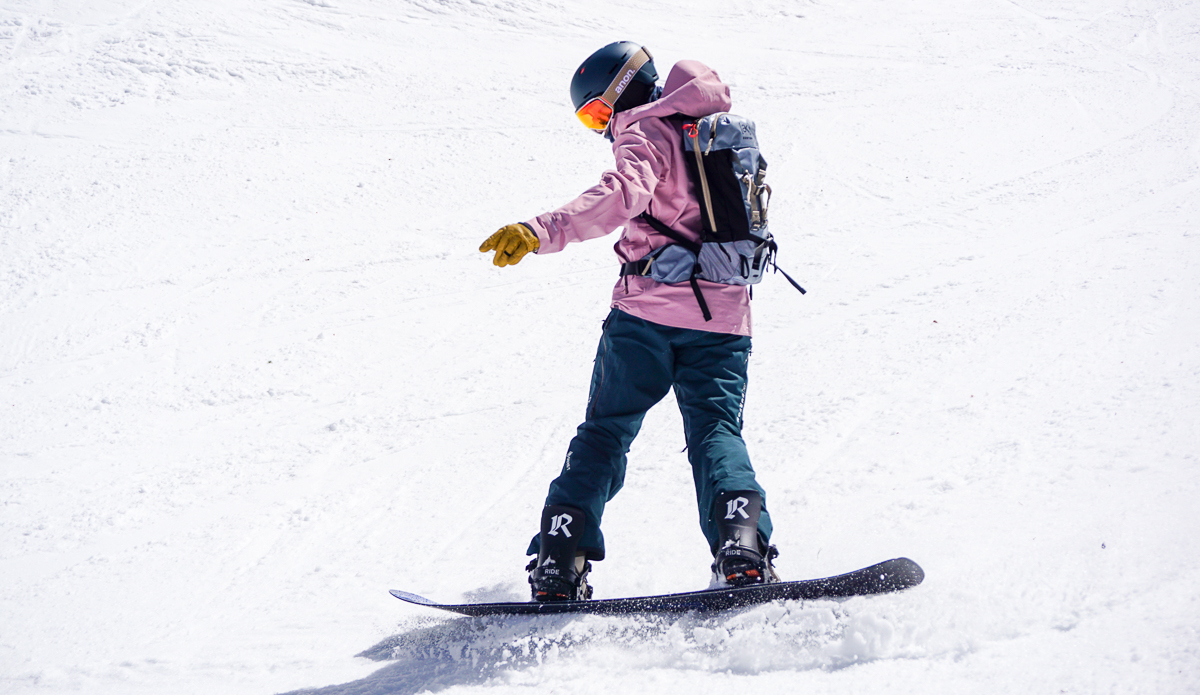
Versatility and reliability are exactly what you can expect from the Ride Drone. Photo: Will Sileo//The Inertia
Best All-Mountain Snowboard Bindings
Union Force ($350) 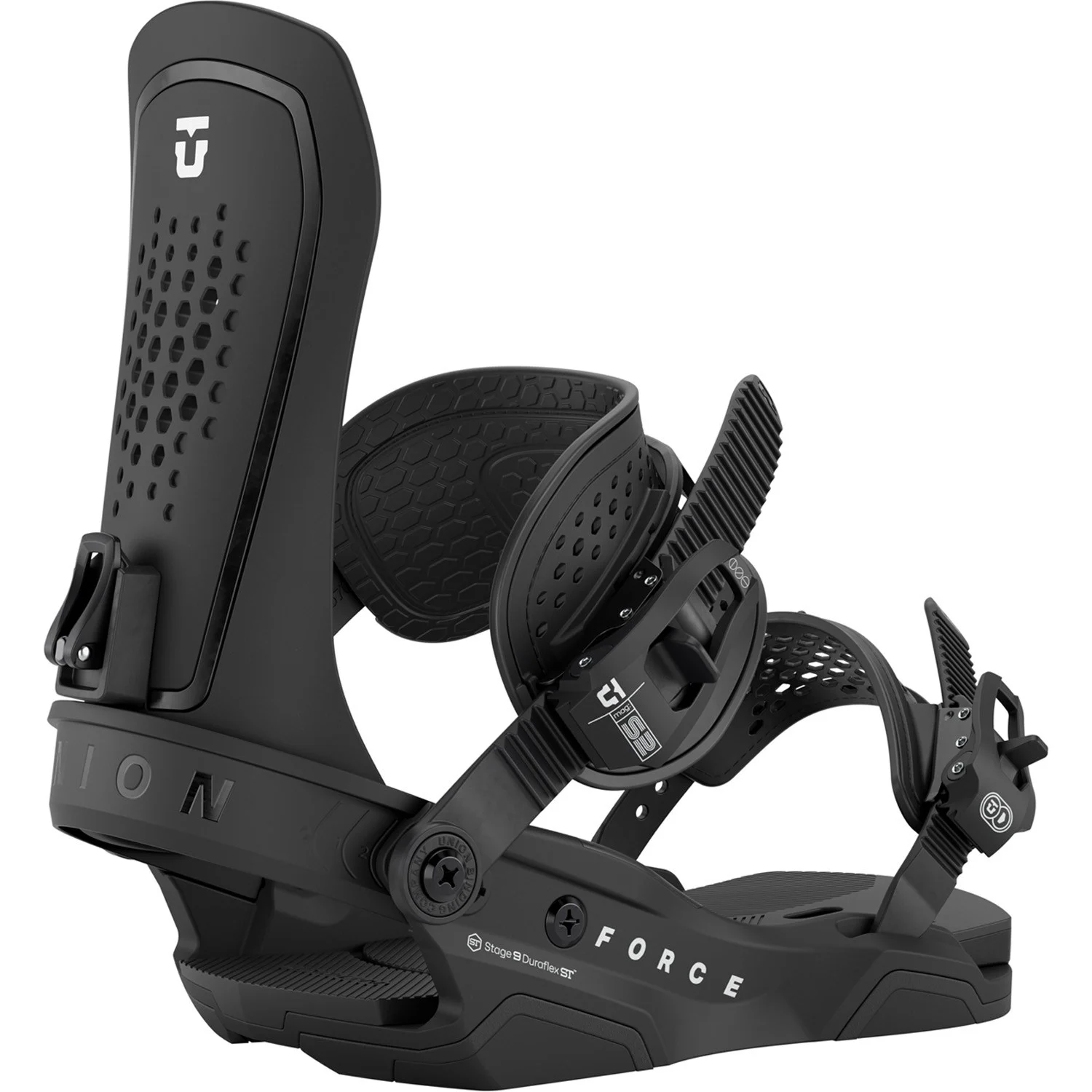
Best For: Versatility and value
Weight: 970g
Underfoot: Molecular Bushing Suspension
Highback Stiffness: 3.5/5
Strap adjustment: Phillips Head
Pros: Great value, excellent all-mountain versatility and durable build, lifetime warranty
Cons: A touch heavy, doesn’t shine at anything
The Union Force bindings are some of the most versatile, durable, and responsive bindings out there. It’s a solid choice for riders who value an all-around binding that performs well on various terrain types. With a medium-stiff flex in the highback, the Force bindings offer responsive edge-to-edge control that suits all-mountain riders who occasionally like to tweak it in the park. The baseplate is strong and solid without being too rigid, allowing for a really mindful connection with the board, but still allowing you to really lean into turns without losing control.
For the price, you are hard-pressed to find a better-performing snowboard binding that’s built so tough. The extra-thick baseplate is worth the added weight if you’re the person to really give it your all and take a hard tumble. Better to have a few dozen extra grams now than to have to replace your bindings more often.
Check Price on BackcountryBest Freestyle Snowboard Bindings
Bataleon Blaster AW FASE ($380)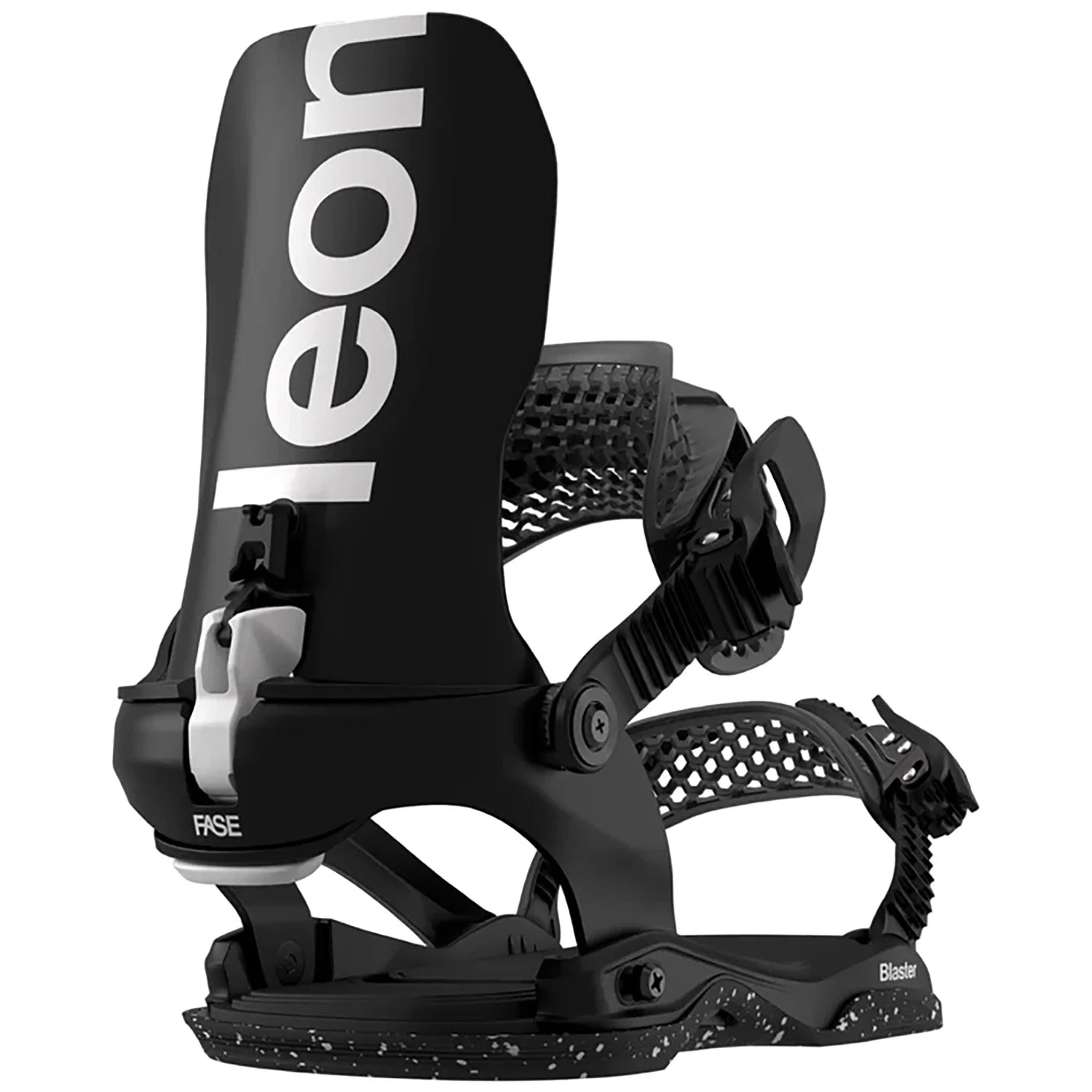
Best For: Freestyle riding
Weight: 860g
Underfoot: Adjustable foot pad
Highback Stiffness: 3/5
Strap adjustment: Tool-less
Pros: Perfect blend of flex and response, lightweight, comfortable straps
Cons: Took some fiddling to dial in fit and highback
Another FASE binding to crack our top picks, the Bataleon Blaster AW FASE helps establish the range of possibilities for this new technology. Where the Jones Mercury above is stiff and hard-charging, the Bataleon Blaster AW is cruisy and playful. While the Blaster is not a super soft binding, it’s right in the middle of the flex spectrum, and it’s a perfect freestyle binding for a few reasons. First, the added flexibility in the highback, straps, and base allows for excellent engagement of your board—we tested it with a couple of park boards, and jibbing was a dream. Plus, the fast entry system allows for quicker in and out for when you want to get around the park (or maybe you didn’t land perfectly and need to quickly push yourself out of the way, we’re maybe speaking from experience). The Bataleon Blaster AW FASE are also some of the most comfortable bindings we tested, so if you find it tough to dial in the fit of your bindings around your boots, these are a great option to look at.
Check Price on REI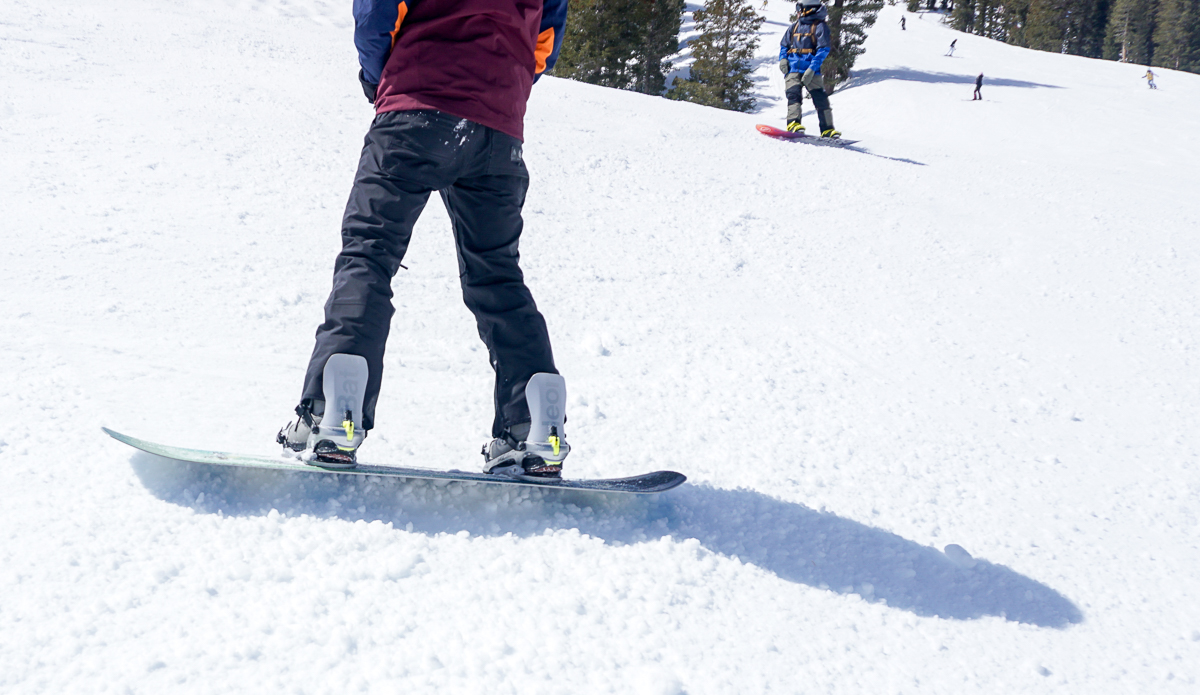
We had a blast riding surfy boards and freestyle decks with the Bataleon Blaster AW FASE. Photo: Will Sileo//The Inertia
Best Splitboard Bindings
Spark R&D Surge ST ($489) 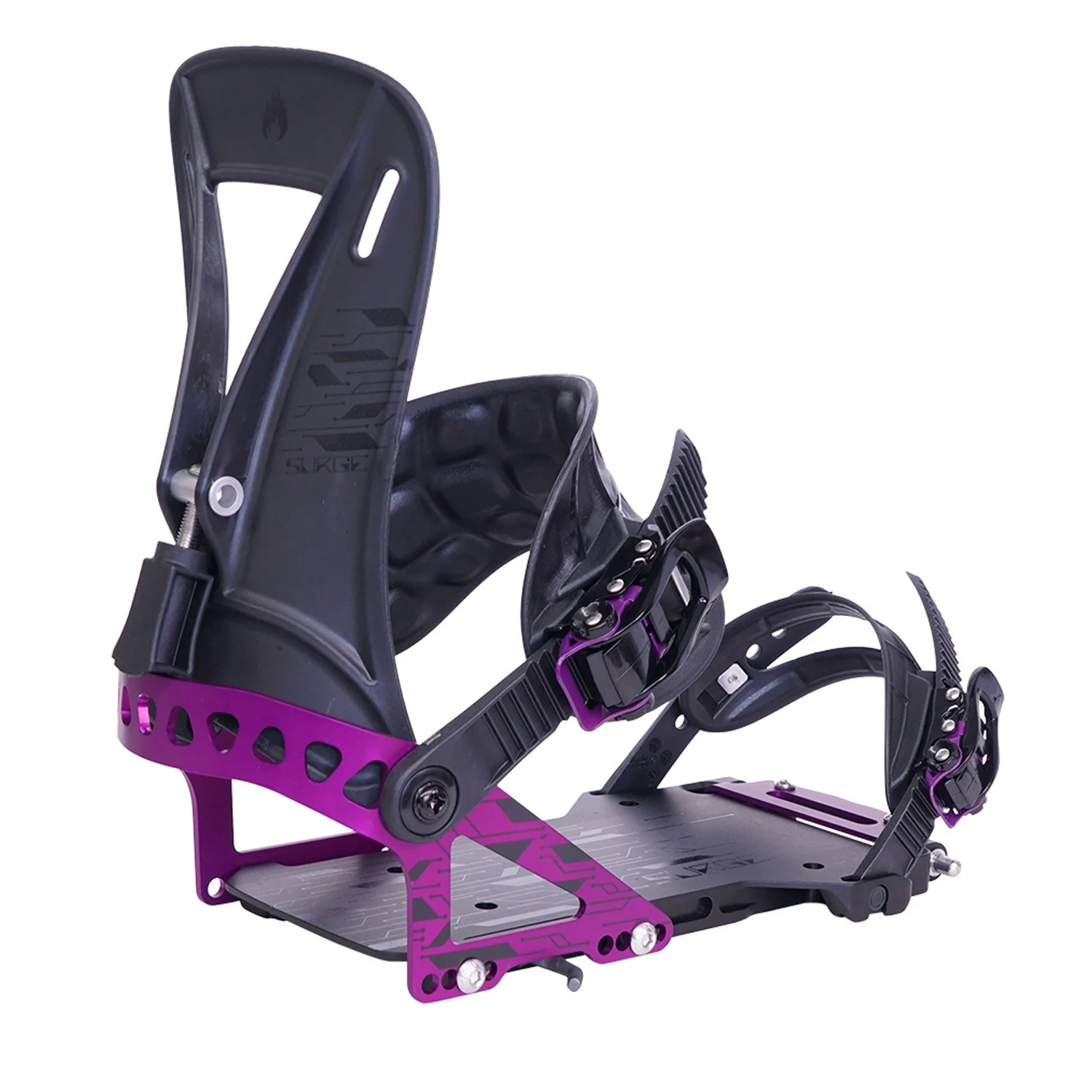
Best For: Splitboarding
Weight: 689g (not including pucks)
Underfoot: Baseplate only (padding sold separately)
Highback Stiffness: 5/5
Strap adjustment: Phillips
Pros: Durable construction, asymmetrical highbacks provide excellent edge-to-edge response
Cons: Hardware can come loose, needs routine checks and maintenance
The Spark R&D Surge ST is crafted for dedicated backcountry splitboarders who prioritize power, stability, and durability. We found them to be simple and reliable on transitions, while at the same time holding a turn while pinning it at high speeds. The binding’s ST (Smooth Touring) Tech features over-molded thermoplastics on critical components like the ST Whammy Bars for extra lift, and the touring brackets, minimizing friction and extending the binding’s lifespan for more efficient climbs.
Additionally, Spark R&D has simplified its Tesla T1 system for efficient transitions, making it one of the most streamlined and reliable choices for technical backcountry tours. The bomber construction does come with a bit of extra maintenance that can’t be neglected; otherwise, you may lose some hardware somewhere along the skin track. If you remember to keep the bolts tightened, there won’t be any worries, but neglect this task and you’ll be hoping you packed a set of replacement parts, probably having to do some maintenance in sub-optimal conditions.
Check Price on REIBest Women’s Snowboard Bindings
Nitro Ivy ($320)
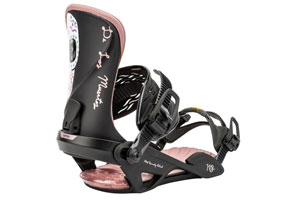
Best For: All-around women’s snowboarders
Weight: 805g
Underfoot: Foam + nitro air dampening
Highback Stiffness: 3.5/5
Strap adjustment: Quick-release levers
Pros: Excellent shock absorption, secure fit
Cons: Slightly heavier than some other women’s bindings, limited adjustability options
Editor’s Note: The Nitro Ivy in this guide is a 2025 model. We’re currently testing and working on adding a handful of women-specific bindings to this guide, and we’ll be updating shortly with our results.
The Nitro Ivy bindings are engineered specifically for women seeking high-performance bindings with excellent comfort and control. Designed with a medium-stiff flex and built on Nitro’s Stealth Air base frame, these bindings provide stability and response, making them versatile enough for both all-mountain and freestyle riding. The ASYM Women’s Highback complements the frame, adding support and precision without compromising flexibility, while at the same time keeping the weight to a manageable level. Nitro’s AIR Dampening system in the heel area offers superior shock absorption, reducing foot fatigue from hard landings and choppy snow, while the 3° canted footbed promotes an ergonomic stance to ease strain on the knees, especially during longer sessions.
A standout feature of the Ivy (and many Nitro bindings) is the Vibram rubber-infused toe-cap, ensuring a secure foothold with a natural, slip-free grip on the boot. The bindings are reinforced with stainless steel cables in the connectors, adding durability for demanding riders and high-impact landings. While not the lightest binding on the market, the Nitro Ivy’s build quality and materials make it a reliable choice for women who push their limits on the mountain.
These features make the Ivy a solid choice for women seeking reliability and comfort across all types of terrain.
Check Price on EVO Check Price on Backcountry
Best Step-On Snowboard Bindings
Burton Step On X Re: Flex ($479) 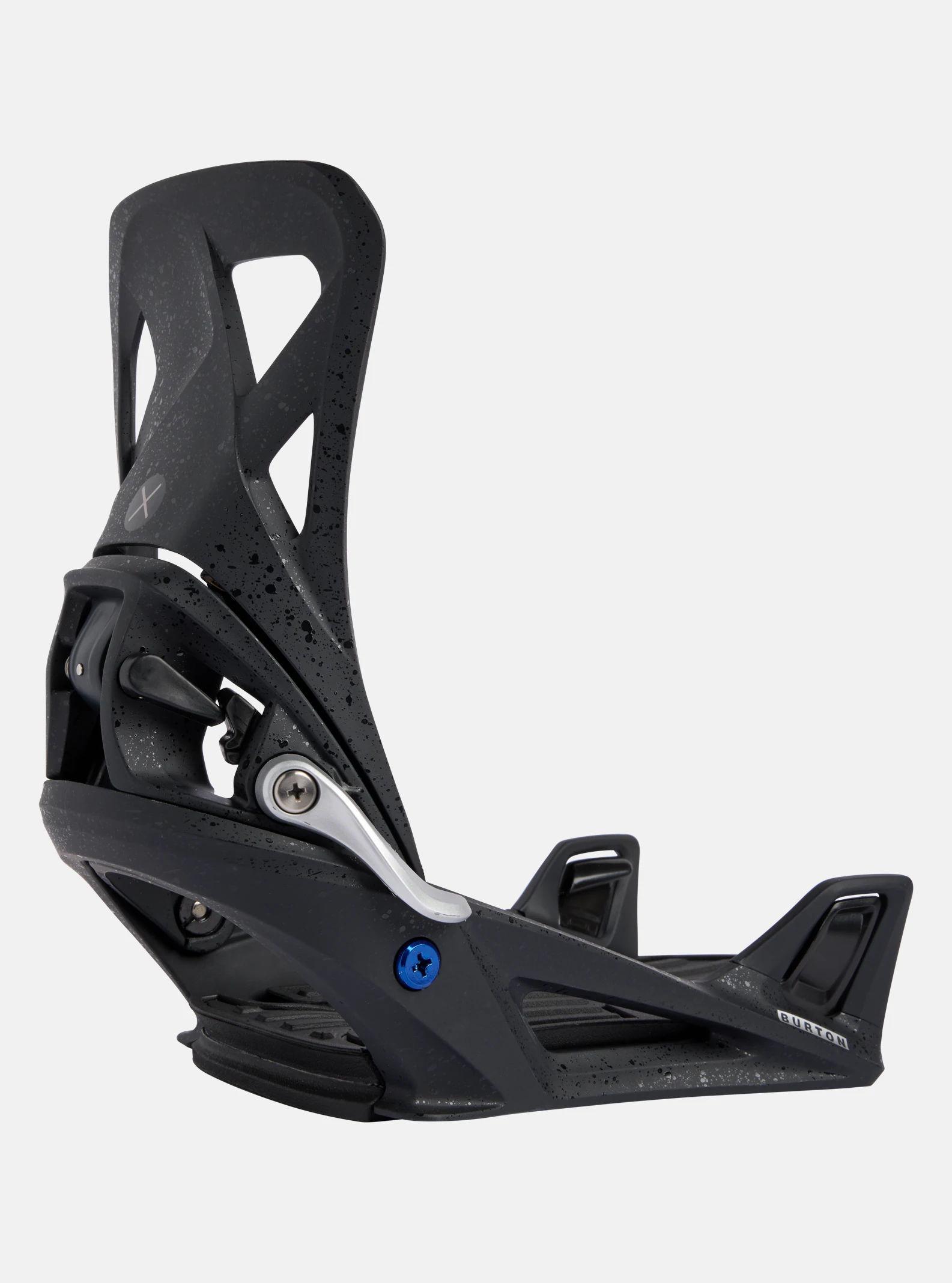
Best For: Burton loyalists who want to improve efficiency on the mountain
Weight: 785g
Underfoot: FullBED cushion system
Highback Stiffness: 4.5/5
Strap adjustment: Step on
Pros: Excellent performance, super lightweight, more snug attachment than previous models
Cons: Requires compatible Burton Step On boots, pricey
We’ve tested a few versions of Burton’s innovative Step On bindings, but none so high-performing as the Burton Step On X Re: Flex. Yes, these bindings offer an innovative, strap-free system that lets riders quickly step in and out with ease, but it was the complete feature set and primo technology that impressed our team on the mountain. The higback is a 50/50 blend of carbon fiber and nylon, stiffening up the standard Step On Re: Flex a touch and also bringing it down in weight by about 100 grams, a pretty serious reduction. Best of all, where we’ve had a bit of play in the attachment points in previous Step On bindings, the latest Step On X Re: Flex showed no signs of slop, and we found ourselves super locked in even on steep carves.
As with any brand-specific technology, the limiting factor with this binding is the fact that you’ll need compatible Burton Step On boots. That might be a deal breaker for some riders, but we feel very confident that Burton will be continuing this technology long into the future; they’ve even started designing boots from the ground up for Step On (rather than just adapting standard boots to fit). With that in mind, if you’re Step On curious and are looking for a top-tier performer at an admittedly high price, we feel like this is the option to get in the game.
Check Price on Backcountry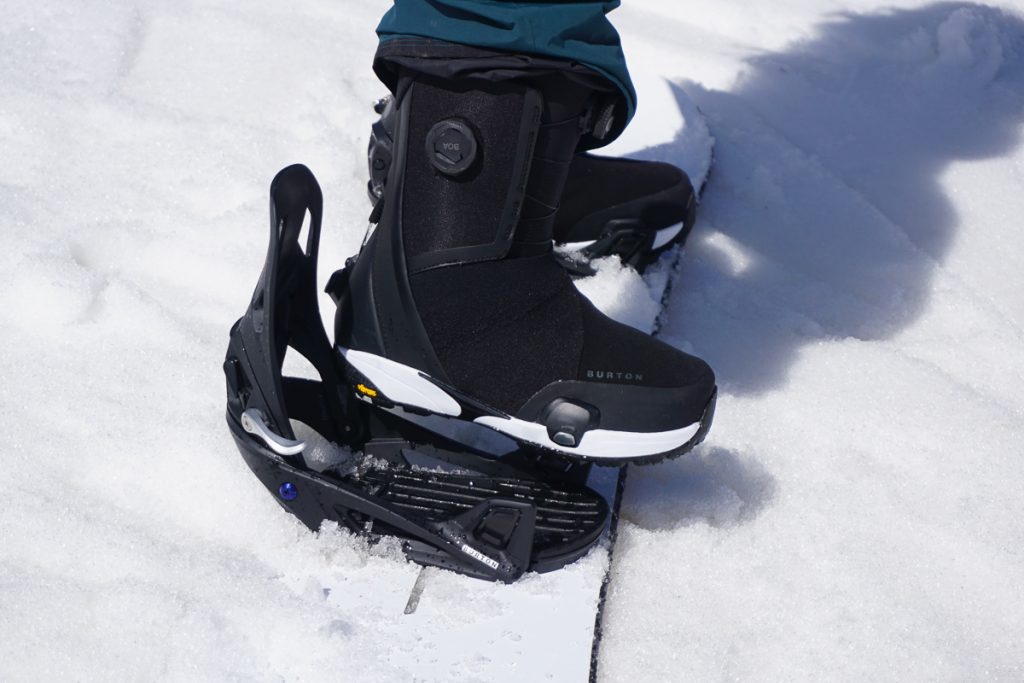
It doesn’t get easier than the Burton Step On setup. Photo: Will Sileo//The Inertia
Best of the Rest
Another Favorite Freestyle Binding
Union Ultra ($330) 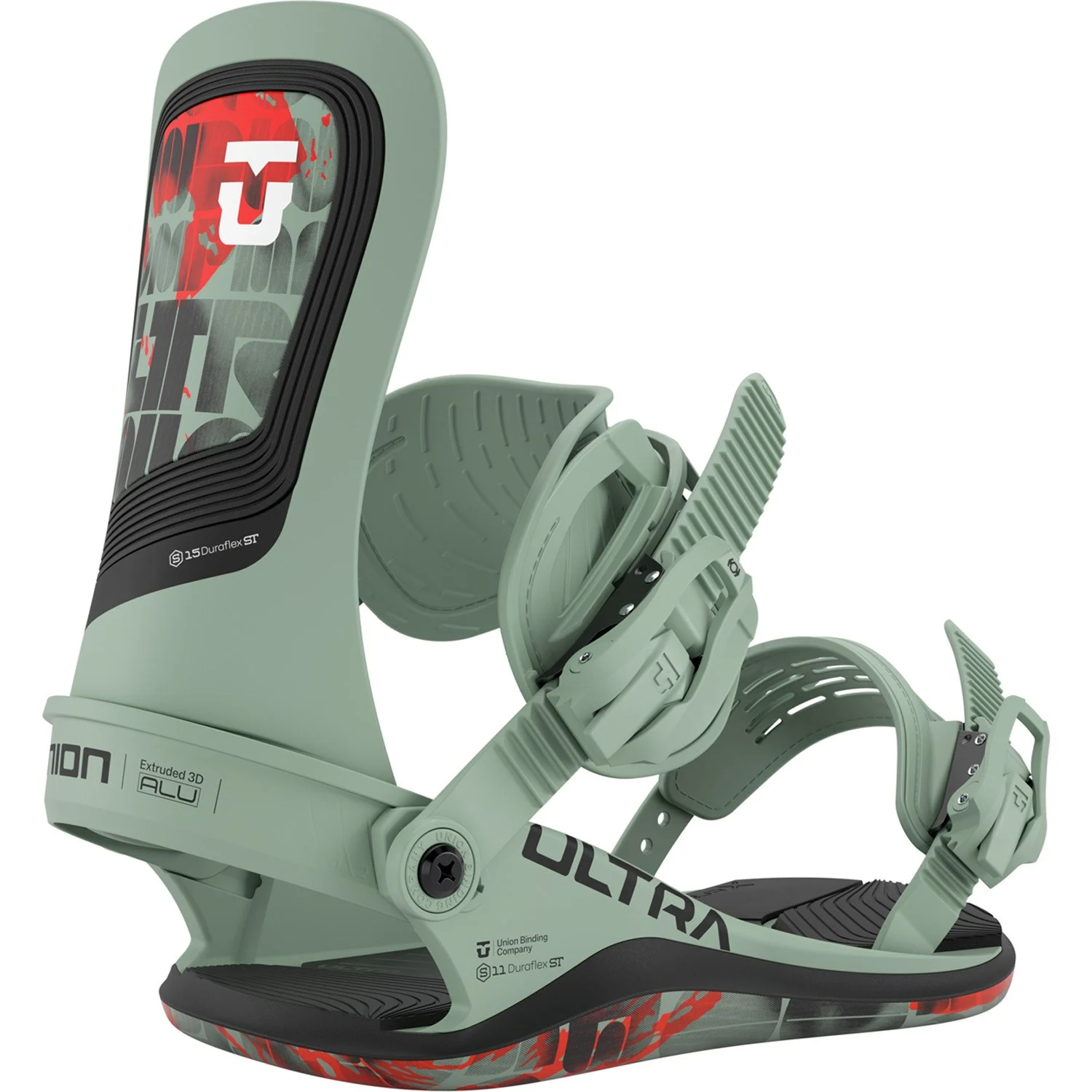
Best For: Freestyle riders who aren’t exclusively park rats
Weight: 919g
Underfoot: Foam toe and heel, plastic mid
Highback Stiffness: 3/5
Strap adjustment: Phillips
Pros: Responsive and precise with a comfortable fit
Cons: Lighter construction sacrifices some durability
The Union Ultra bindings are designed to provide a lightweight, responsive ride that excels in both freestyle and all-mountain terrain. The design is built to combine the best of flexibility and response, making them versatile enough for park laps while also holding their own on the rest of the mountain. The Fused Vaporlite bushings run the whole length of the foot underneath, delivering excellent shock absorption, reducing foot fatigue, and allowing for a smooth ride even in bumpy conditions. We found that while responsive, it was more suited to slower speeds and park laps than pinning it on steep descents. But the cushioning and smooth response made for some really fun freestyle sessions.
The Union Ultra bindings are best suited for intermediate to advanced riders who want a high-performance freestyle binding that is also capable of handling all-mountain conditions. With a focus on lightweight construction and comfort, the Ultra is perfect for riders who want to spend time both in the park and exploring the rest of the mountain.
Read our full review of the Union Ultra.
Check Price on Backcountry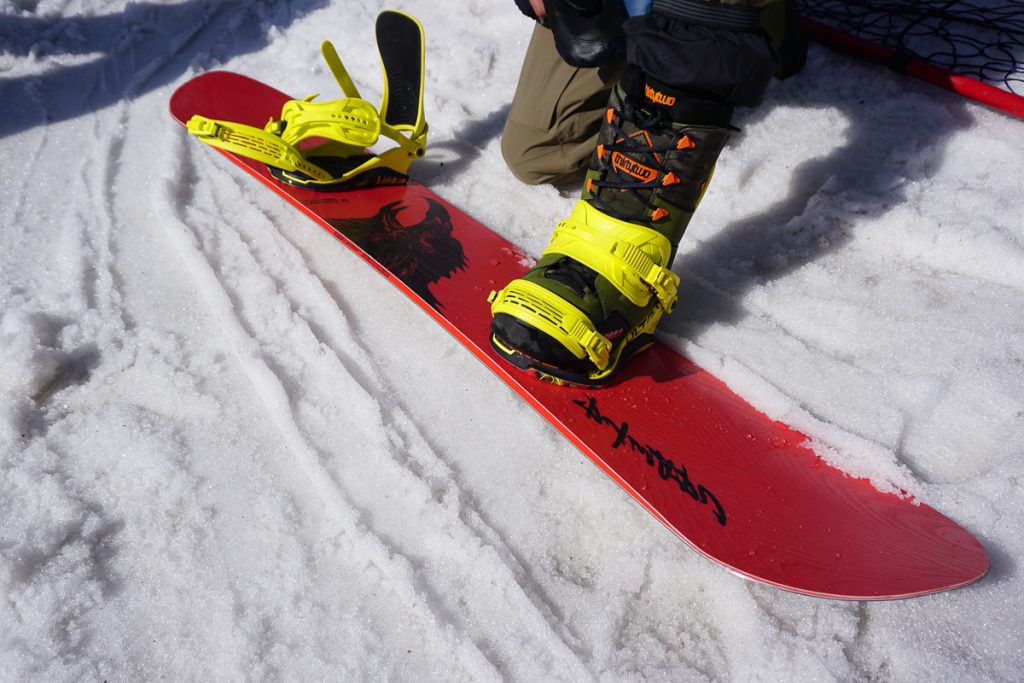
The Union Ultra are super comfortable and surprisingly versatile. Photo: Nathan Lemin//The Inertia
Premium Freeride Bindings
Jones Apollo Pro ($650)
Best For: High-speed freeriding
Weight: 783g
Underfoot: Triple-density EVA foam
Highback Stiffness: 5/5
Strap adjustment: Latch and screw
Pros: Lightweight, highly responsive Flax/Carbon highback, uses recycled materials
Cons: Pricey, stiff highback may cause calf discomfort on prolonged rides
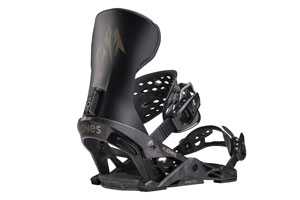
The Jones Apollo Pro is designed for expert freeriders who seek ultimate edge control and precision, particularly in steep and technical terrain. Featuring a Flax/Carbon highback, the Apollo Pro offers an extremely stiff flex, making it responsive for aggressive, high-speed carving. These bindings are best suited for experienced riders who prioritize stability and control, particularly on big lines and in freeride conditions.
This binding incorporates Skate Tech—a technology that channels energy directly to the board edges for efficient power transfer, perfect for big-mountain or high-speed scenarios. It includes three different foam densities in the foot pillow for zonal shock absorption where it’s needed most and less where it isn’t.
With adjustable bushings and modes that allow for custom responsiveness (Freeride Mode for maximum response vs. Surf Mode for a looser feel), it provides a high level of adaptability for big-mountain riders who need to charge hard in variable conditions. The durable Flax/Carbon highback and fiberglass-reinforced base make it one of the most robust bindings in its category, ideal for pushing boundaries on technical descents.
Check Price on BackcountryRunner-Up Best Value
Arbor Cypress ($300)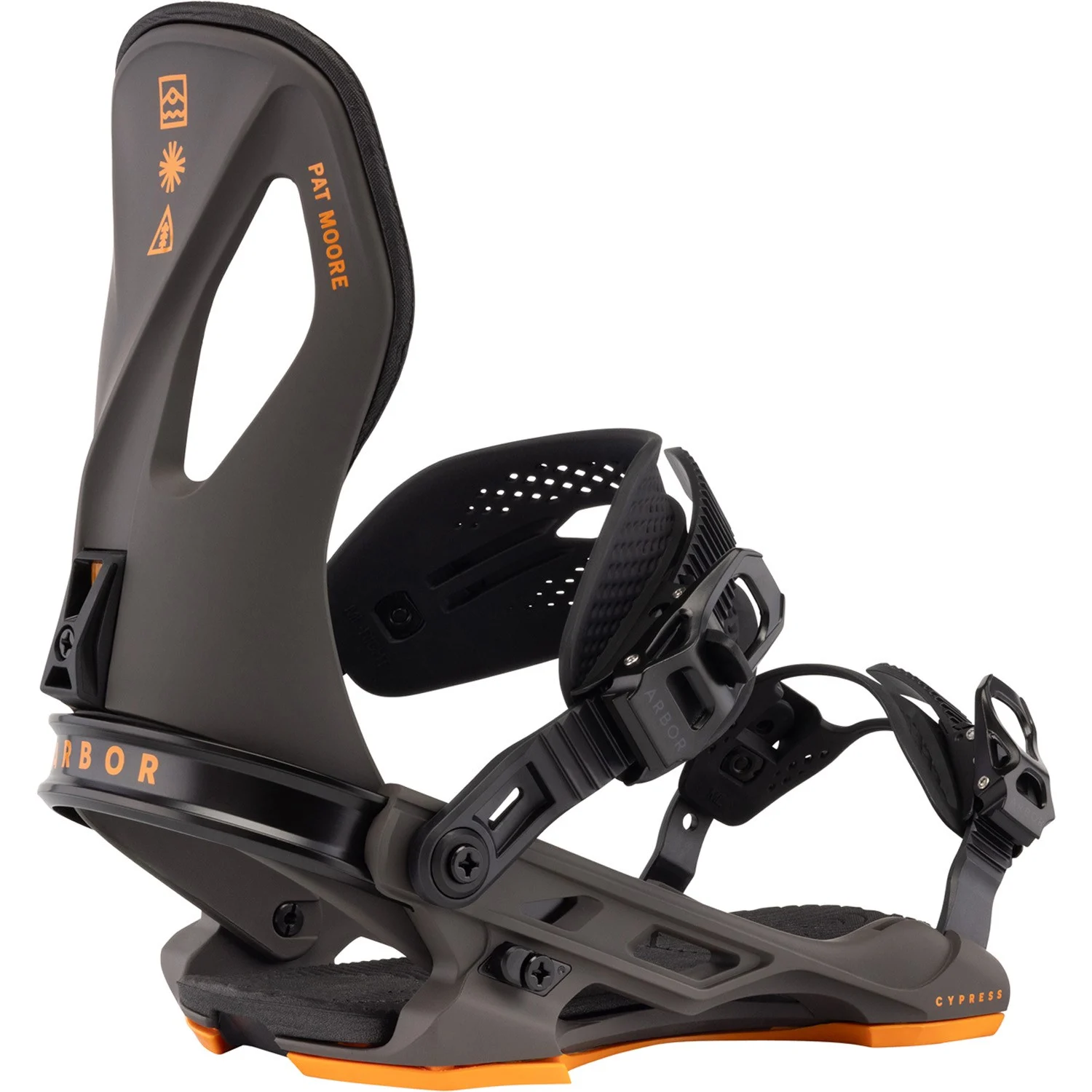
Best For: All-around riders looking for a versatile binding
Weight: 968g
Underfoot: Dual-density EVA foam
Highback Stiffness: 4/5
Strap adjustment: Quick-release lever
Pros: Durable, eco-conscious design with plant-based BioStrap materials, versatile
Cons: Highback adjustments require tools, which may be inconvenient for on-the-go changes
The Arbor Cypress is a true master of none, but the sum of the parts creates a fantastic all-mountain snowboard binding. For the price, it’s well-built with a thoughtful design and solid hardware. We’re huge fans of Arbor due to the brand’s commitment to sustainability, and the Cypress snowboard bindings are super versatile so you can buy one pair and be done. From off-piste riding to groomer runs and the park, we found the Arbor Cypress performed well on all types of snow for all types of riding.
A mini-disc system adds versatility, allowing for natural board flex and improved feel, which is essential for riders who want a closer connection to their snowboard. Although the highback adjustments do require tools, the heel loop and toe/ankle straps are tool-free, which is convenient for quick adjustments. Plus, the eco-friendly materials used in construction and the brand’s record for sustainable design make us feel even better about recommending the Arbor Cypress.
Of course, no snowboard bindings are perfect, and while we love the versatility of the Cypress, it can also hold it back from achieving top marks for any one category. The Union Force is another all-arounder that we loved, but it’s a touch heavier and a bit more expensive.
Check Price on BackcountryHigh-Performance Snowboard Bindings
Union Falcor ($440) 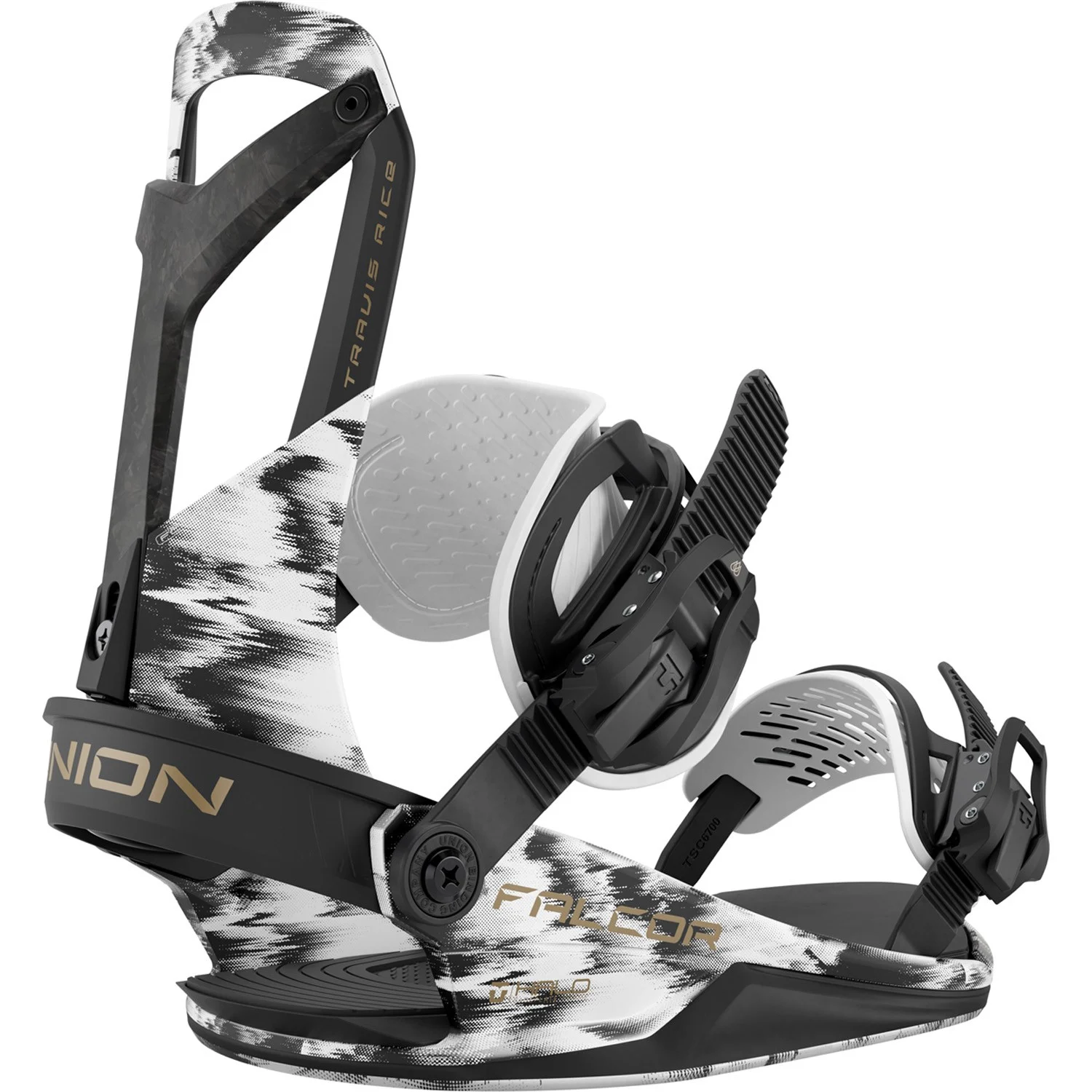
Best For: Aggressive, high-performing riders
Weight: 870g
Underfoot: Wide foam bushings under baseplate
Highback Stiffness: 3.5/5
Strap adjustment: Allen key, double bolted (not for on-the-fly adjustments)
Pros: Unibody design, exterior bushing system keeps a tight grip on the board at all times
Cons: On-the-fly adjustability is limited
Travis Rice’s pro model performs how you would expect it to, and the Union Falcor provided some of the best performance chops from any snowboard bindings on this list. The solid, wraparound frame feels sturdy and responsive, no matter which axis the torsional twist happens, and at any prevailing force. The highback has a carbon composite frame that holds the stiffness when front to back but is still flexible on the rotational axis.
Of course, there are drawbacks with a unibody design: namely, you lose the on-the-fly adjustability that most riders benefit from. As a result, you want to make your adjustments at home and not before dropping into a big line. However, these bindings are for specific riders, and if you need the highest output bindings for aggressive lines, the Union Falcor is excellent.
Check Price on BackcountryComfortable Footbed
Nitro Phantom ($400)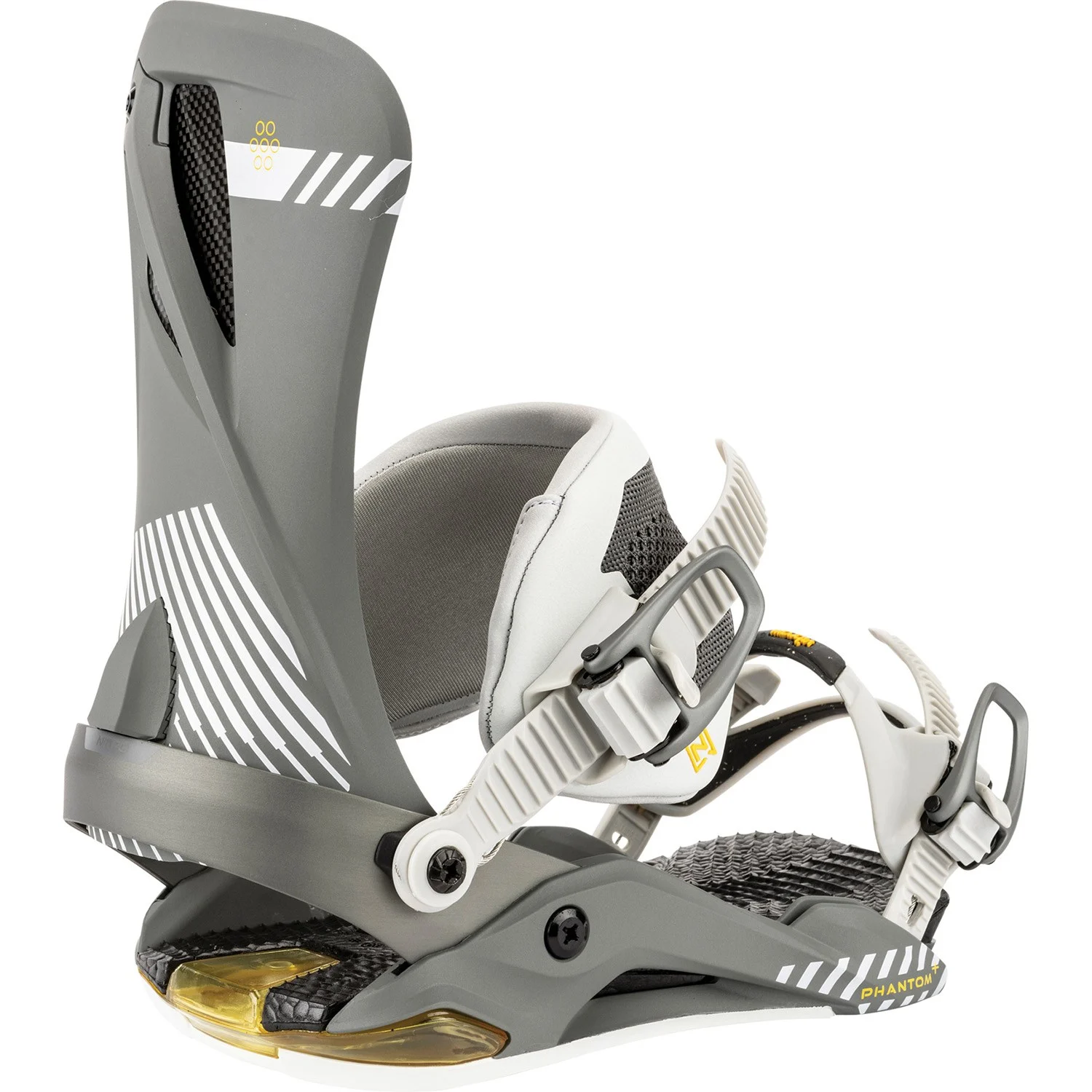
Best For: Riders seeking enhanced underfoot comfort
Weight: 972g
Underfoot: 3º canted toe
Highback Stiffness: 4.5/5
Strap adjustment: Quick-release lever
Pros: Exceptional comfort with AIR Plus dampening and ergonomic canted footbed
Cons: Too soft for aggressive off-piste riding
The Nitro Phantom is a high-performance binding that stands out for its all-mountain versatility and comfort, featuring Nitro’s AIR Plus footbed with dual dampening technology for maximum shock absorption and comfort. Seriously, though, it made for a spongy surface that was still stiff enough to be responsive with a dampened ride that performs equally well in rough conditions and on groomers. The Phantom uses a 3° canted footbed to promote a natural, ergonomic stance, which is a plus for all-day riding and helps reduce knee strain. The Glass Fiber Reinforced AIR 2.0 base frame and a responsive highback provide solid support and stability while remaining easy to maneuver.
Additionally, the Übergrip toe strap with Vibram EcoStep™ rubber ensures a secure grip on the boot, and cable-reinforced connectors add durability, making the binding resilient against breakage. This setup is complemented by premium comfort ankle straps, which include a flex window to maintain a snug fit without uncomfortable pressure points, even on long rides.
Check Price on BackcountryRunner-Up Best Freeride
YES. Drive ($350) 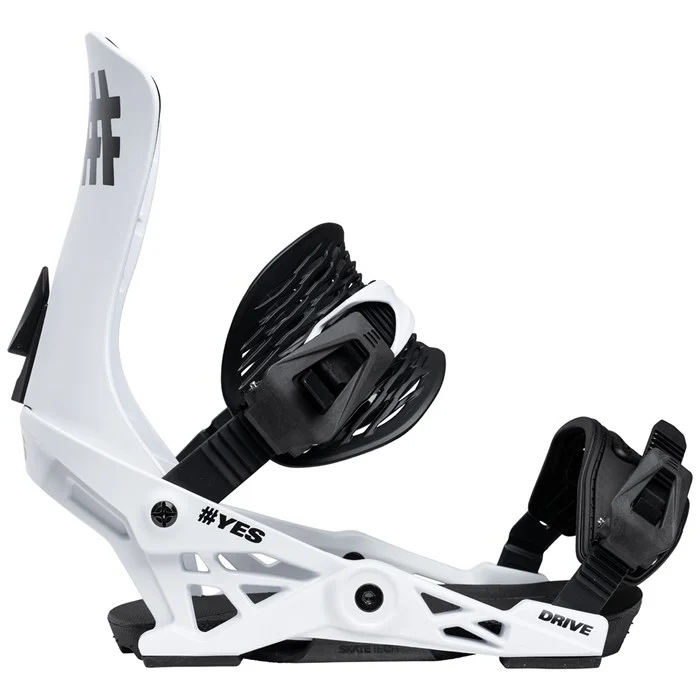
Best For: Big powder days
Weight: 969g
Underfoot: Flat, stiffer footbed
Highback Stiffness: 4/5
Strap adjustment: Latch and screw
Pros: Excellent shock absorption with Skate-Tech and dense padding
Cons: Limited adjustability may not suit all riders
YES. acquired NOW bindings this year, and the Whistler-born brainchild of legendary pro rider JF Pelchat live on under a new and improved YES. brand. The bindings are known for their innovative Skate-Tech, which pivots on a central kingpin, directing energy directly to the board’s edges that are similar to the physics of a skateboard truck, for highly responsive turns. This feature offers riders a smooth, shock-absorbing experience on rough and variable snow.
The YES. Drive bindings feature a medium-stiff flex and asymmetrical Calfback highbacks, allowing for powerful edge control and stability at high speeds. The Flip-It ankle straps add versatility, allowing riders to adjust the support on the fly based on whether you’re riding hard or cruising in a more flowy surf style.
The bindings come with two swappable sets of bushings—medium and hard—enabling custom tuning to match terrain and conditions. Being on the stiffer side, the Drive is better suited to firm snow and big lines than for playful park laps.
Check Price on EVOStep-In for Standard Snowboard Boots
Nidecker OG Supermatic ($430) 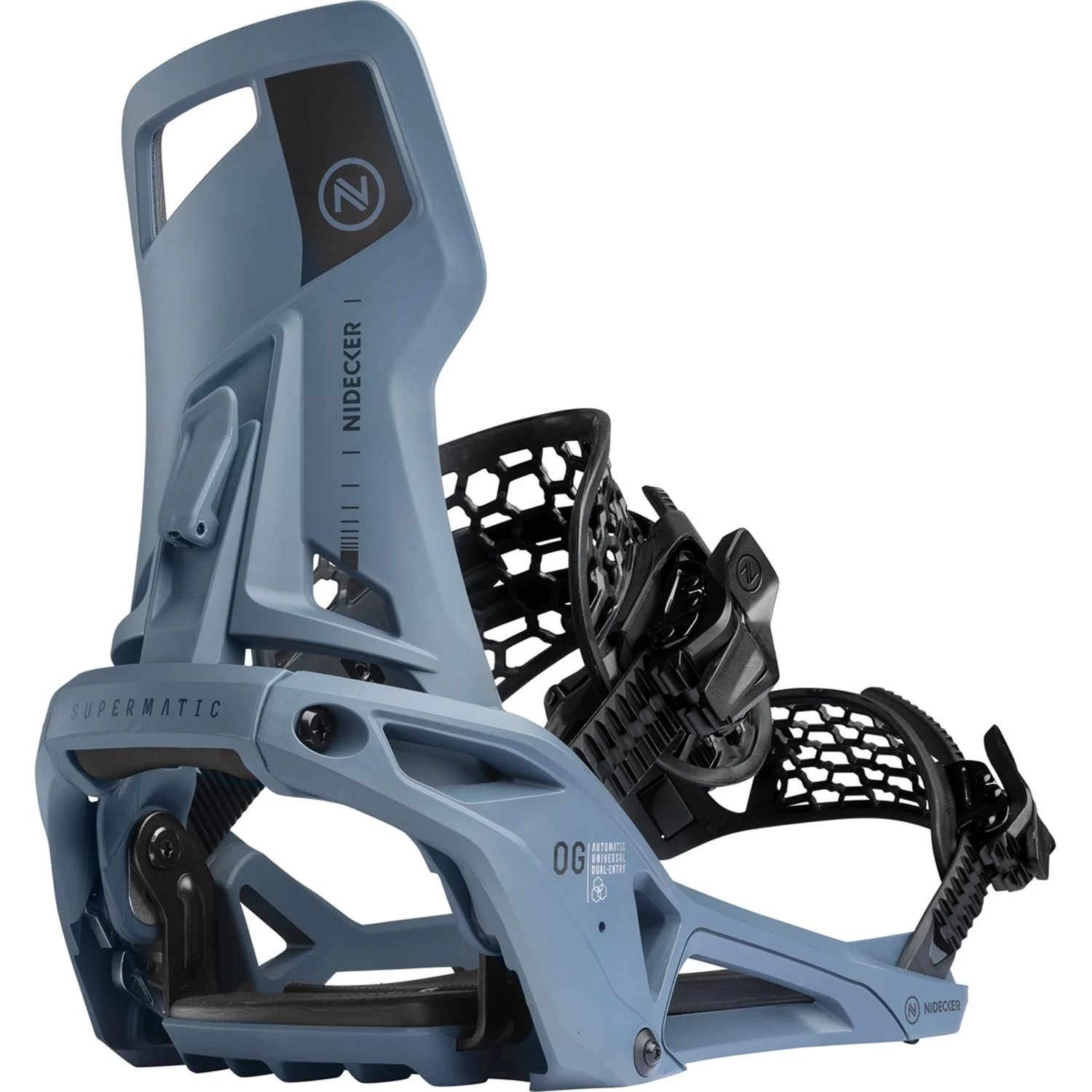
Best For: Riders who want the convenience of step-in but love their standard boots
Weight: 1291g
Underfoot: Foam
Highback Stiffness: 3/5
Strap adjustment: Quick-release lever
Pros: Compatible with any traditional snowboard boots, easy to strap in
Cons: Heavier than many standard bindings, higher potential for parts failure
For people who truly love their boots but don’t want the fuss of strapping in and out every run anymore, the Nidecker OG Supermatic delivers. These bindings allow riders to use any traditional snowboard boot rather than a specific model. With a mid-stiff flex and durable construction, these bindings are suitable for all-mountain and freeride use, giving a solid feel in both big lines and fun groomer laps.
The step-in mechanism takes a few reps, and then it’s like riding a bike. We found it best to make sure the highback is reclining fully to allow for a slip-in entry when stepping down on the heel. To exit, riders simply activate the release lever on the inside, making these bindings a practical choice for those who value efficiency without compromising the support of traditional straps.
Built with a fiberglass-reinforced nylon baseplate, the Supermatic bindings provide excellent responsiveness, especially in firm conditions. The asymmetrical highback enhances control, making it responsive for advanced riders who prioritize precision on steeper runs. Although the baseplate is heavier than some traditional bindings, the new innovation is one that will turn heads on the mountain.
Check Price on REI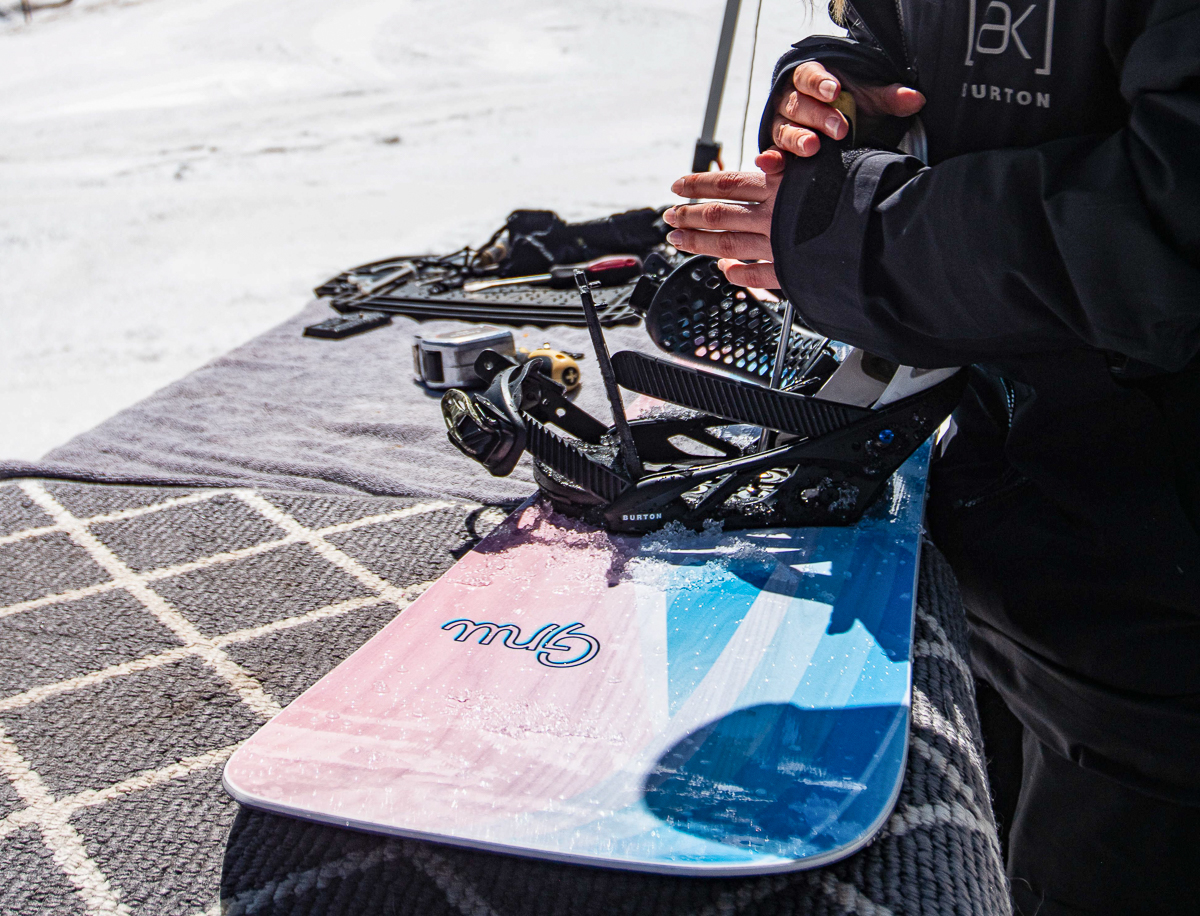
Keep in mind your board width, boot size, and riding style when selecting snowboard boots. Photo: Colter Hinchliffe//The Inertia
Snowboard Bindings Comparison Table
| Binding Model | Price | Weight (per binding) | Stiffness | Best For |
| Jones Mercury FASE | $360 | 900g | 4/5 | Intermediate to advanced all-mountain riding |
| Season Meld | $260 | 900g | 3.5/5 | Approachable and affordable |
| Ride Drone | $360 | 892g | 3/5 | Simple and reliable all-arounder |
| Union Force | $350 | 970g | 3.5/5 | Tons of performance and quite affordable |
| Bataleon Blaster AW FASE | $380 | 860g | 3/5 | Flexy and responsive in a fast entry binding |
| Spark Surge ST | $489 | 689g | 5/5 | Splitboarding |
| Nitro Ivy | $320 | 805g | 3.5/5 | All-around women riders |
| Burton Step On X Re: Flex | $479 | 785g | 4.5/5 | High-performing step on binding |
| Union Ultra | $330 | 919g | 3/5 | All-around freestyle riding |
| Jones Apollo Pro | $650 | 783g | 5/5 | Hard-charging and intense freeriding |
| Arbor Cypress | $300 | 968g | 4/5 | Great value for versatility |
| Union Falcor | $440 | 870g | 3.5/5 | Advanced riders |
| Nitro Phantom | $400 | 972g | 4.5/5 | Excellent comfort for a stiff, advanced binding |
| YES. Drive | $350 | 969g | 4/5 | Adustability and versatility |
| Nidecker OG Supermatic | $430 | 1291g | 3/5 | Step in bindings for all boot types |
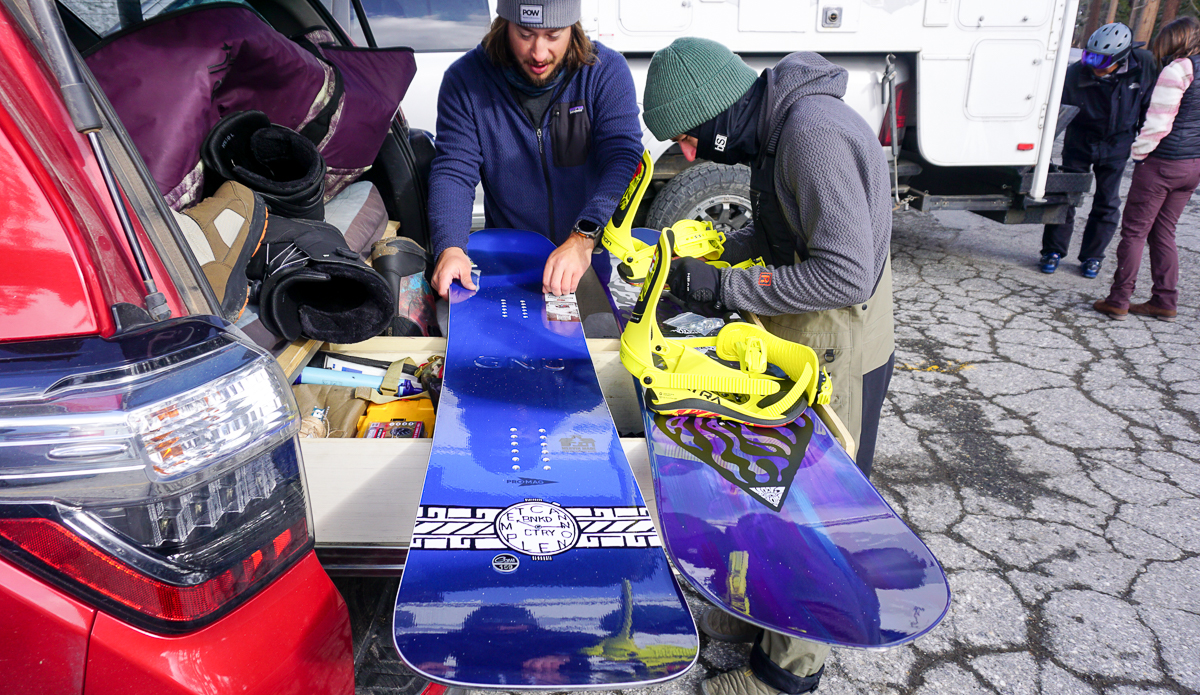
The Pit Crew setting up bindings for our annual test! Photo: Will Sileo//The Inertia
How We Tested Snowboard Bindings
This round of snowboard bindings was tested over the course of two seasons, and the bulk of the testing was completed at The Inertia’s 2025-26 Mammoth Mountain Snowboard Test. We tested each option in a variety of conditions, from hard-packed groomers to soft powder. Because the bulk of testing, comparison, and photography was completed at Mammoth, conditions included softer afternoon snow, icy morning snow, and fresh cut corduroy higher up the slopes. For each pair of snowboard bindings, ease of setup, adjustability, comfort, fit, and above all, performance, were all considered during this test. We’re very confident that we assessed and awarded the best of the best in this test.
Snowboard Binding Testing Team
Nathan Lemin took the lead on snowboard binding testing and contributed two decades of snowboarding knowledge to this test. He is particularly interested in the trend toward fast entry, step-on, and step-in bindings, and will be taking a closer look at available options in a new guide later this winter.
Heather Hendricks has been holding down the fort on the women’s snowboard testing, and she contributed women’s picks and insight.
Will Sileo rounds out our binding testing team and contributed mightily during our two primary snowboard gear testing trips.
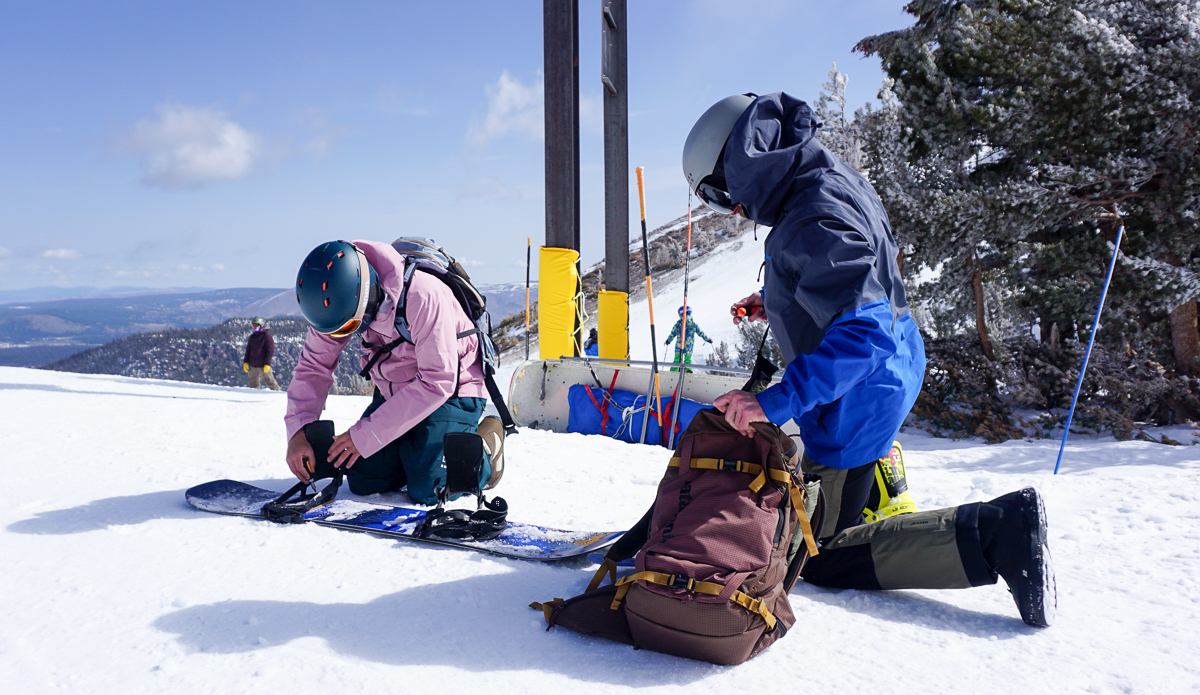
On the fly adjustments are part of the game—the easier the better. Photo: Will Sileo//The Inertia
Snowboard Bindings Buyer’s Guide
Choosing the right snowboard bindings can make or break your day on the mountain. Whether crushing lines in the backcountry or stacking clips in the terrain park, finding the right fit for your style and needs is essential. Here are the most important factors to consider when purchasing snowboard bindings:
Riding Style
Your riding style is the first thing to consider when choosing bindings. Different styles require different features, such as flex, durability, and cushioning.
Freestyle/Park Riders: If you’re spending most of your time in the park, look for bindings with a soft/medium flex that allows for easier tweaking, buttering, and jibbing. A great option here is the Bataleon Blaster AW FASE binding, which offers a playful, forgiving flex plus a quick-entry system.
All-Mountain Riders: For those who like to ride the entire mountain, a medium/stiff flex binding is ideal. These bindings offer the versatility to handle groomers, powder, and even some park laps. Some top picks here are the Union Force and Season Meld—designed for all-mountain riders who demand both response and comfort across varying terrain.
Freeride/Big-Mountain Riders: For advanced riders bombing steep lines and seeking precision in every turn, stiff flex bindings offer more responsiveness and control. Again, the Jones Mercury FASE is one of the best bindings for big-mountain riders, offering unparalleled responsiveness for hard-charging runs, but don’t miss the Burton Step On X Re: Flex, a truly capable big mountain step on.
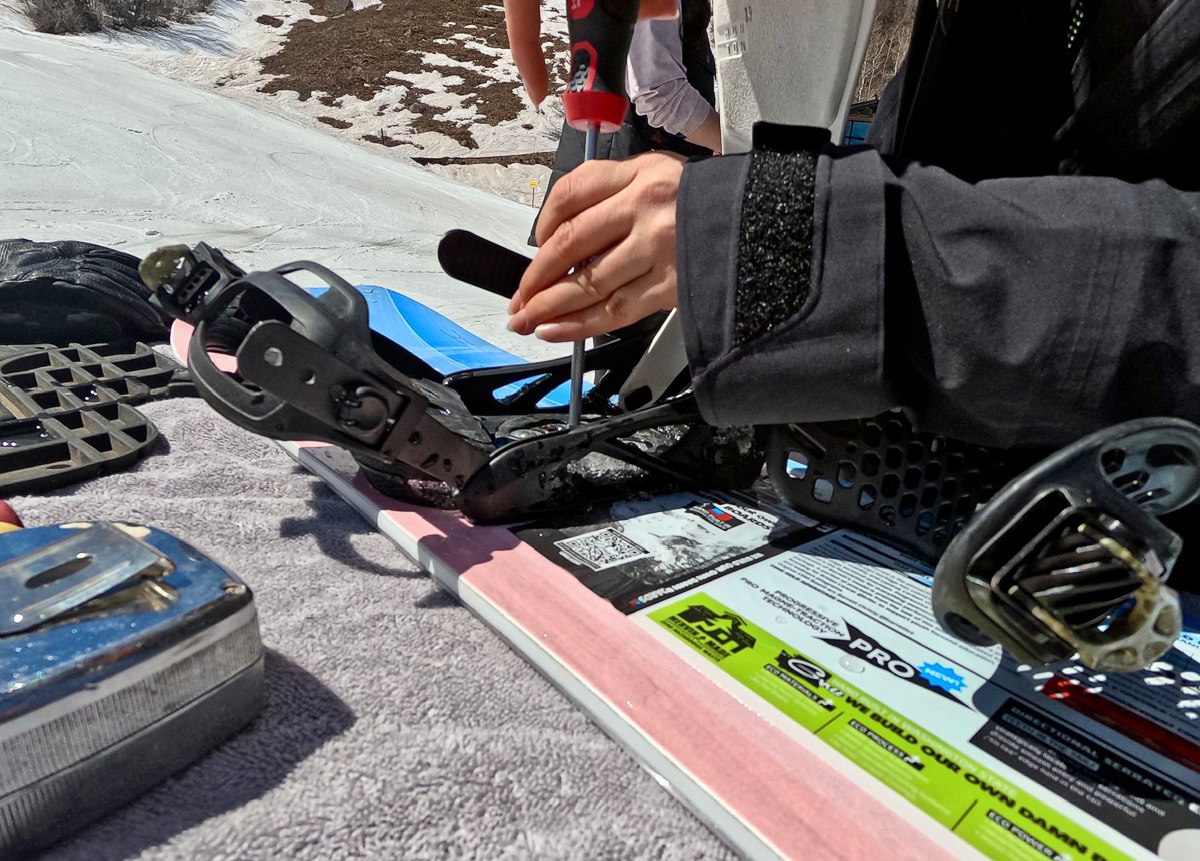
Dialing in your snowboard binding stance is critical for riding your best. Photo: Colter Hinchliffe//The Inertia
Flex Rating
Bindings come in various flex ratings, typically soft, medium, or stiff. Your binding’s flex should align with your board’s flex and your riding preferences.
Soft Flex: Ideal for beginners or park riders who want more forgiveness and maneuverability. The Bataleon Blaster AW FASE provides a softer flex, making it great for playful park laps or evolving riders.
Medium Flex: Best for all-mountain riders who want a balance of responsiveness and flexibility. Bindings like the Union Force and Ride Drone are great all-around options with a medium-stiff flex, perfect for intermediate and advanced riders looking for versatility.
Stiff Flex: Preferred by freeriders and backcountry adventurers who need precision and stability at high speeds. The Jones Mercury FASE, with its stiff flex, is a perfect example for big-mountain riders needing reliability and control in critical conditions.
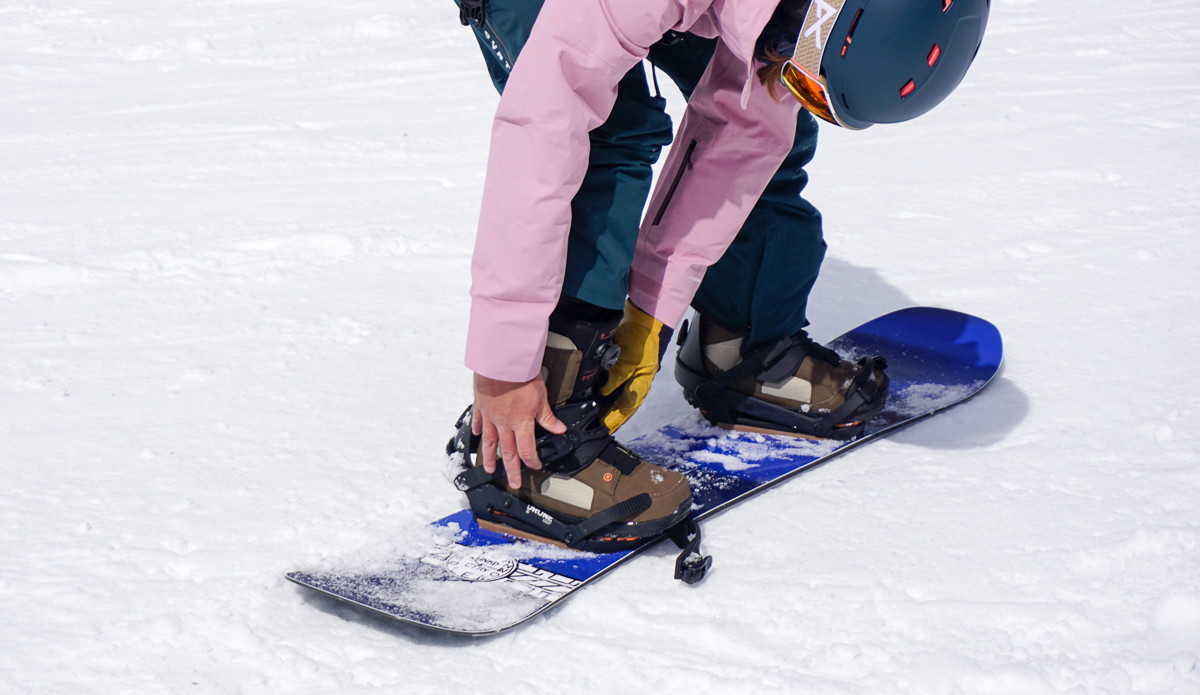
Traditional two-strap bindings are reliable and predictable. Photo: Will Sileo//The Inertia
Strap System
The strap system plays a key role in how secure and comfortable you’ll feel during your ride. There are three main types: traditional two-strap, Step-On systems, and hybrid step-ins.
Traditional Two-Strap Bindings: This is the most common system, offering adjustability and customization. The Union Force and Ride Drone bindings use this tried-and-true system, offering tool-free adjustments to tweak fit and feel on the go.
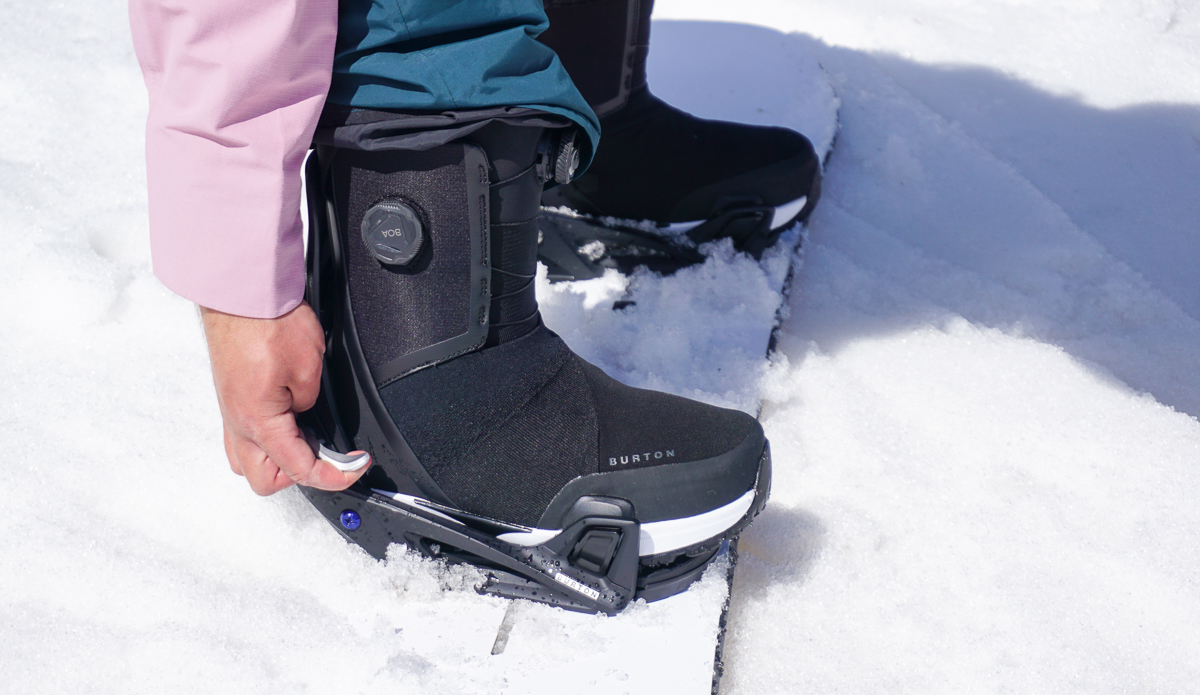
Burton’s Step On System is pretty much the easiest entry and exit binding setup in snowboarding. Photo: Will Sileo//The Inertia
Step-On Systems: For those who value speed and convenience, Burton Step On X Re: Flex bindings eliminate straps entirely, letting you click in and ride without fussing with buckles. These are particularly great for riders who don’t want to waste time strapping in.
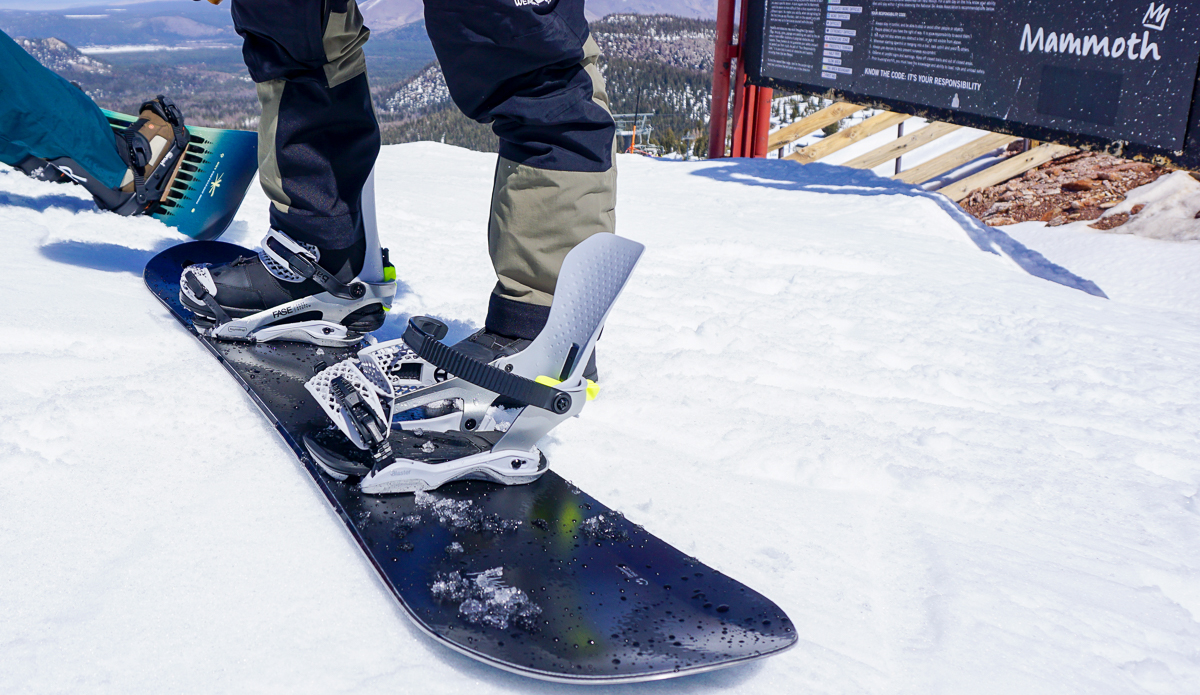
The new FASE system combines the best elements of both two strap and step in systems. Photo: Will Sileo//The Inertia
Hybrid Step-In Systems/FASE: If you love the convenience of step-ins but want to use regular snowboard boots, consider a hybrid system like the Nidecker OG Supermatic or Jones Mercury FASE. These bindings give you the ease of step-ins while maintaining compatibility with most traditional boots.
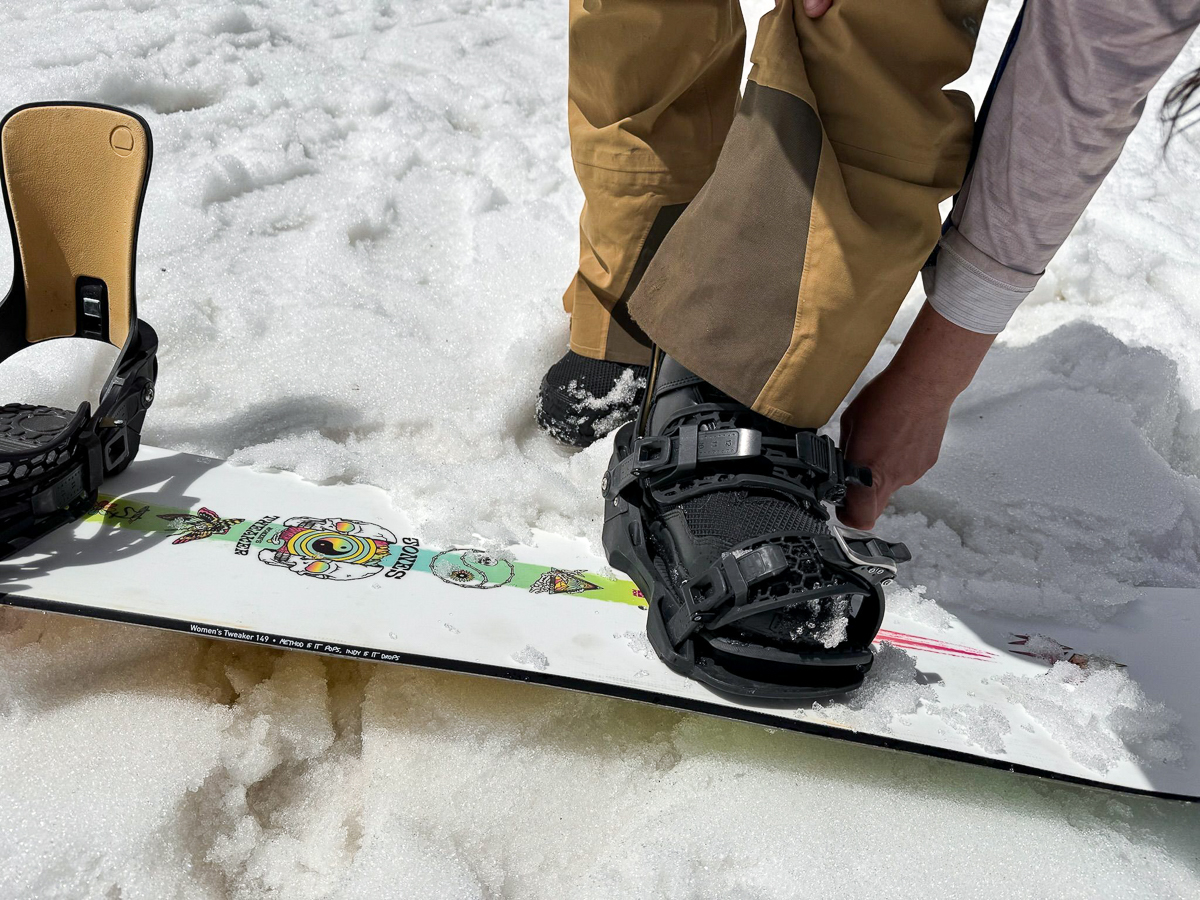
High-quality foam footbeds and adjustable baseplates alter the feel and riding style of snowboard bindings. Photo: Colter Hinchliffe//The Inertia
Baseplate and Shock Absorption
Your bindings’ baseplate connects you to your board, and its construction influences the board’s flex and the amount of shock you’ll feel. Riders who hit big jumps or ride rough terrain should look for bindings with good shock absorption.
Cushioned Baseplates: If shock absorption is a priority for you, the Nitro Phantom bindings feature a canted footbed, which naturally aligns your knees and legs for a more comfortable stance while offering excellent cushioning for big landings.
Durable Baseplates: For durability and responsiveness, the Union Falcor features a carbon-injected baseplate, providing superior strength without sacrificing flex and comfort. It also has foam bushings coming out on either side, ensuring a smooth energy transfer in every direction of the board.
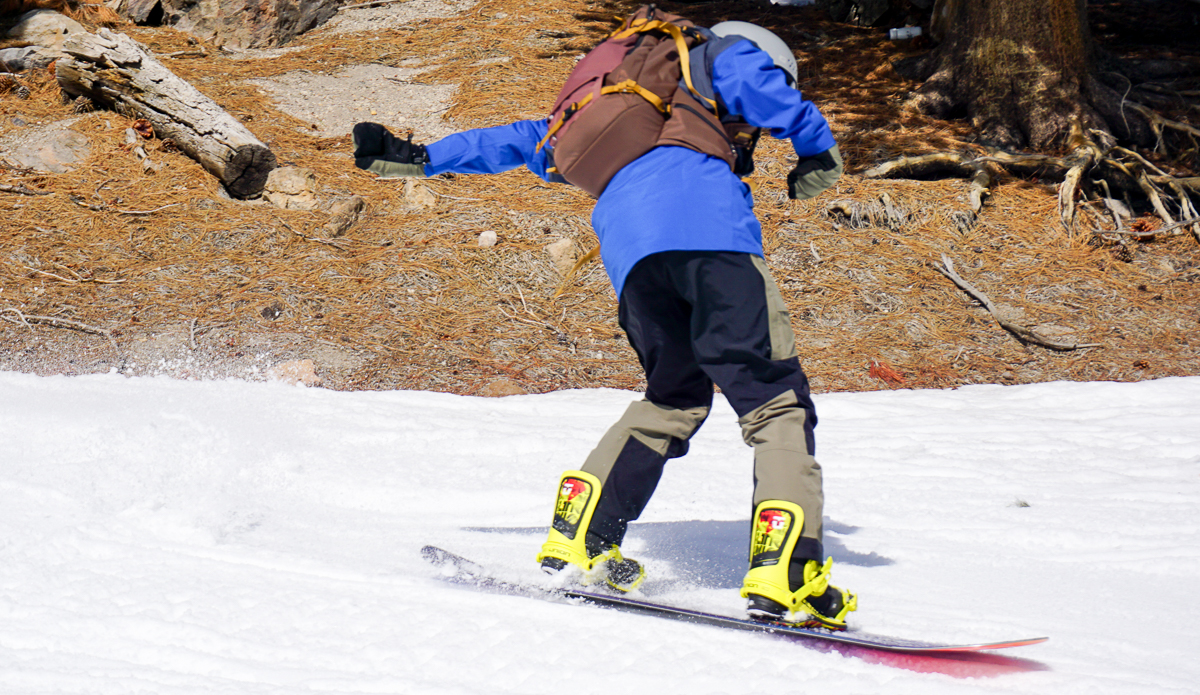
Engaging your highbacks is how you initiate turns, hold an edge, and control your board. Photo: Will Sileo//The Inertia
Snowboard Binding Highbacks
The highback is the vertical plate on the back of the bindings and plays a major role in how much control and support you have over your heelside turns.
Adjustable Highbacks: Look for bindings with adjustable forward lean, allowing you to customize your ride. The Arbor Cypress features a responsive, adjustable highback that offers great support for deep carves and quick heel-edge turns.
High Stiffness for Freeriding: If you’re riding steeper terrain, stiffer highbacks provide better control. The Jones Mercury FASE offers a stiff highback with a reinforced ridge running through it, perfect for riders pushing their limits, and the Burton Step On X Re: Flex has carbon fiber, reducing weight and adding rigidity.
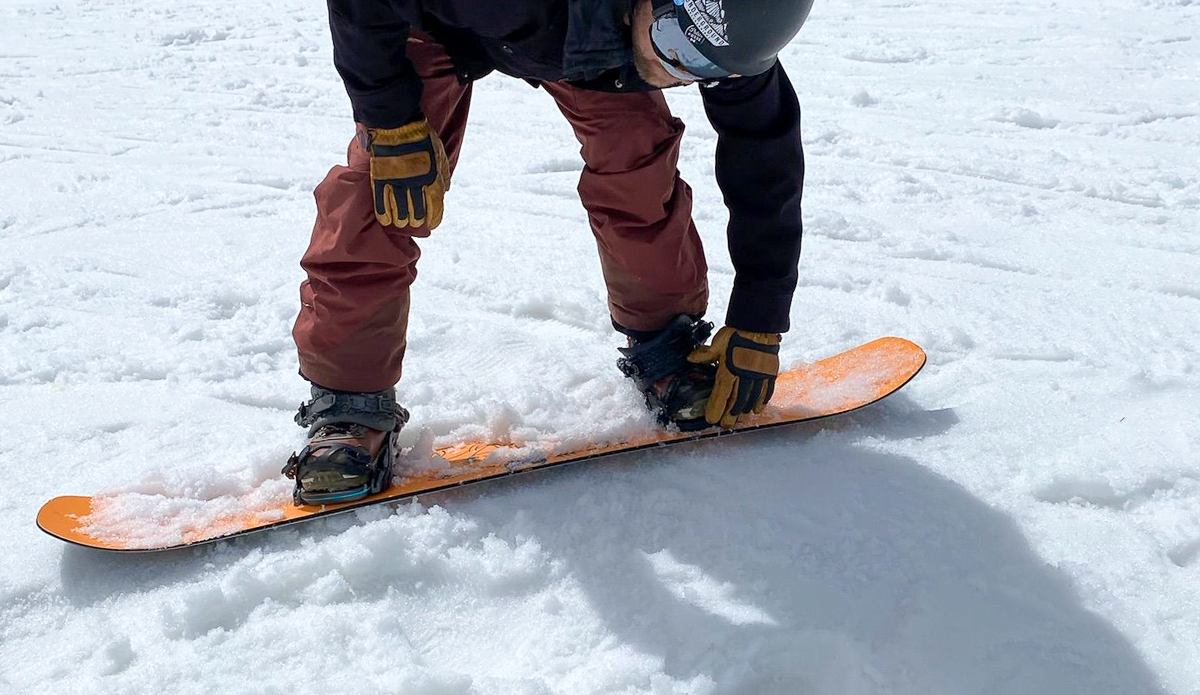
Snowboard bindings connect you to your board—make sure they’re up to the task. Photo: Colter Hinchliffe//The Inertia
Weight
While heavier bindings can offer more durability, lightweight bindings are often preferred by riders seeking less fatigue, especially during long days on the mountain or in the backcountry.
Lightweight Designs: For riders who value a lightweight setup, the Spark Surge ST is one of the best options for backcountry touring, with its minimal weight ensuring you don’t get weighed down on long ascents. The Burton Step On X Re: Flex is super lightweight, both due to its lack of straps and carbon fiber construction.
All-Day Comfort: For an all-mountain setup that won’t feel cumbersome, look for bindings that are lightweight yet durable, offering a comfortable ride over extended sessions. We found the Ride Drone was super comfortable for all-day riding.
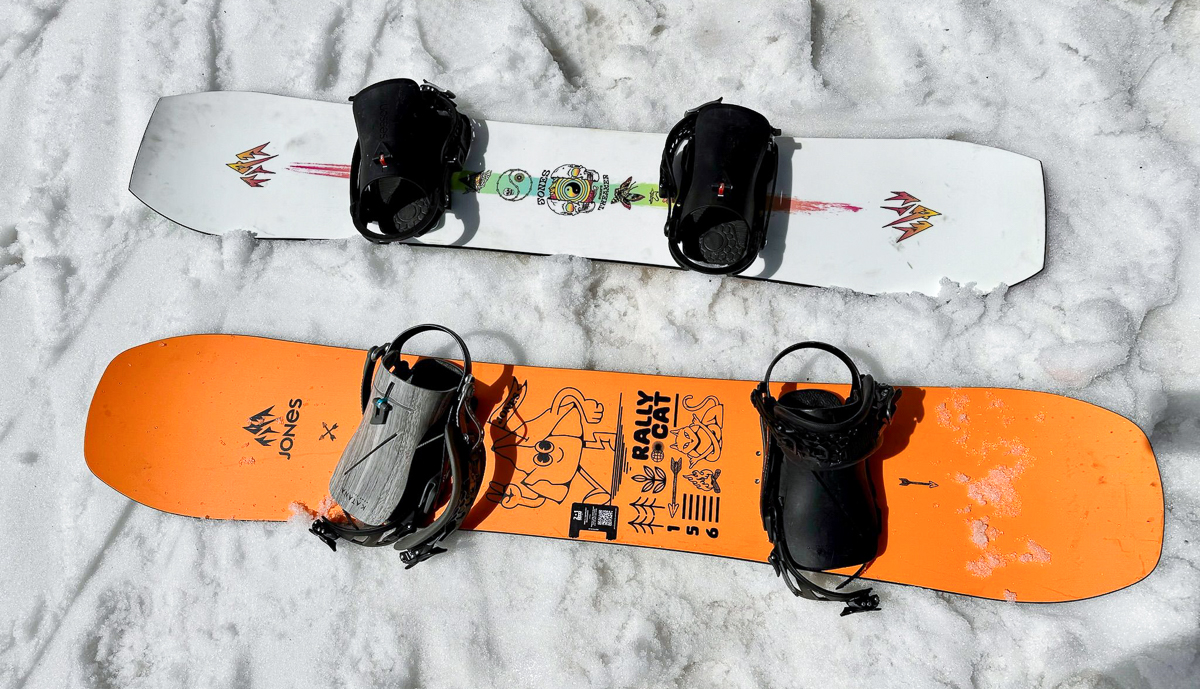
From aggressive and stiff bindings to surfy and soft options, we tested em all! Photo: Colter Hinchliffe//The Inertia
Price
Snowboard bindings come in a wide range of prices, and it’s important to balance performance with your budget.
Budget Options: If you’re looking to get quality bindings at a lower price, the Season Meld bindings are an excellent choice, offering great performance at a more affordable price point.
Premium Options: On the other end of the spectrum, bindings like the Union Falcor or Jones Apollo Pro come with premium features and materials for riders willing to invest in top-tier performance.
When choosing snowboard bindings, it’s essential to match the features to your riding style, needs, and budget. Whether you’re looking for a backcountry-specific binding like the Spark Surge ST, a high-performance all-mountain setup like the Union Force, or an easy-entry system like the Burton Step On X Re: Flex, understanding these key factors will help you make the right choice.
Return To: Top Picks | Comparison Table
Editor’s Note: Don’t miss our guides to the Best Snowboards, Best Women’s Snowboards, and Best Snowboard Boots. For more gear reviews and features on The Inertia, click here.

Best Women's Snowboards of 2026


