The privatization of the UK water supply in 1989 has led to untreated sewage being dumped into English waterways at least 1,600 times. Every day. For the last 20 years. A powerful new television show exposes the scandal, the deaths that resulted and serves as a warning to the rest of the world.
At the end of the third and final episode of Dirty Business a new factual drama from the UK’s Channel 4, the actor playing Ashley Smith, a campaigner who inspired the series, stares down the camera.
“The private water companies have got that cash, because they’ve built criminality into their business models,” said the retired detective superintendent. “It’s just like an organized crime syndicate. But far worse.”
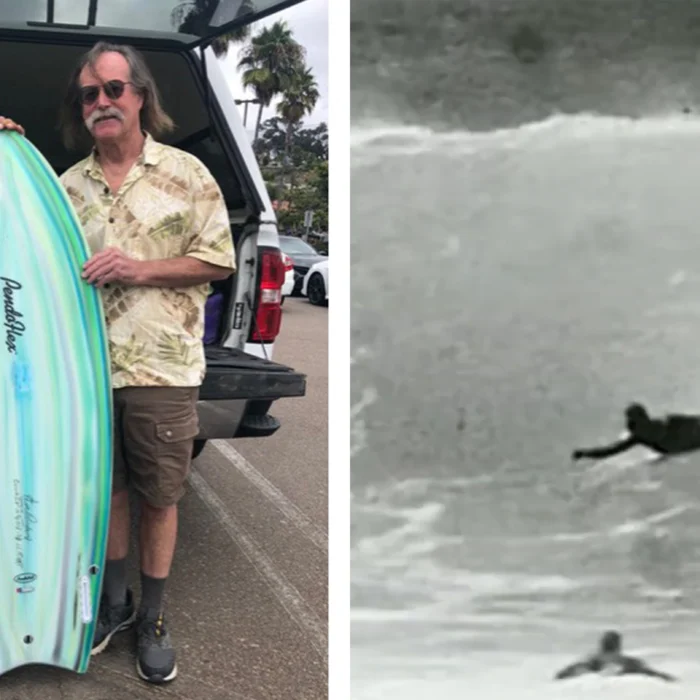
The drama investigates one of the biggest corporate and public health scandals in British history. Almost a decade ago, Smith and Peter Hammond, a retired professor specializing in machine learning, became two unlikely detectives after noticing that the fish in the river running through their idyllic Oxfordshire hamlet were dying.
Despite their efforts to compile and organize huge amounts of data relating to sewage spills, for both the water companies and their regulator, the Environment Agency, nothing was done. By 2024, untreated sewage was dumped into UK waterways at least 585,000 times. That’s an average of more than 1,600 times a day, or once every 54 seconds. And these were just the recorded spills; campaigners believe there could have been as many as one million sewage discharges. In spite of this, shareholders of UK water companies were paid £1 billion in dividends in 2023-24. Most of the water companies were privatized in the late 1980s. They created complicated offshore structures to minimize tax bills and paid high dividends while neglecting infrastructure.
One strand of the series follows Smith and Peter Hammond in their quest to obtain the data on the number and amount of sewage. It is a compelling tale of two ordinary men uncovering negligence, illegal pollution and corporate indifference. Eventually, they discover the regulatory body, who are supposed to police the spills, is financed by the water companies themselves. The true life baddie is Sir James Bevan, the chief executive of the Environment Agency from 2015 until 2023, who weakened water protection regulations and introduced self-monitoring, in which water companies were given the powers to report their own pollution. Spoiler alert: they didn’t. Bevan now works for another water company in Wales.
The other narrative strand is much more harrowing. It travels back to 1999, when Mark and Julie Preen had taken their two daughters on a beach holiday to Dawlish in Devon. Instead of clean waters, indicated by its Blue Flag status, eight-year-old Heather accidentally steps in the effluent pumping out of a pipe on the shore. Within two weeks, she had died a horrific, painful death from E coli O157 poisoning.
“From the beginning, the one thing I kept saying to the Dirty Business team was, it has to be real. We cannot sugar-coat this. We cannot make it palatable,” said Julie Preen, who has spent the last 25 years being an activist for cleaner water since the death of her daughter. “People said E.coli is just a tummy bug, being a bit poorly. It’s not. It’s a toxin that poisons children. It’s sinister. It’s dangerous. It’s not a pleasant death. I needed people to see that.” The team followed her wishes. The final scenes with Heather in the hospital are truly harrowing.
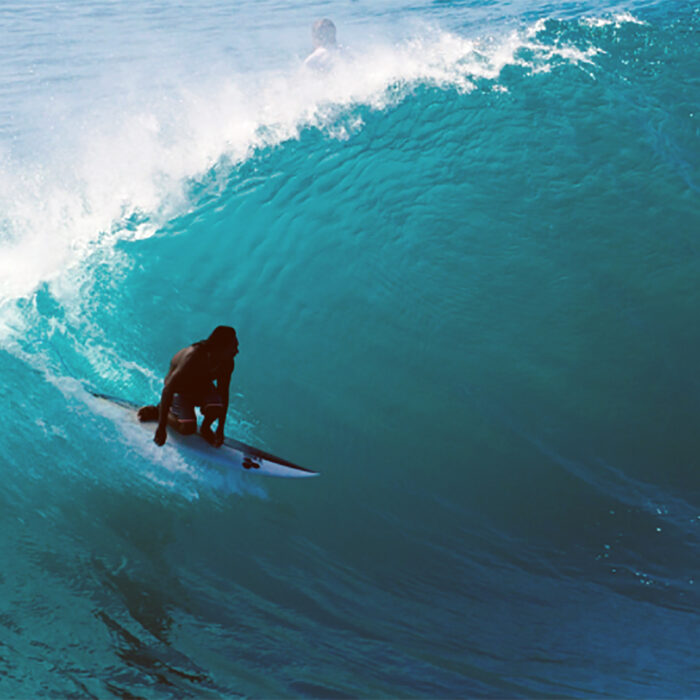
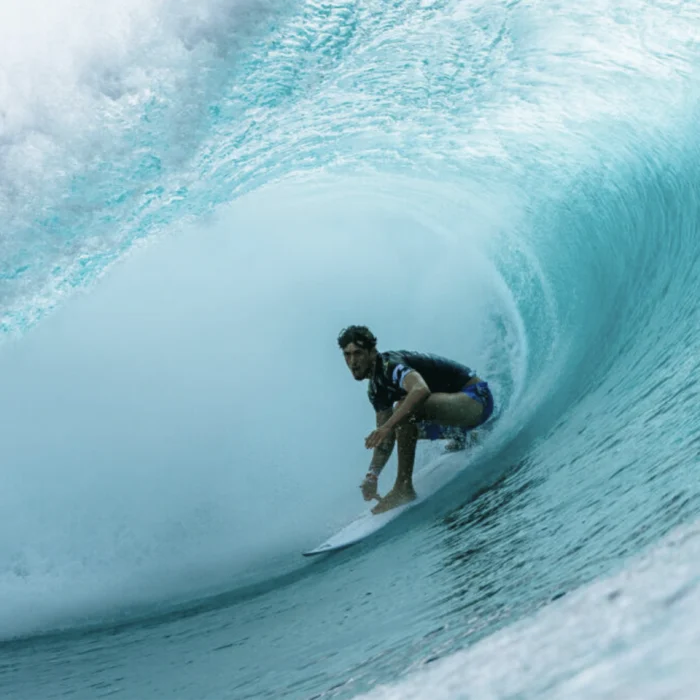
The series tells the stories of real whistleblowers and people who believe their lives have been destroyed after encountering sewage-polluted water. One is Reuben Santer, a keen surfer who moved to the North Devon coast because of the waves on the Atlantic Coast. It’s a painful watch as his life unravels after contracting Ménière’s disease, an incurable inner-ear condition he believes may be linked to surfing in sewage-polluted waters.
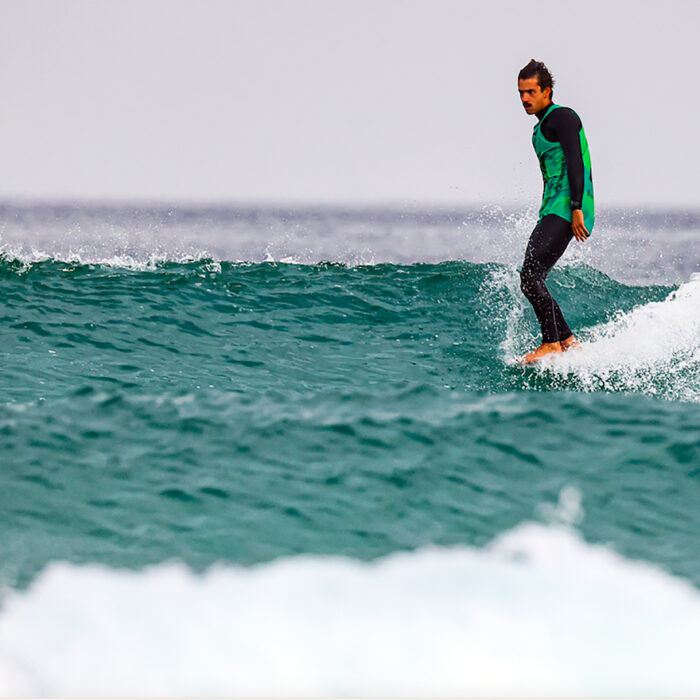
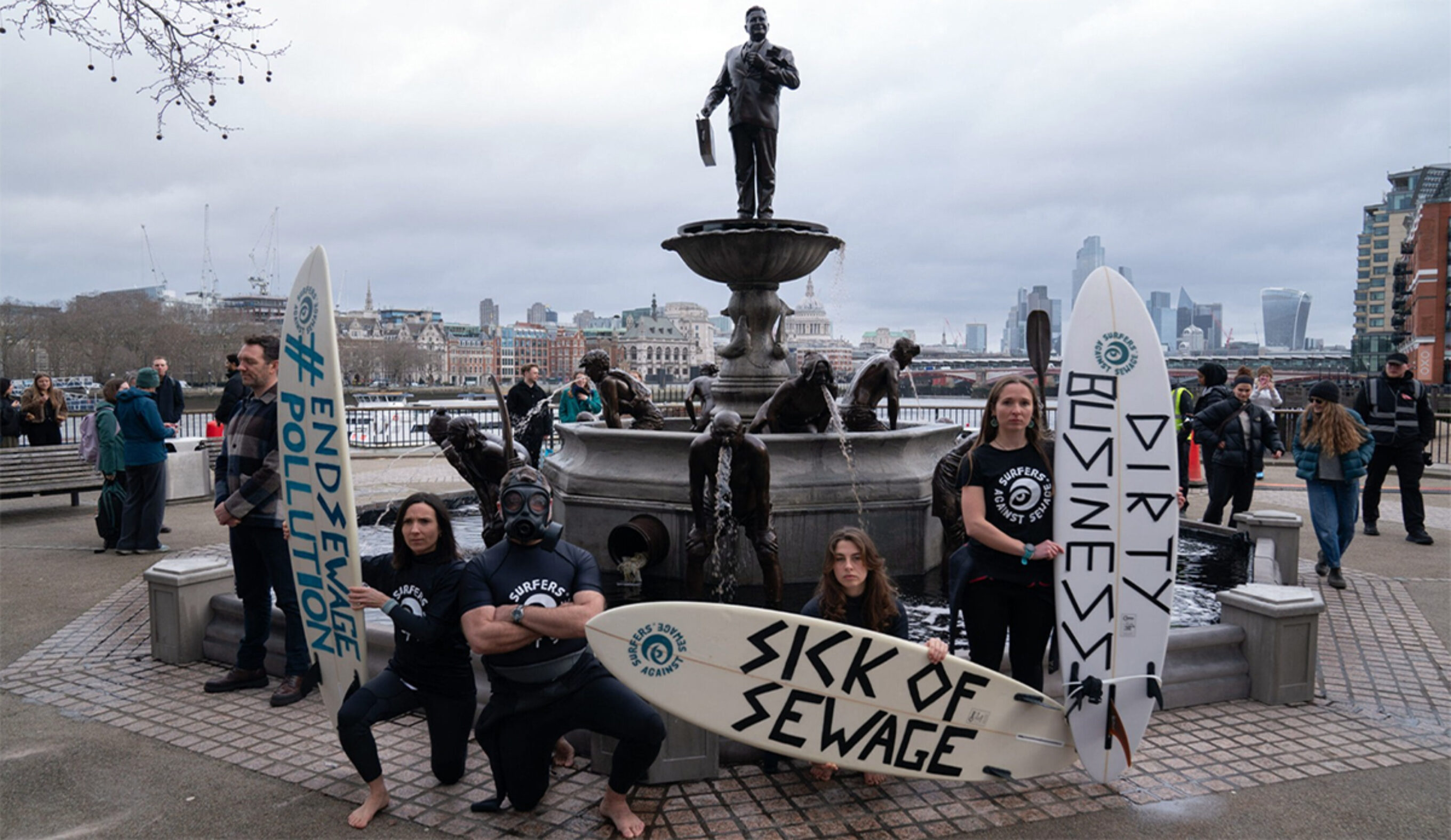
Former Under 18 British Champion Sophie Hellyer contracted pneumonia, pleurisy and other life-threatening complications that required emergency surgery after inhaling sewage-polluted seawater while surfing in north Devon in 2005. She has returned to surfing, but lives with reduced lung capacity and other long-term effects. Hellyer is a longtime ambassador for Surfers Against Sewage, who, like Smith and Hammond, are true heroes of the scandal who have fought incessantly to highlight and try to stop the water pollution. You can sign their petition to help keep up the pressure on the current UK government.
Dirty Business is a must-watch for anyone who has ever entered the ocean or has a passion for our waterways. It will make you emotional, angry and exasperated. That’s a good thing. Like the documentary Flint, which exposed one of the worst human-caused environmental disasters in American history, or Blackfish, which documented the treatment of orca whales in captivity, and Seaspiracy, which showed the environmental impact of commercial fishing, it’s designed to inspire action, propel change and hold people accountable.
“How many people have to die before someone thinks about the consequences? At the time, I said I didn’t want money, I wanted learning,” concluded Preen. “What are we going to do differently? How do we protect public health? All these years on, what happened to that? Why has my little girl been swept under the carpet?”
The show has ensured Heather hasn’t been forgotten by shining a bright, harsh and compelling light on the scandal, which is nowhere near done yet. Watch it, and take action.