In the ocean, the ghosts of the past still haunt us. Discarded fishing equipment, dubbed “ghost nets” have a habit of sticking around long after they have been abandoned. Even worse, they can continue to wreak havoc on the ocean ecosystems in which they become entangled – unless someone does something about it.
Which is where Healthy Seas comes in. Founded in 2013, the global nonprofit focuses on the prevention and cleanup of marine litter, with a particular focus on ghost nets. These efforts are combined with programs to recycle the recovered litter into new textile yarn and nylon material – ensuring the recovered plastic doesn’t make it back into the ocean.
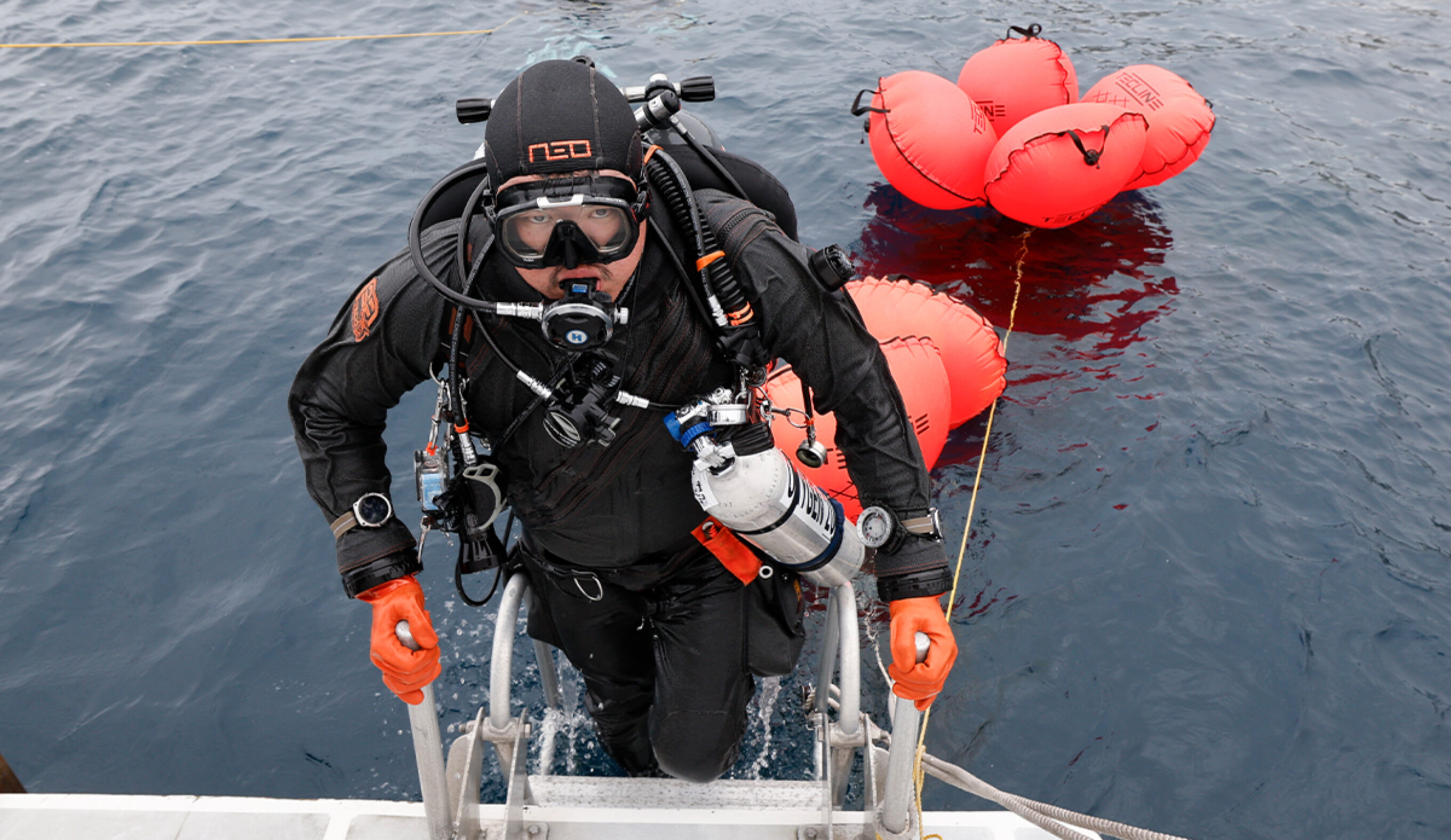
Since 2021, Healthy Seas’ mission has been augmented by a partnership with Hyundai. Together, they have removed over 320 tons of marine litter, which Hyundai then recycles into floor mats for its cars. That partnership recently took Healthy Seas on a recovery mission to Catalina, where their volunteer divers ventured down to a shipwreck to try and rid the ocean of those persistent ghosts.
Afterwards, we asked HealthySeas’ Ramona Reichert and Hyundai’s Brandon Ramirez about the ongoing work and where the partnership will take them in the future.
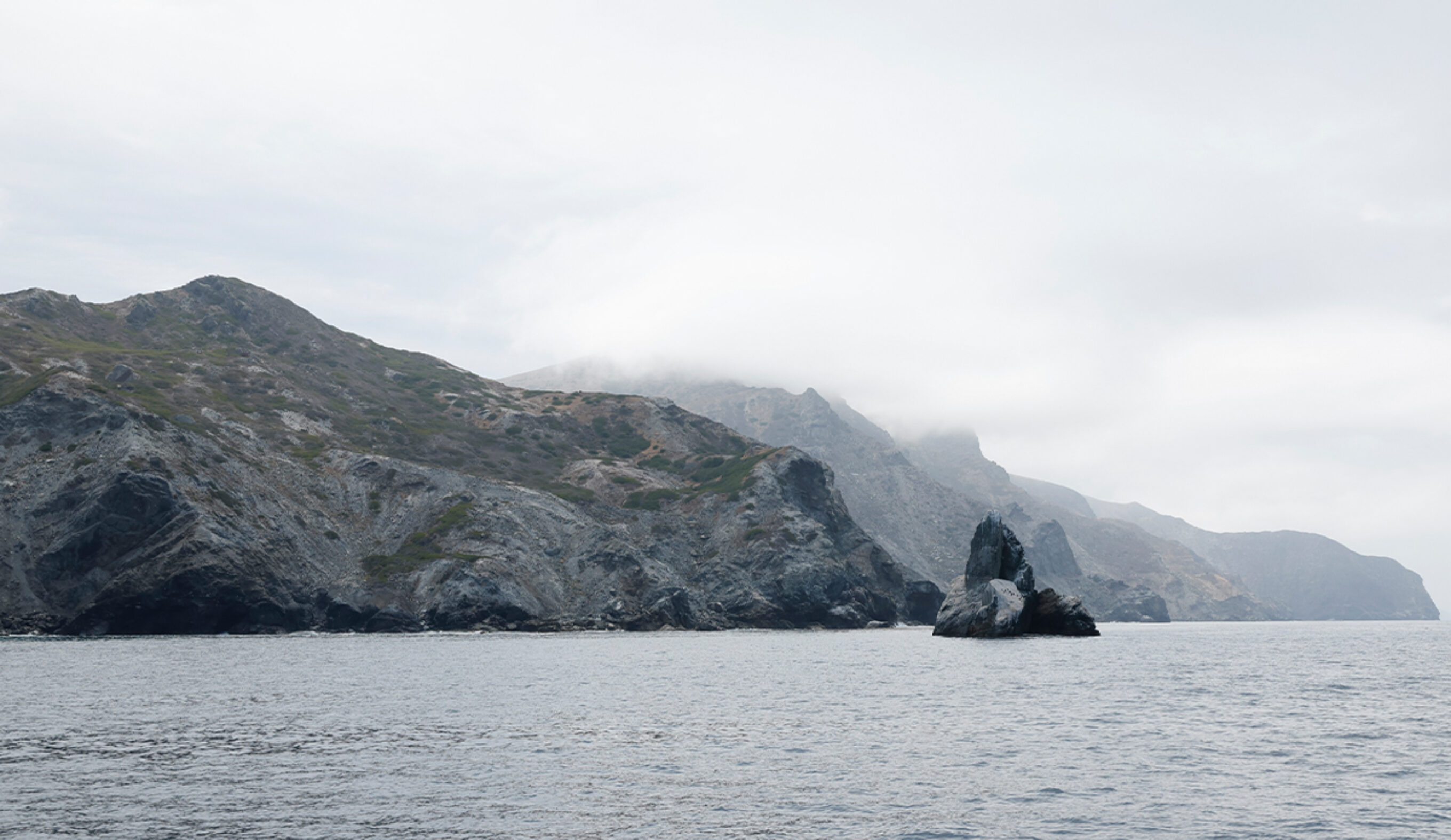
The latest retrieval mission went down in Catalina, off the coast of California. Photo: Hyundai
How do ghost nets end up abandoned?
Reichert: Various reasons: Often, fishing gear gets entangled in underwater structures such as reefs and shipwrecks. But also, other ghost gear can trap nets, making them difficult to retrieve and leading to further accumulation of marine debris. Unfavorable weather conditions such as a storm can lead to gear loss, and ghost gear can be sourced as well by illegal fishing, as unregulated fishers may discard their nets to avoid detection. Additionally, poor disposal practices, such as dumping damaged nets into the sea instead of properly discarding them worsens the issue.
What is their effect on the ocean ecosystem?
Reichert: Ghost nets entangle marine life, which is also known by the term ghost fishing. Ghost fishing reduces populations of already vulnerable species, disrupts food chains, and alters the balance of entire marine ecosystems, ultimately threatening biodiversity. Ghost nets can smother sensitive habitats such as coral reefs and seagrass beds, leading to long-term ecological damage. Over time, ghost nets degrade and release microplastics into the marine environment, further contaminating the food web and posing risks to marine life and human health.
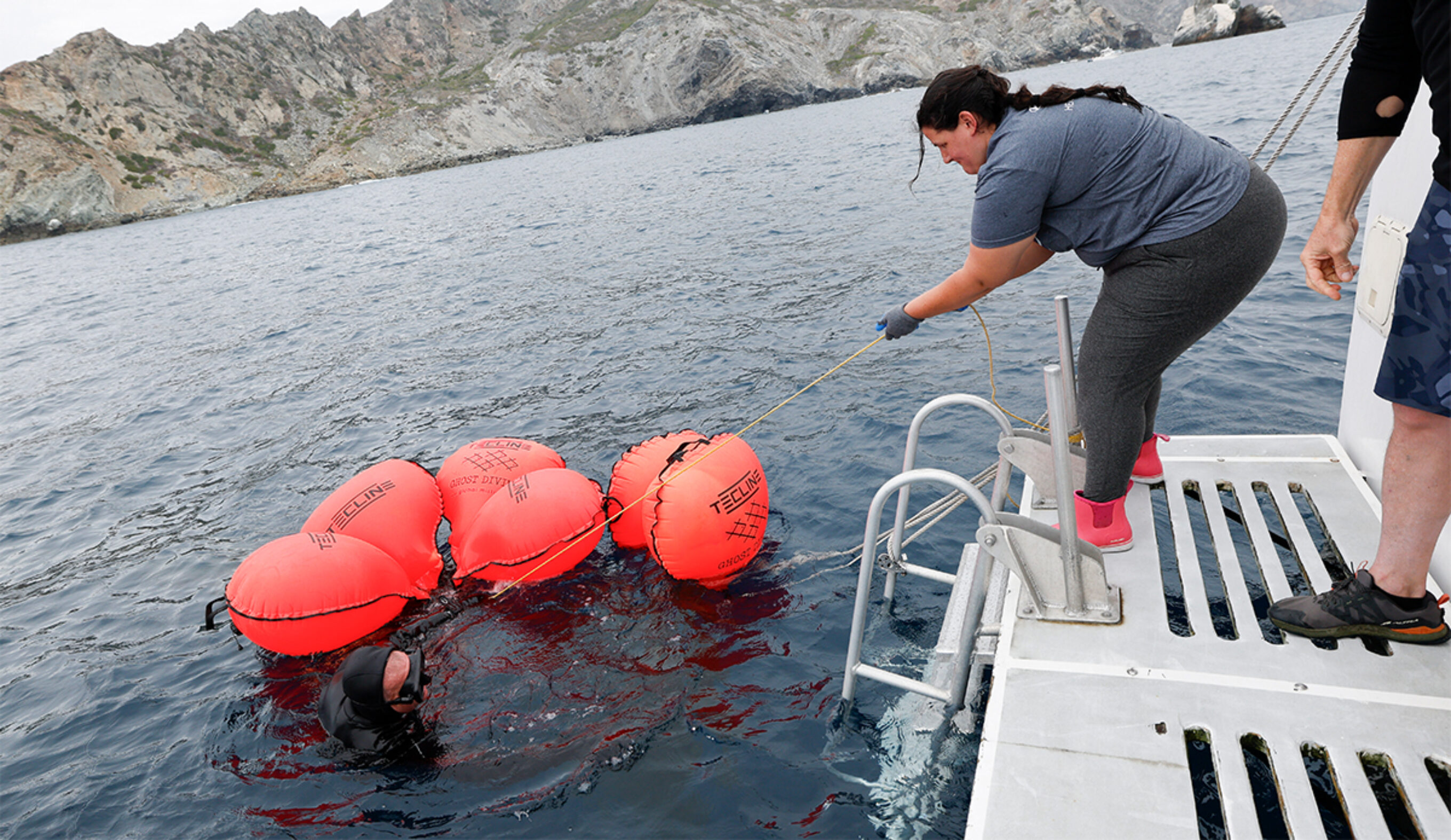
Tagged litter being hauled aboard. Photo: Hyundai
How much of the marine litter you encounter is from commercial vs private sources?
Reichert: It’s hard to say how much exactly is from commercial or private sources, as we’re not able to trace nets and other marine litter (e.g. Styrofoam) back to its original source. Nevertheless, as we’re specializing on ghost gear removal and ghost farm clean ups, the vast majority of marine litter we remove is assumed to be from commercial sources. Occasionally, we encounter small pieces of fishing lines, sinkers and lost octopus/crab traps in small quantities which could have also been left behind by individuals – as well as the occasional plastic bottle or car tire.
How do you find the sites you recover nets from?
Reichert: Often times nets are entangled around underwater structures such as big rock formations, reefs or wrecks. This is due to two reasons: vertical structures attract marine life as they serve as (artificial) reefs providing shelter, food and protection which again attracts fishermen and fishing gear tends to get entangled in those structures as these are an obstacle when lost/abandoned nets drift along or are being actively pulled over the area with the structure. Therefore, when diving around such an underwater structure the chance of finding ghost gear is very high.
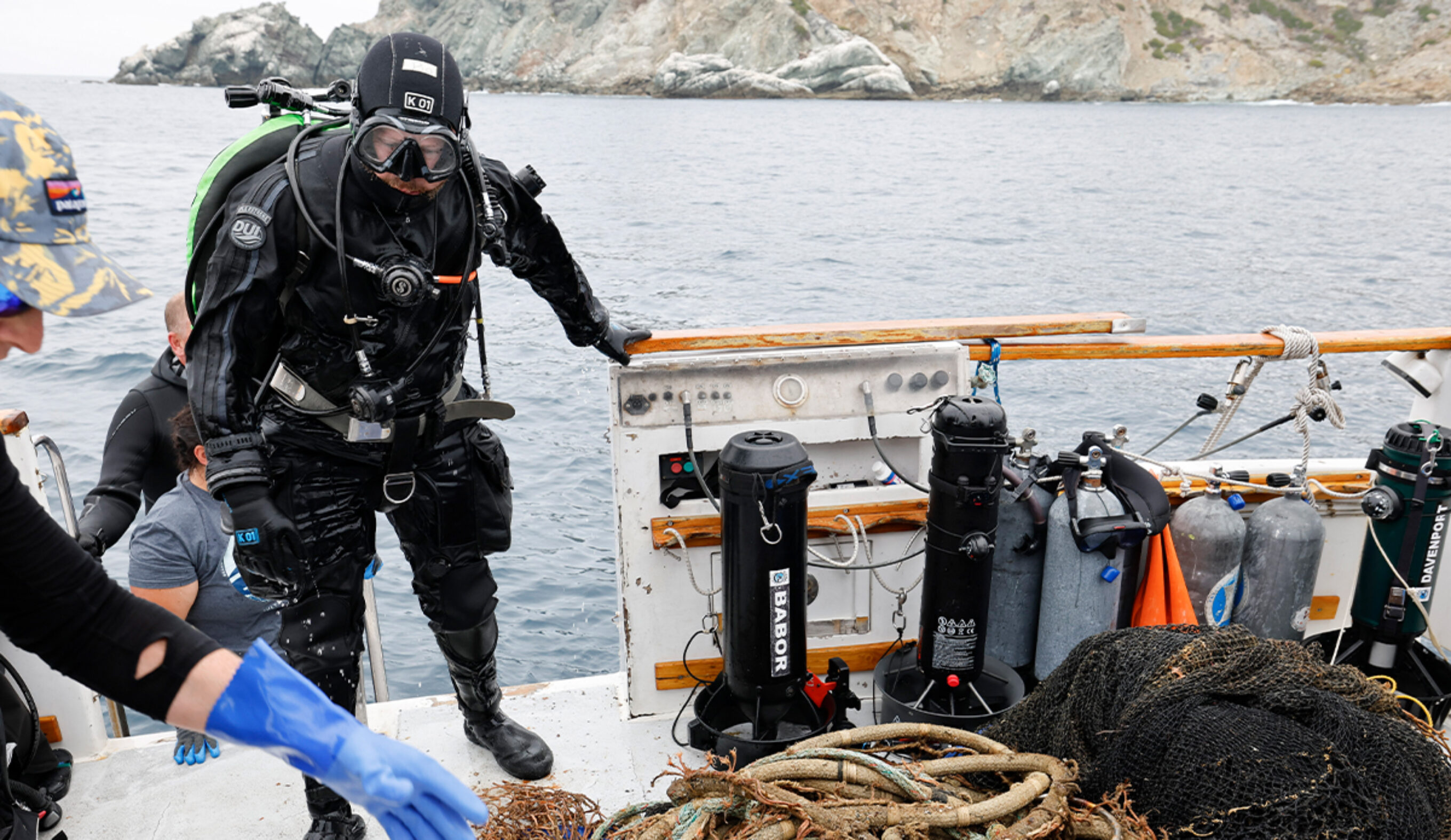
Healthy Seas is crewed by volunteer divers who work tirelessly to retrieve “ghost nets.” Photo: Hyundai
Who crews the dives?
Reichert: Dives are conducted by volunteer divers with a high level of technical training to ensure proper dive planning, a high safety standard and success rate for litter removal during the dive missions.
How are the nets recycled for use in Hyundai cars?
Ramirez: Waste from cleanup operations is sorted, and suitable recovered fishing nets are sent to Aquafil, where they are regenerated into ECONYL® yarn alongside other discarded nylon materials. This thread is used to create new products, such as car floor mats used in European versions of Hyundai vehicles, including IONIQ 5, IONIQ 6, IONIQ 9, INSTER, and SANTA FE.
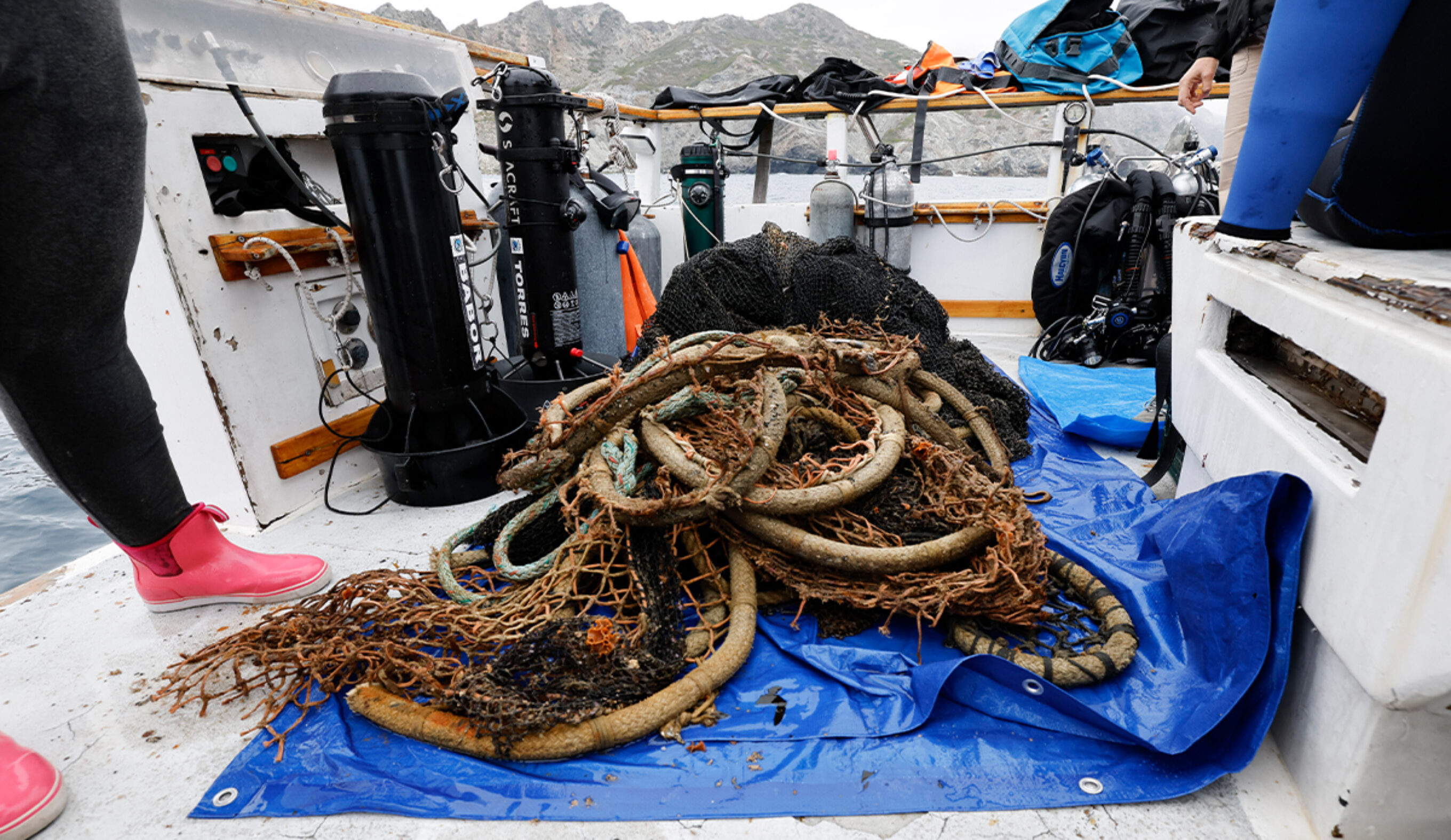
The retrieved nets are then repurposed into recycled materials. Photo: Hyundai
How can we prevent these nets from ending up in the ocean in the first place?
Reichert: As the reasons behind the ghost fishing phenomenon are so diverse, ranging from unexpectedly bad weather, accidents on board, freeing bigger marine life such as accidentally entangled marine mammals or sharks as well as deliberately abandoning end-of-life fishing gear, there is no one size fits all answer. One thing that can be addressed, is raising awareness and education regarding the impacts of ghost gear on fish stocks and habitat in the fishing industry to minimize the amount of fishing gear that’s abandoned on purpose.
Are there any plans for further expansion or development of the program going forward?
Ramirez: Hyundai is proud of our partnership with Healthy Seas and the meaningful impact it continues to create for communities and marine ecosystems around the world. As part of Hyundai’s commitment to a more sustainable future, we are always exploring opportunities to deepen and expand initiatives that align with our vision of Progress for Humanity.