
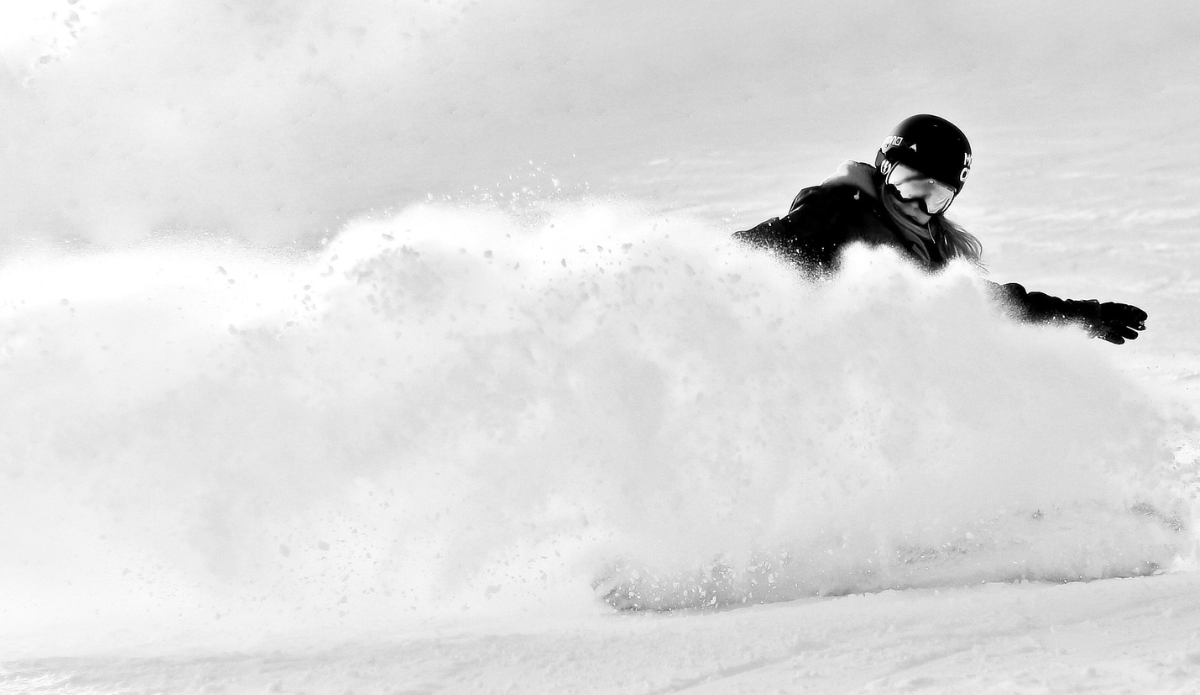
Alesia Kazantceva / Unsplash

It’d be tough to find a ski resort on the planet where people without helmets outnumber the people wearing them. It’s one of the single largest shifts in safety adopted by everyday skiers and snowboarders in this generation. It’s not just a safety trend the masses got on board with in Italy, however, it’s now actually required by law.
As of November 1, 2025, all skiers, snowboarders, and even tobogganers are required to wear CE-certified helmets (Conformité Européenne), which certifies that a product has met EU health and safety standards, on Italian slopes. The new designation this winter has upped the ante, where the law began with riders under 14 years old, then anybody under 18, it now applies to people of all ages, including international visitors. Breaking the rule and riding without certified headgear can result in getting your pass pulled for up to three days or a fine of €200 ($235 USD).
Italy’s the first country to enact a mandate like this for people of all ages, but it’s not the only safety measure they’ve put into law on the slopes. Public mandatory liability insurance began in 2022, for example, requiring all skiers and snowboarders to have third-party coverage. It’s required to carry proof of coverage on the slopes. Failure to do so could get you fined between €100 and €150 ($175 USD), and you could have your pass pulled.
Italy also has a .5 percent blood alcohol content (BAC) limit on the slopes, which is the same limit enforced for drivers there. That was also put into law on January 1, 2022, alongside the requirement for liability insurance and raising the age limit on helmets to 18. Technically, it’s illegal to ride a chairlift or ski in most places while drunk, including the U.S., but Italy is unique for imposing a specific BAC limit.

