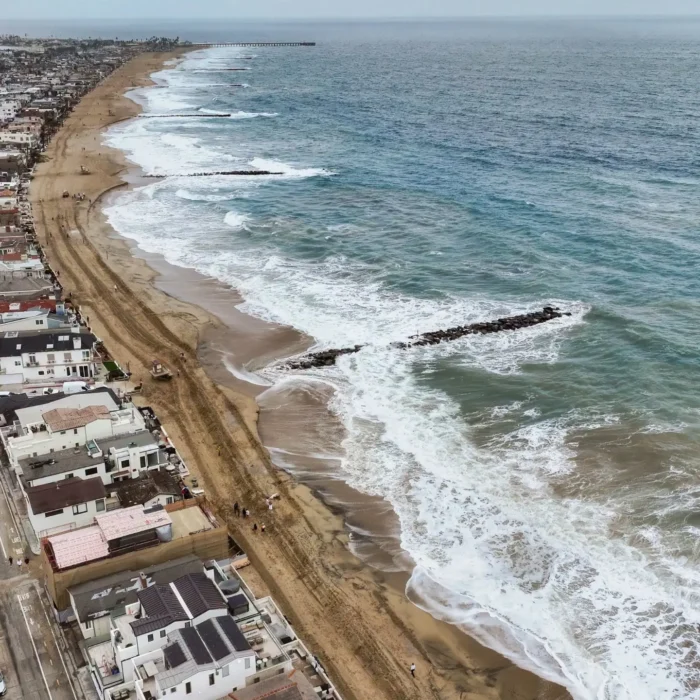
As El Niño conditions continue to ramp up in the Pacific, scientists are watching with morbid fascination. The peak of a lunar tidal cycle combined with a Kelvin wave raised sea levels to heights never before experienced in October in California. And if you toss a winter storm into the equation, the effects could be devastating.
A new study from UC Davis has identified which areas on the California coast are most vulnerable to this winter’s unprecedented rising seas. From Humboldt County to the surf breaks of Santa Cruz, and from some of the state’s busiest airports to the Central Coast, the report highlights six regions most at risk of devastating flooding, beach loss, erosion, and infrastructure loss.
The six areas are as follows:
- San Luis Obispo County: Avila and Pismo Beaches
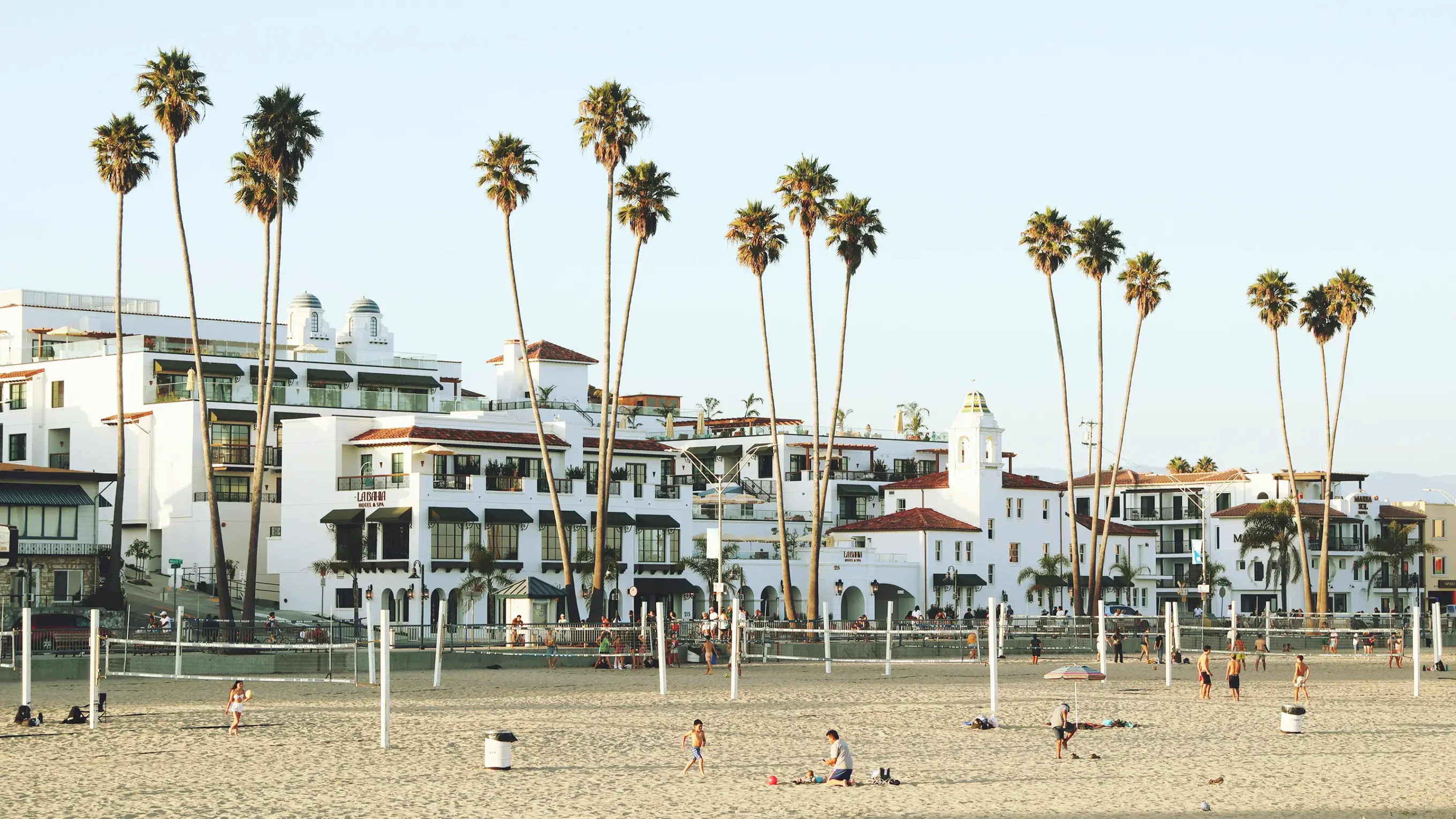
- Monterey Bay: Santa Cruz, Elkhorn Slough, Moss Landing
- South San Francisco Bay, including SF International Airport
- North San Francisco Bay: Corte Madera, San Rafael, Highway 37
- Stinson Beach
- Humboldt Bay
The report says that El Niño will exacerbate sea levels that have already risen by a foot due to climate change. And by 2100, seas could be 36’’ to 66’’ higher.
To prepare for the impacts, our infrastructure needs to adapt faster, the report says.
“Infrastructural and living systems adaptations will need to occur to avoid a wholesale change in the marshes, estuarine systems, low-lying urban areas, and exposed highway infrastructure along the U.S. coast,” the report reads. “Transportation system and coastal ecosystem changes occur slowly and may not adapt at the rates necessary to keep up with increased sea levels and storminess.”
“Many coastal communities and infrastructural features face risks from storms in the form of flooding, erosion, and shoreline retreat,” it continues.
The effects in Santa Cruz could have profound impacts on surf conditions, as the city’s premier spot, Steamer Lane, grapples with severe erosion. And while storms moving sand around could enhance some surf spots in the town, many could suffer without a buffer to protect the cliffs from the power of the ocean.