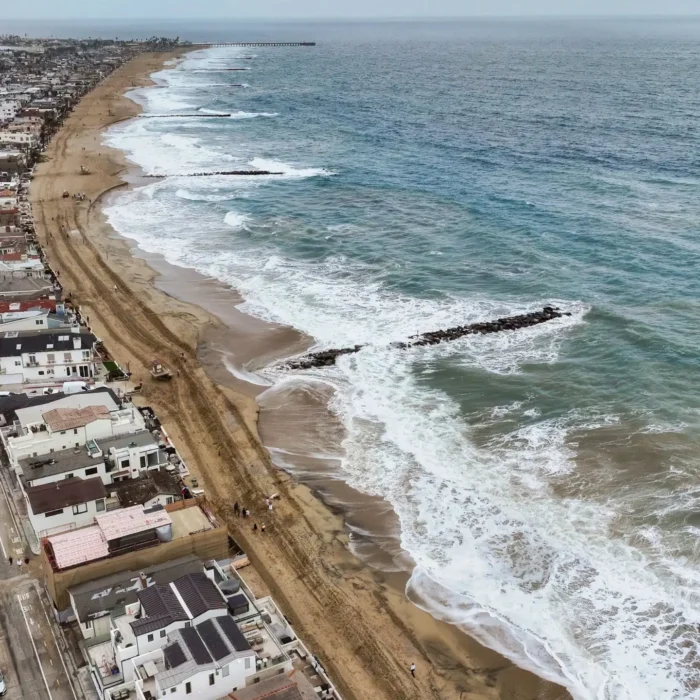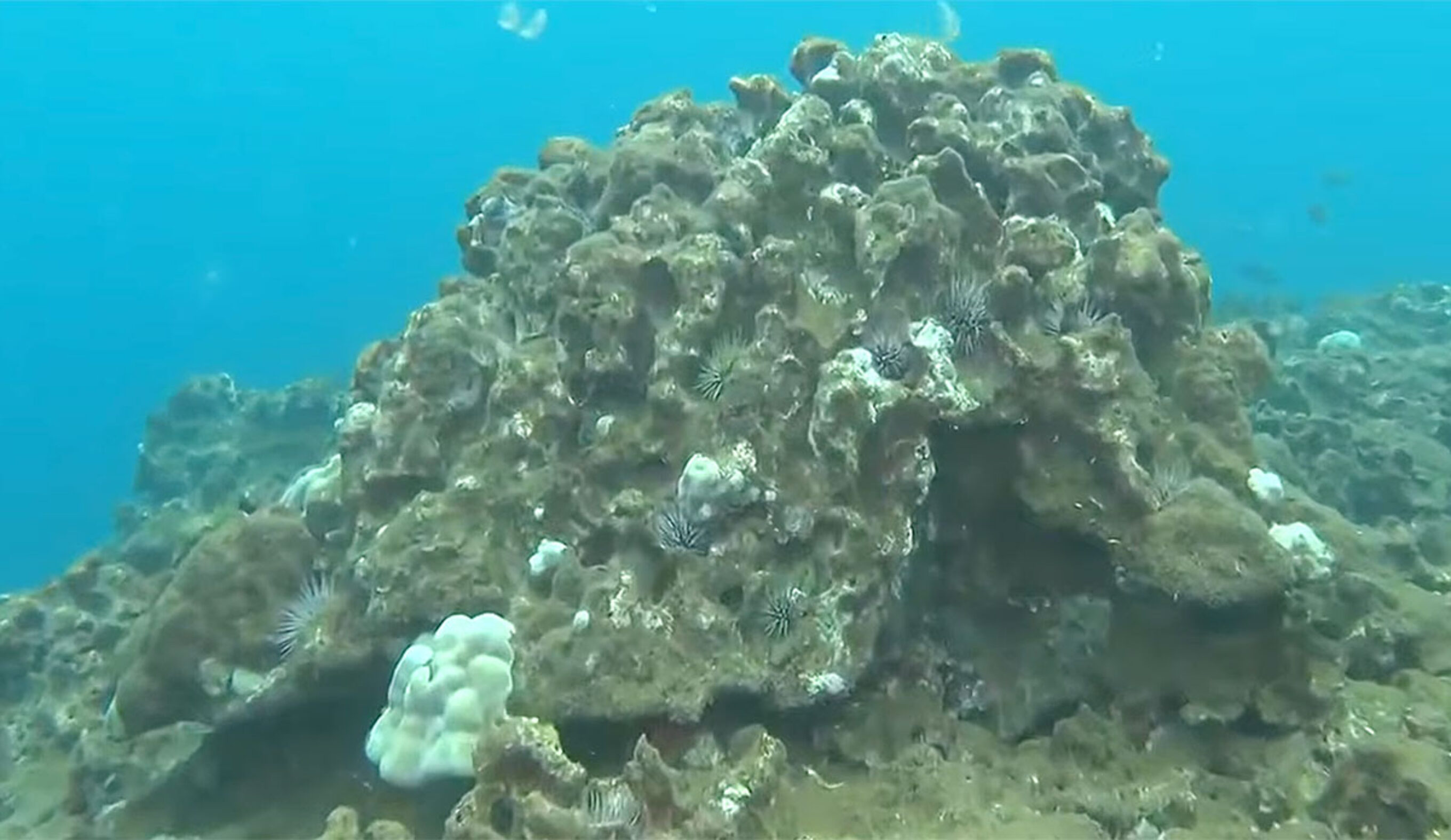
The devastating floods on the North Shore from the Kona low storms that hammered much of Hawaii have receded, but their effects are still being felt. According to reports, the coral reefs around Oahu’s famed North Shore are dying because of the amount of mud the storms deposited off the coastline.
“I’ve never seen in the last 20 years this much mud, in the water, along the North Shore,” marine biologist and North Shore resident Terry Lilley told Hawaii News Now. “Yesterday and today when I got done with diving, at 50 feet deep at Shark’s Cove, there’s still an inch of mud on the reef.”
Lilley has spent years focusing his research on Hawaiian coral reefs, and since March, he’s been keeping a close eye on what’s happening to the North Shore reefs from Sunset Beach to Haleiwa.
“If you suffocate the coral, it will kill the tissue that’s on top of the skeleton, and so what is left behind is that coral skeleton, which is limestone,” Nyssa Silbiger, an associate professor in the Department of Oceanography at U.H. Manoa, explained. “And that usually gets covered by algae pretty quickly.”
According to Lilley, corals have about three months of life left if they’re covered in mud. Now, it seems clear that they are struggling mightily. On his recent dives, he’s seen evidence of coral bleaching, a process that indicates the coral is in trouble. Coral bleaching occurs when they spit out the algae that lives in their tissues. That algae lives symbiotically with the corals, and is of vital importance to the ecosystem. Temperature, light, and drastic changes in nutrients can all cause coral bleaching. When the algae is expelled, the corals turn white, which is where the term “bleaching” comes from.
“Out of those bleached corals — now, it’s been, what, over three months since the Kona low — and about 95 percent of the bleached corals are either dead or starting to die,” said Lilley.
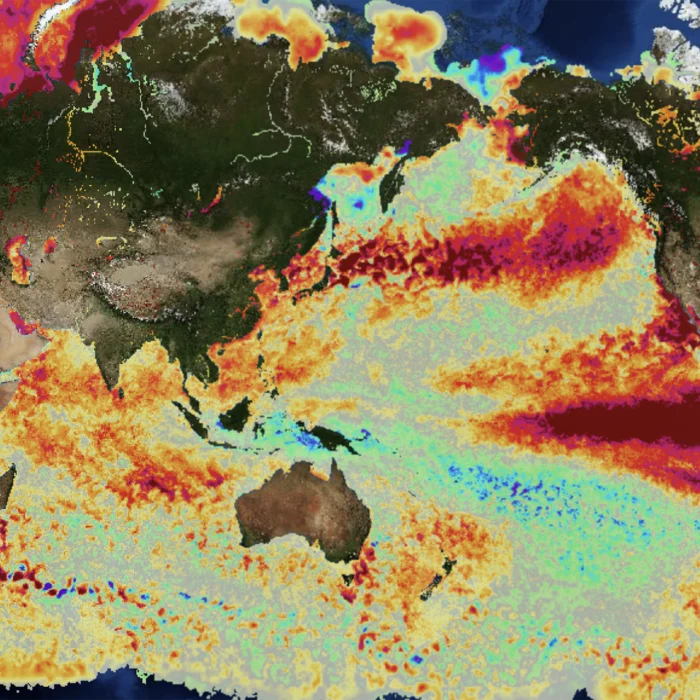
That, paired with the powerful El Niño brewing, likely will cause even more damage. El Niño often triggers heat waves that warm the oceans and damage the corals. Although wave action has cleaned the mud off some of the shallower areas of reef, the deeper parts still remain covered in thick mud.
“We’re not going to get any cleaning of that part of the reef until we get our big winter swells, coming up in October or November. So the mud just sits there,” said Lilley.