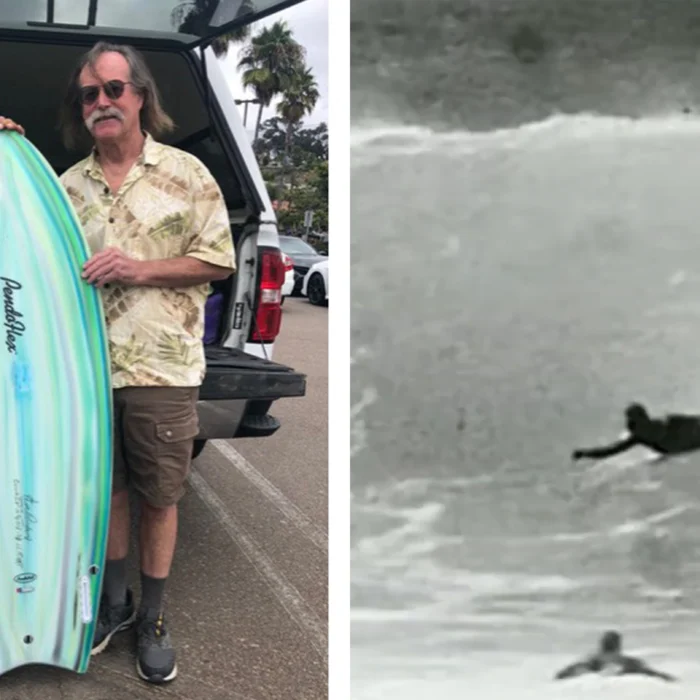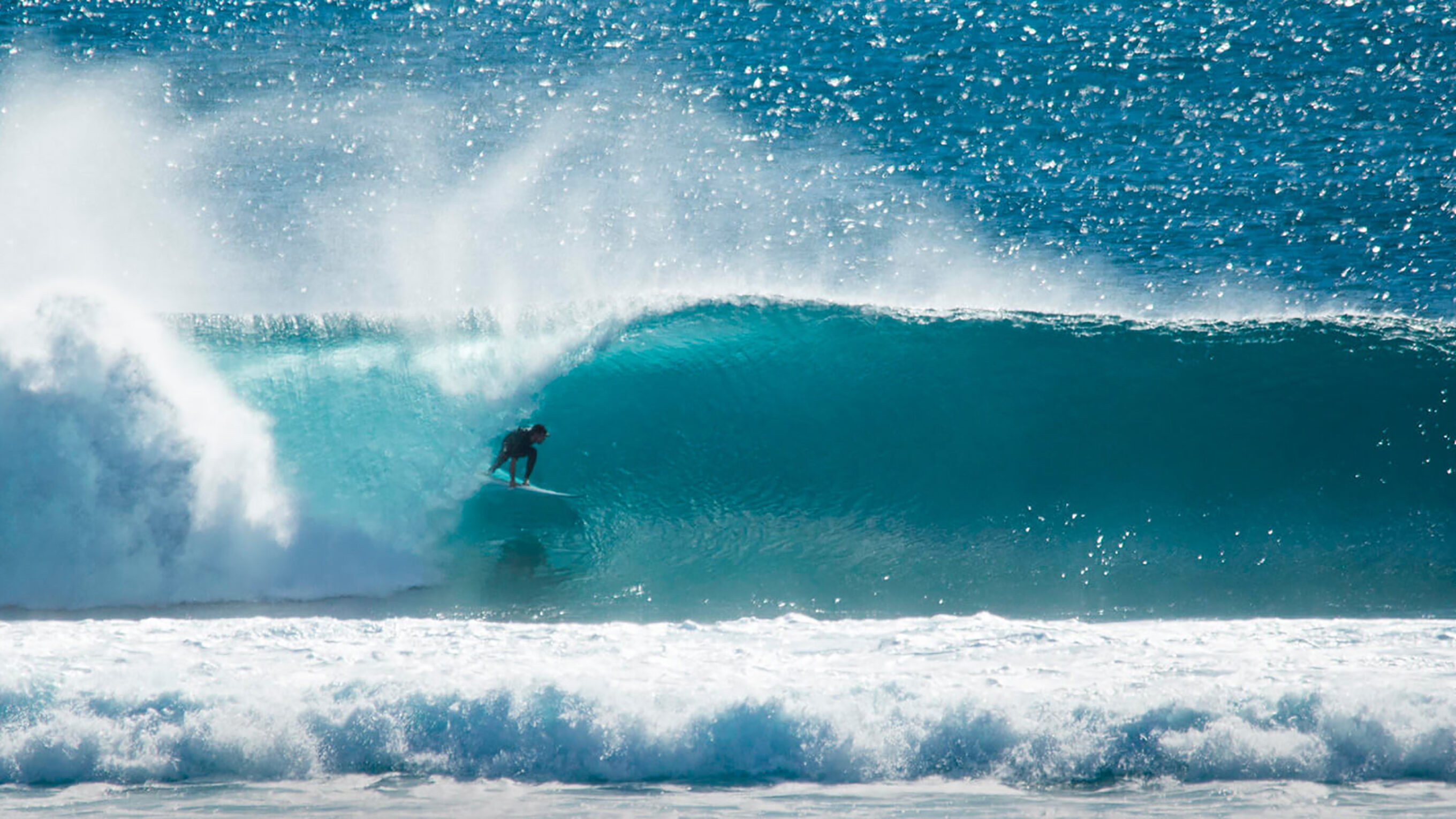
Paul Richardson didn’t set out to become the custodian of one of the most coveted stretches of coastline, and one of the world’s best waves, in Western Australia. He set out to show his parents why he’d swapped Ireland for a life out west. “I was showing my mother and father why I lived in Western Australia, not just Perth, and we went up for a look,” Richardson told the ABC, the Belfast accent still thick despite decades under the desert sun. “Back then it was up for sale. We found out very early and put an offer in and managed to take it. Just everything fell in a row at the time. So, once you sign a dotted line, you’re there and you don’t leave.”
For a non surfer, also not interested in the fishing, he’s done well to do two decades in one of the harshest, and most beautiful places, on Earth. Now, for the first time since 2003, the lease is up for grabs — and the rumor mill has gone into overdrive. Local media has reported a mix of Hollywood A-listers and world surf champions weighing up a price tag on the famed Gnaraloo Station – a humble sheep-herding center in the early 1900s – somewhere between $A15 and $20 million, a solid uptick on the two mill Robinson paid for it.
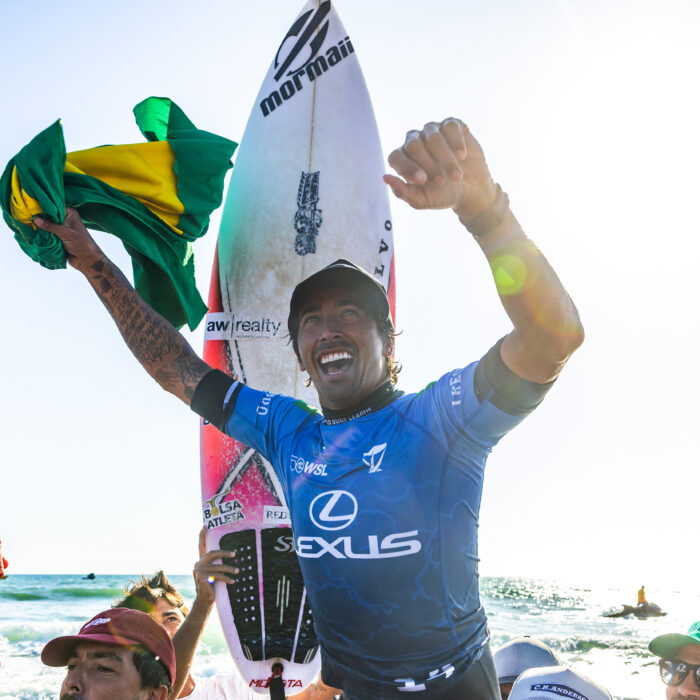
Jarrad O’Rourke, the station agent responsible for the sale, isn’t naming names. “I’ve signed NDAs, so I can’t really share too much,” he told me. “What I can say is that there were two international, non-Australian world champion surfers who enquired directly. A couple of former surf-brand owners. They care about it, but do they care enough to do anything about it? I’ve told them, if they’re really interested, they should syndicate. Five million each, and do it like that.”
The interest, he says, has been relentless and mostly noise. “There’s been thousands upon thousands upon thousands of inquiries and people telling me they’re going to buy it. But filtering through the dreamers and the wish-listers, I’ve had some serious offers that have fallen through, either on finance or on other conditions.”
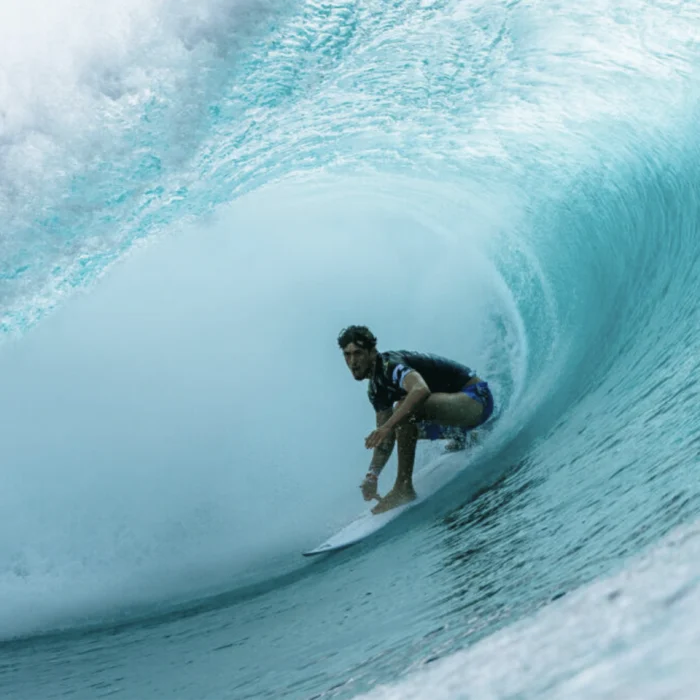
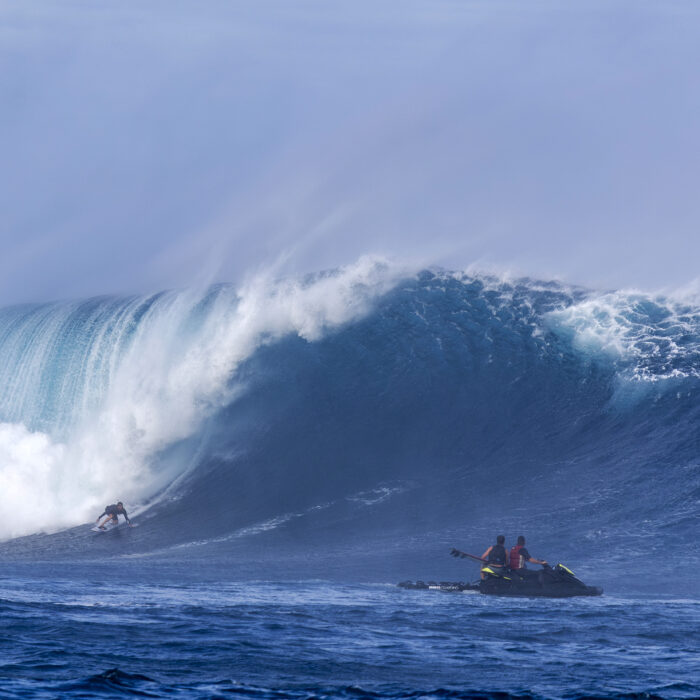
It’s not just the $15 million price tag that has now seen the property on the market for a year. Nobody can actually own Gnaraloo. The station sits on Crown land, its current lease running to 2046, with Richardson currently pushing to extend that out to 2065. You aren’t buying the 50 miles of coastal desert, but time and access. It involves a stack of government permissions with expiry dates stamped on them, all of which eventually need re-earning. It is, in other words, complicated, not a transaction for anyone expecting a set of keys, a clean title and the inside spot at Tombstones, the wave that has made the stretch famous.
O’Rourke, who’s watched the property evolve over Richardson’s tenure, puts the scale of what’s being handed over into perspective. “There were three cabins when he took over, now there’s about 30,” O’Rourke says. “From what I gather, he’s done it all himself, brick by brick.”
And while the place has retained its raw, natural feel, not everyone views the Richardson era through rose-tinted glasses. Local surf photographer and coastal advocate Scott Bauer paints a starker picture of what the next owner inherits environmentally.
“It’s just a giant dust bowl now,” Bauer told The Inertia. “The goats have eaten all the coastal vegetation, which has been compounded by a series of intense droughts. As a result, there’s no vegetation left to stabilize the dunes and coastline.” He’s blunt about the mismatch between Richardson’s continued goat farming and government efforts to de-stock the coastal fringe: “It’s just pure stupidity and selfishness on a whole other level.”
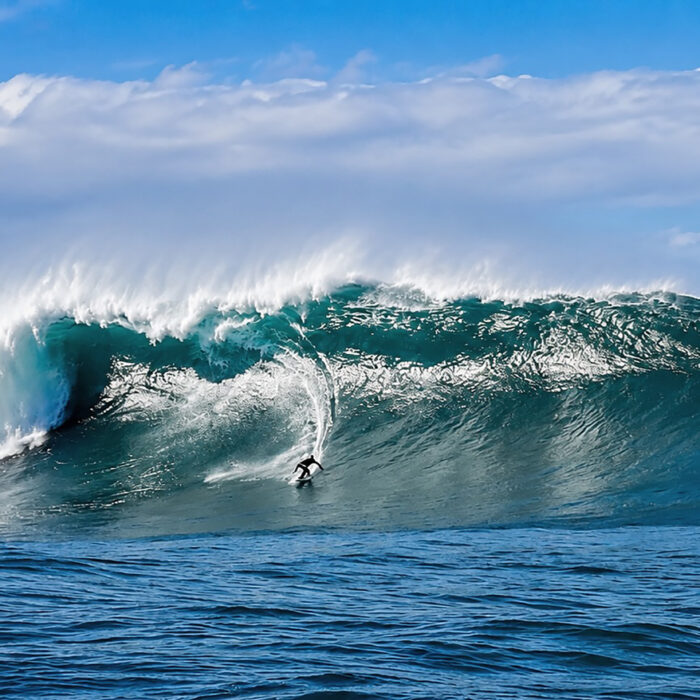
It’s another new chapter on a stretch of granite and limestone that dates back 400-billion years. Surfers only arrived in the early 1970s, after whispers had reached Margaret River of one perfect left-hander corkscrewing off a red granite bluff way up north and another tombstoning down a shallow ledge nearby. The rumors were almost certainly sourced from the nearby Quobba Station, from sheep workers who’d stumbled on the waves between shearing shifts.
It didn’t take long to work out that the same ragged storm swells that pound Margaret River during the winter arrive in the desert groomed by offshore wind and blue skies. The early pioneers slept in the caves lining the break before the station started carving campsites into the hillside for a small fee — each one with a front-row view of perfect barrels.
View this post on Instagram
Now those views are up for sale. Whoever buys in, Bauer reckons, needs to be the right kind of obsessive. “I think it’s going to take a unique buyer. Someone that is passionate about it, someone that wants to see it kept in WA hands and doesn’t want to see it change too much.”
It’s also, by most reasonable measures, one of the best land-based game fishing destinations on Earth. Spanish mackerel, cobia, sailfish and tuna are within casting distance of the lineups, which is either the best surf-fish-taco supply chain in the country, or the strangest.
That tension, the myth versus paperwork, the wave versus dust bowl, pastoral farming against tourism, all with a responsibility of environmental custodianship is baked into the asking price. It’s been on the market close to a year. And this time it won’t be bought by an Irish backpacker.