
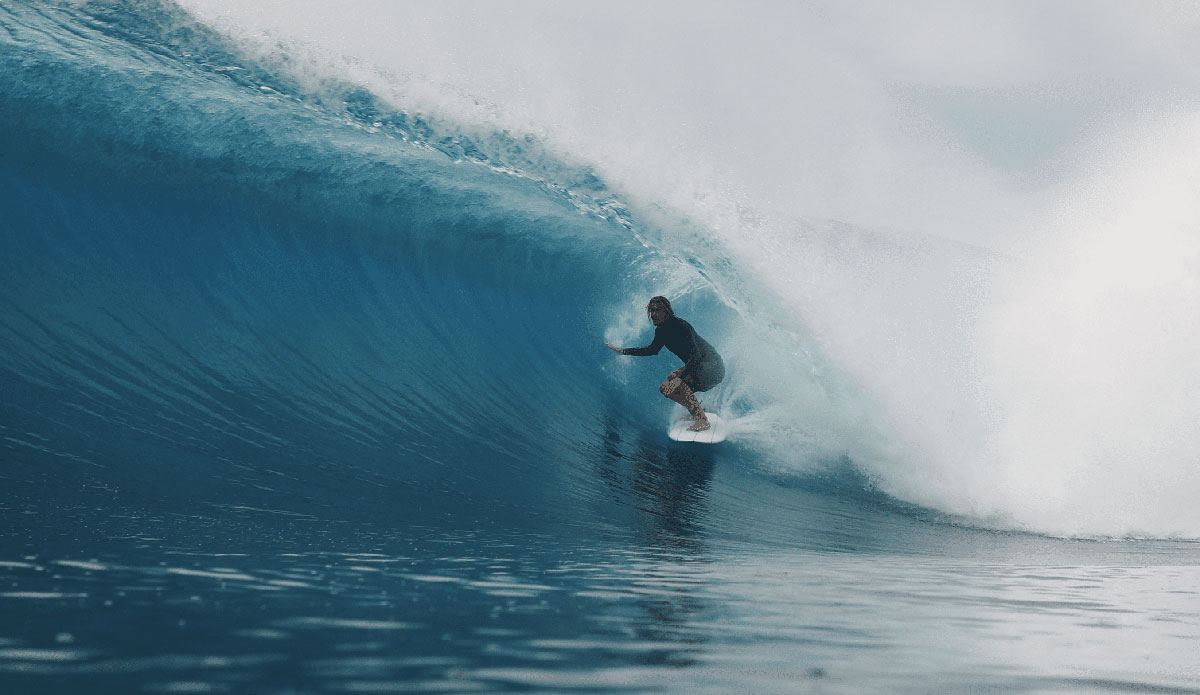
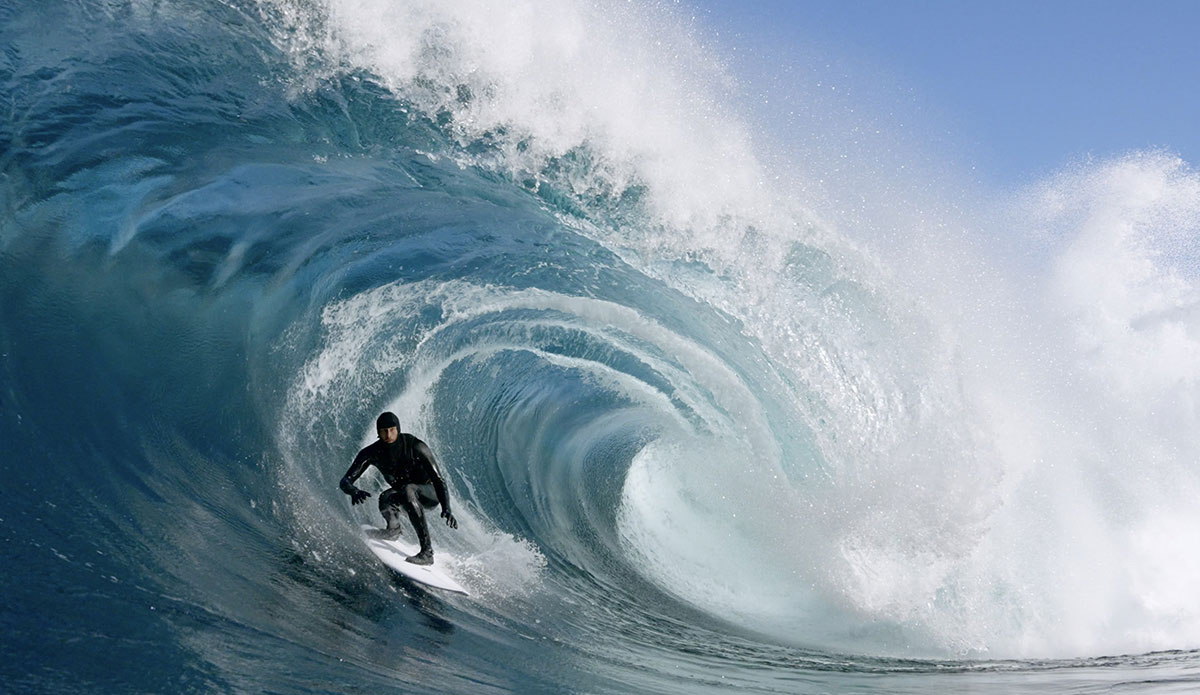
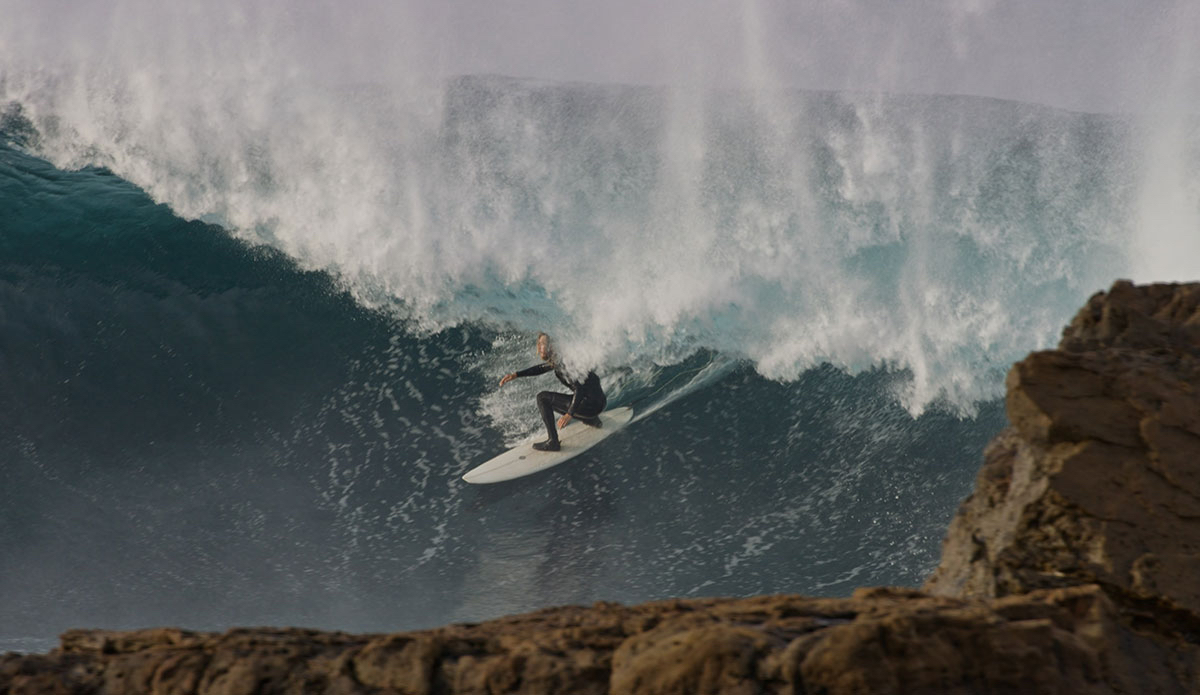
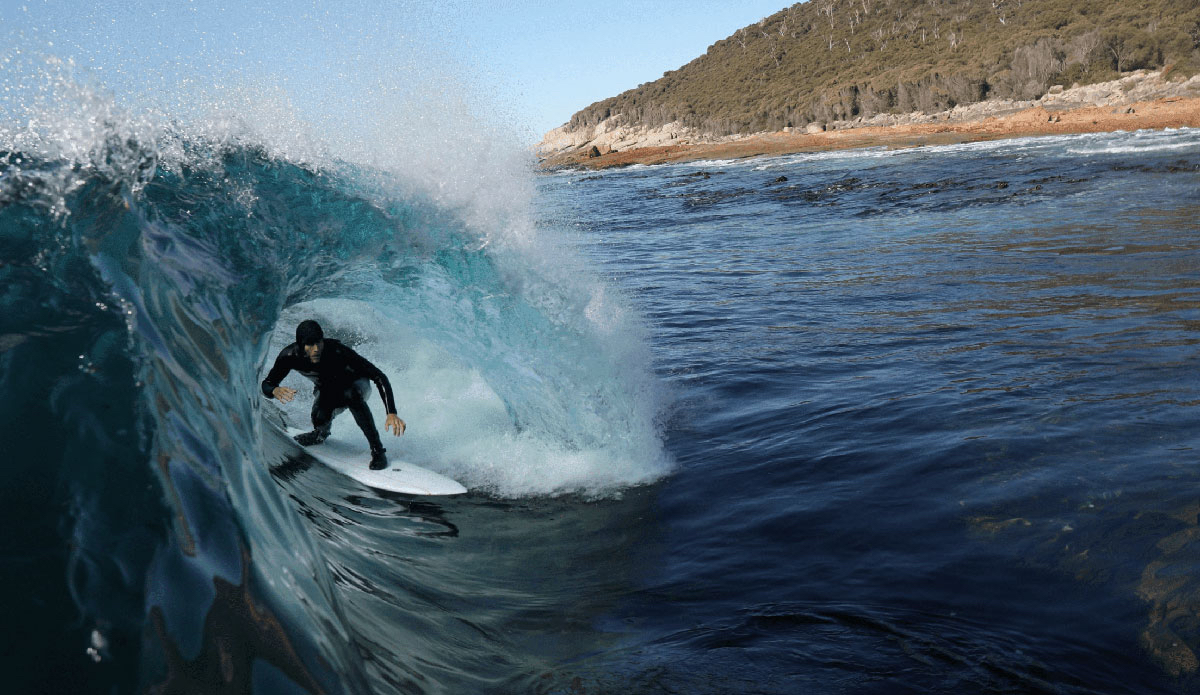
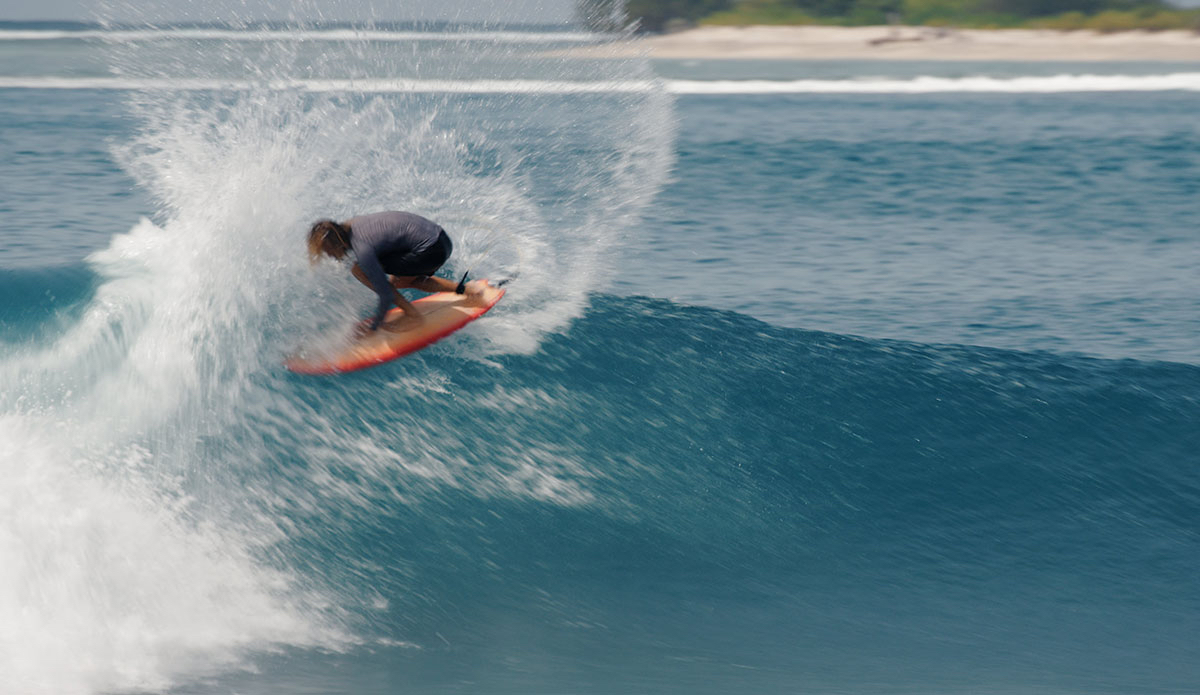
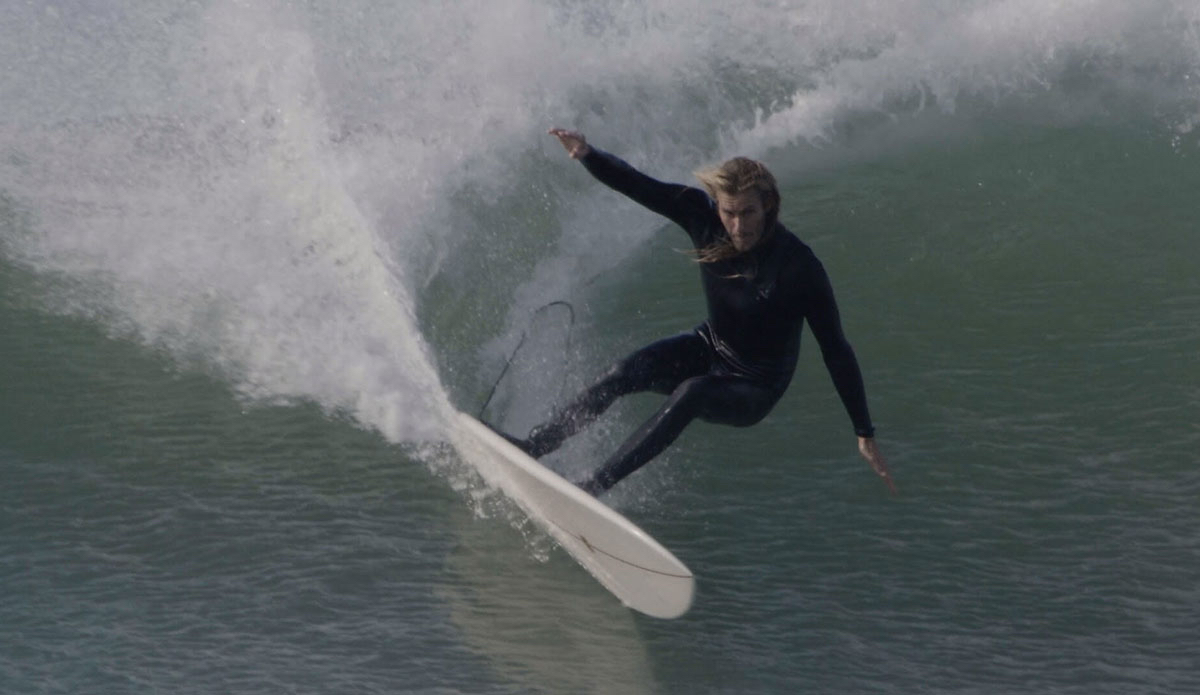
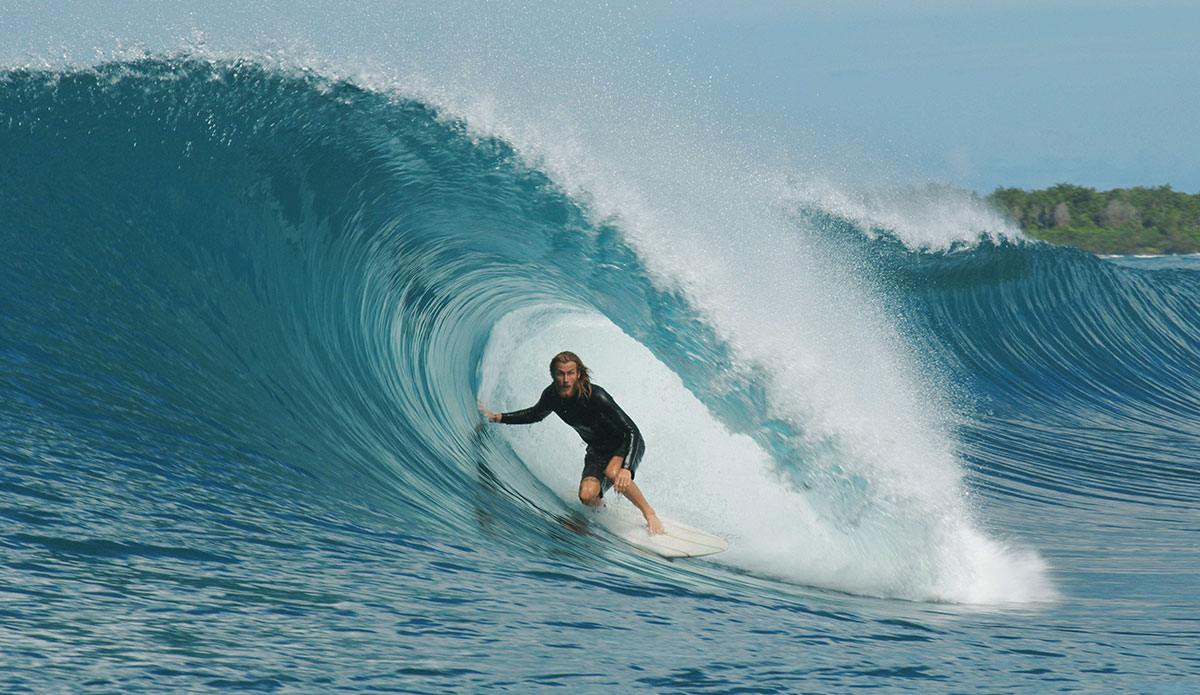
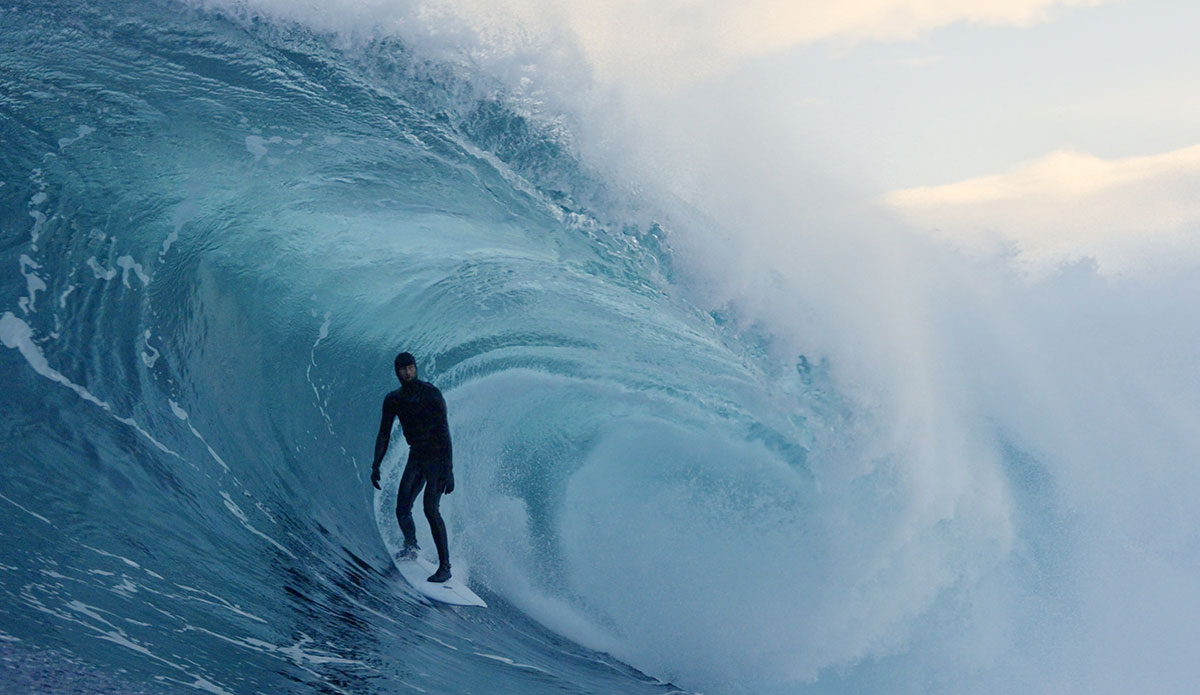
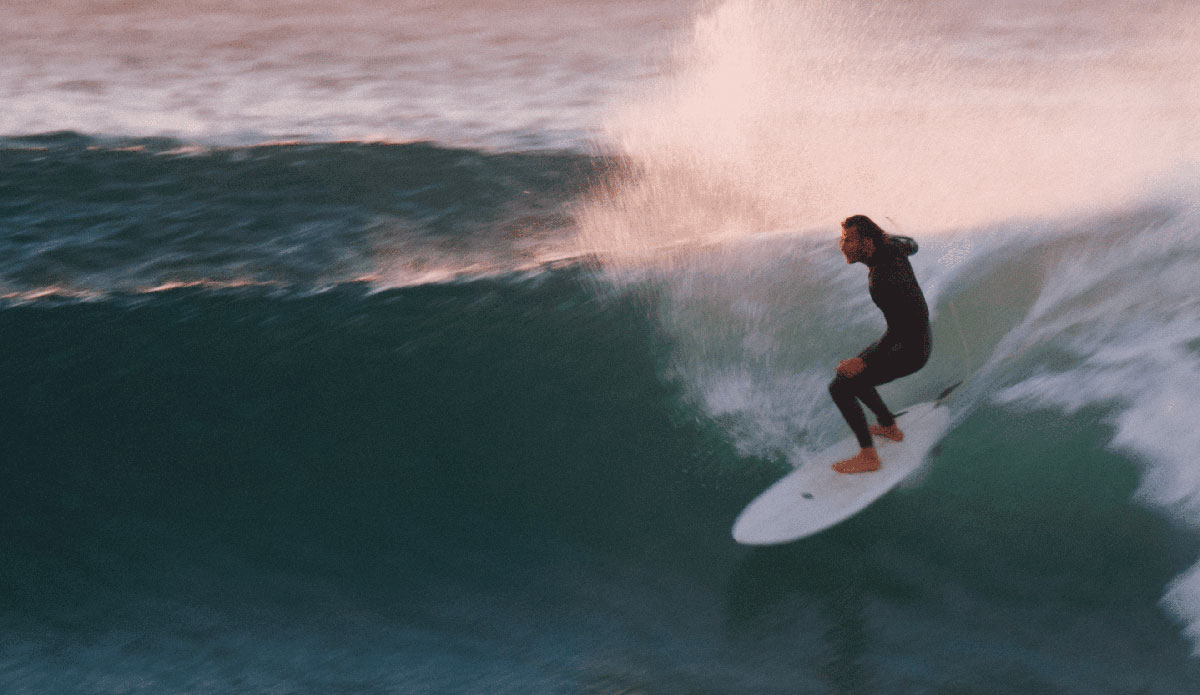
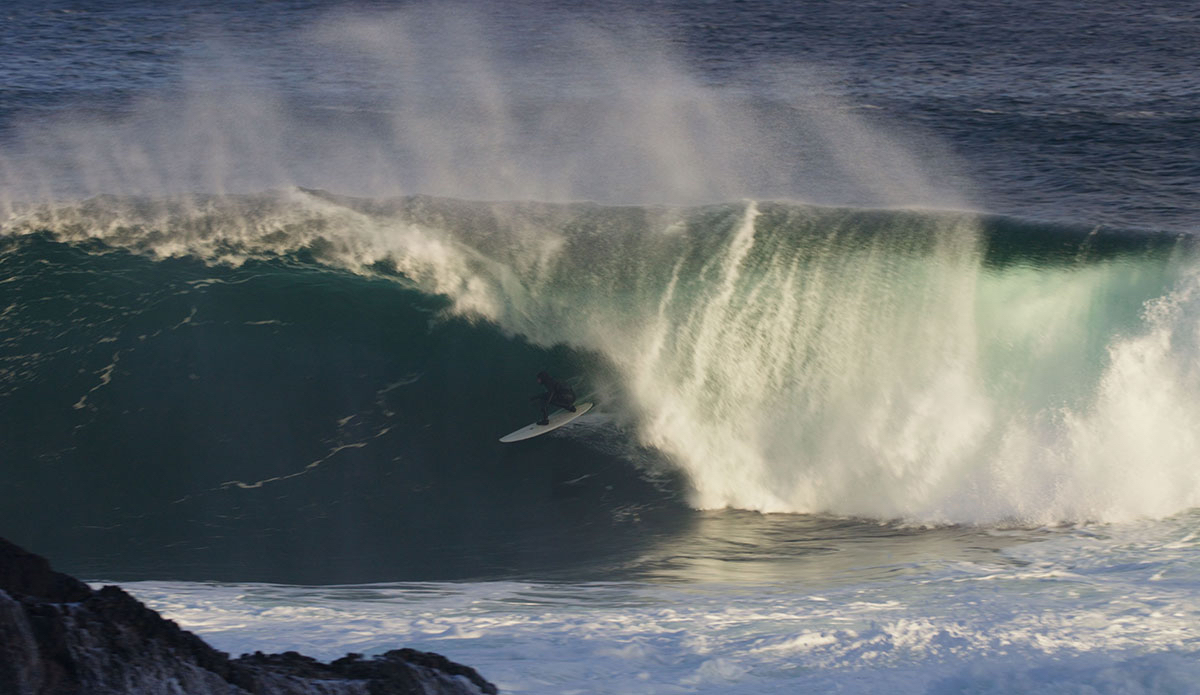

At I write this, Torren Martyn is living in Tasmania. He, along with friend/filmmaker Ishka Folkwell, have been on an adventure of epic proportions. It’s mainly a surf trip, of course, and if you know Martyn’s surfing, you know he loves twin fins. Need Essentials recently had a sit down with him to talk all things twin fin, a subject that he knows enough about to have a product line with his name on it.
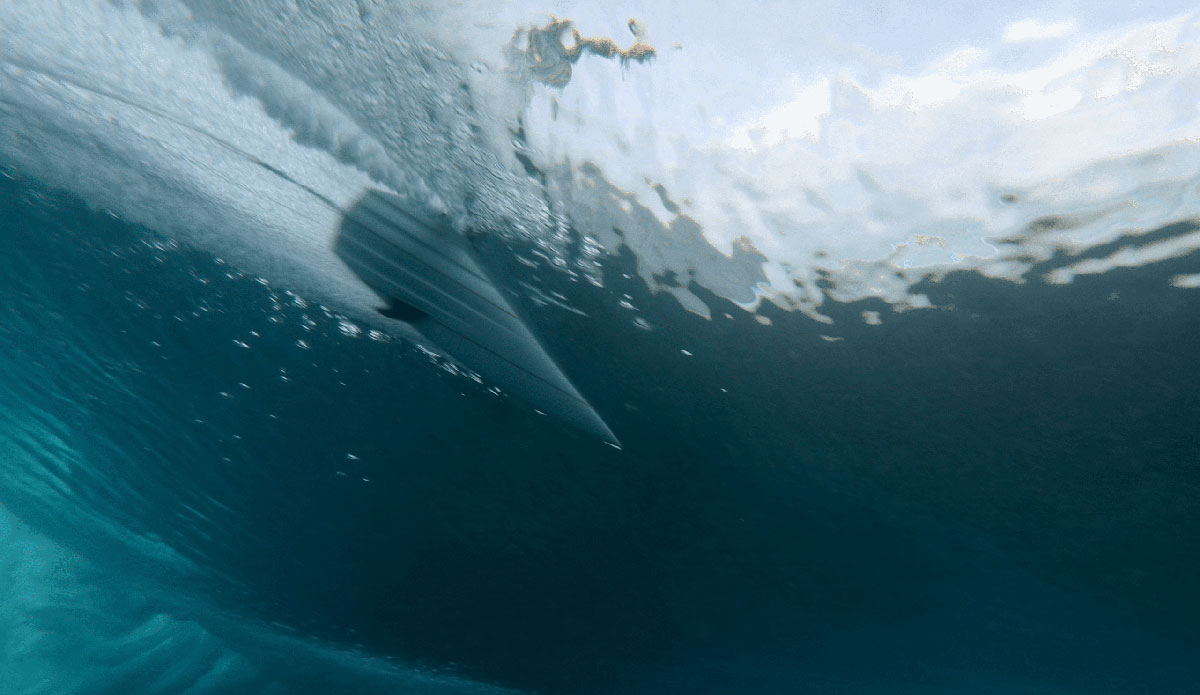
For a long time, most surfboards had one fin. Bob Simmons appeared to have traveled to the future in 1949 when he created those foiled, heavily rockered balsa twin fins, but according to Sam George, those were such an ahead-of-their-time invention that they “don’t count” when speaking about surfing eras. It was really the mid-1960s when twin fins hit the wider market.
“When a company called Newport Paipo introduced a series of sophisticated bellyboards, a number of their designs offered as twin-fins,” George wrote in A Short History of Multi-Fin Surfboards. “By 1967, models like ‘The Wedge Vector’ and ‘Stub Vector’ featured progressive fin templates that made those found on contemporary stand-up boards look primitive by comparison, having much more in common with those attached to Simon Anderson’s thruster some 16 years later.”
In the early ’70s, people like Tom Hoye, Geoff McCoy, and Mike Eaton were making the twin fin the most popular fin setup. Single fins were still around, and around in force, but twins were becoming the preference for the many. In 1977, Mark Richards took the twin-fin to commonplace status by winning four World Titles on it. Then, of course, Simon Anderson added that one extra fin and took performance surfing to heights unseen. Twin fins were almost left in the dust — but fashion, as they say, is cyclical, and in the last decade or so, surfers have been coming back around. Torren Martyn has helped to redefine what’s possible on a twin fin. He surfs them in heavy slabs, speedy tubes, peeling point breaks, and everything in between.
View this post on Instagram
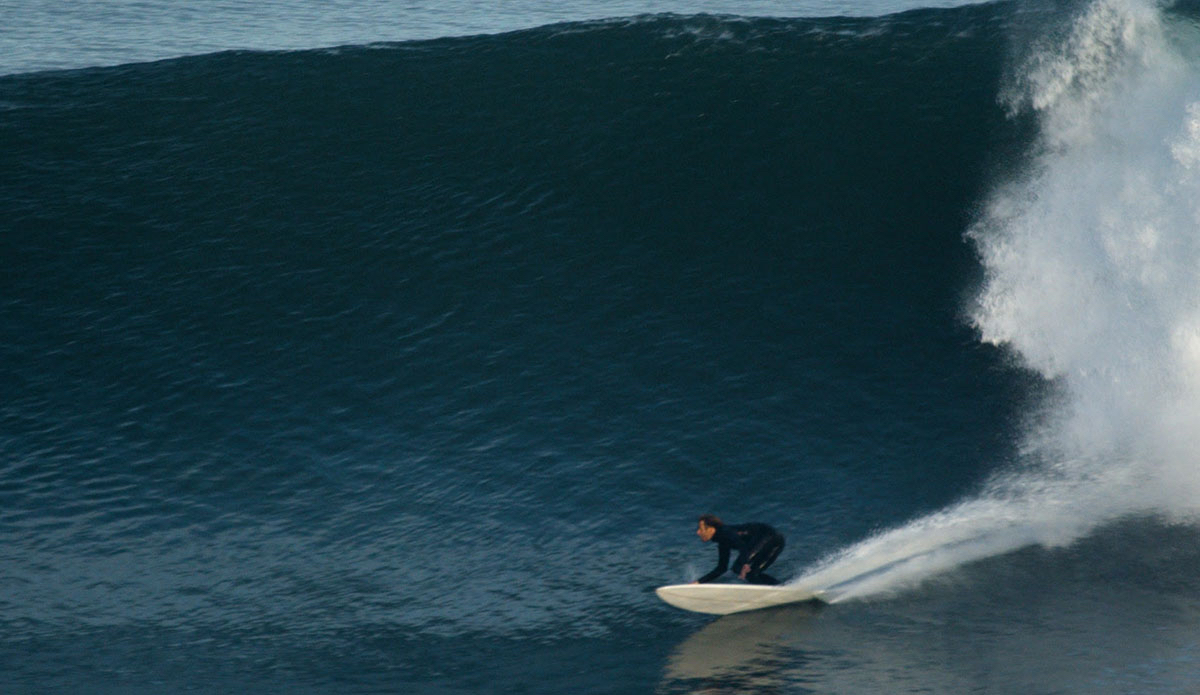
“Riding twins in bigger, more challenging surf feels fast, loose, and incredibly alive under your feet,” Martyn told Need Essentials. “Over the years, Simon Jones and I have developed and refined these boards in all kinds of waves around the world, so I see them as more of an advantage than a limitation, even in heavy water. Paddling Shipstern Bluff is without a doubt the most challenging wave I’ve ever surfed, but I’ve got complete confidence in the equipment. For me, the twin isn’t really a novelty — it’s just what feels most functional, familiar, and comfortable.”
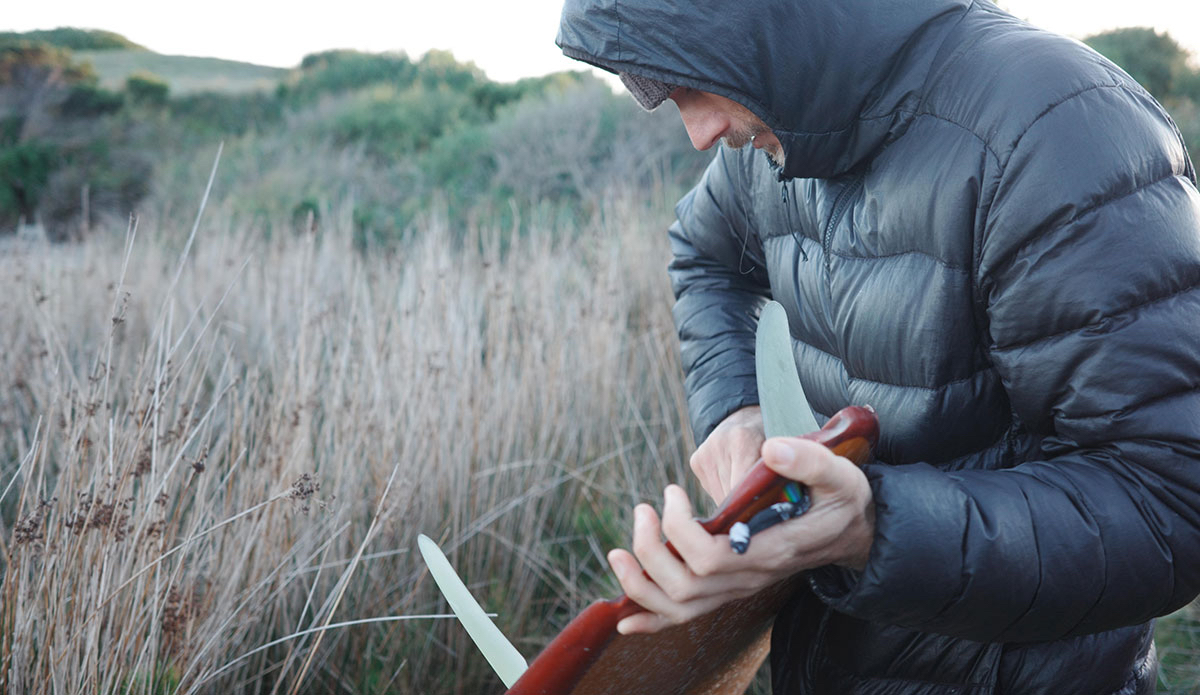
Martyn has a preference when it comes to his fins. Not just how many, but how they’re made. He likes a fin that works well and a fin you can fix yourself when you bang it off a rock on some far flung wave. He likes hand-foiled, solid glass fins.
“They’ve got a lot of drive and feel really solid underfoot,” he explained. “The ridged strength of glass fins results in way more hold and that translates to drive and speed. Plus, with solid glass you can pull out some sandpaper and fix up any dings from rocks, or even tweak the foil a bit to change how they feel in the water. It’s a mix of performance and that hands-on ability to fine-tune them yourself. If you look after them they will last a lifetime.”
A long time ago, I switched boards with a friend for a few waves on Baja’s East Cape. His was a twin fin, and I never ride twins. “It’s like riding a watermelon seed,” he told me. Riding a twin fin does change the way you’ll surf, but if you’re doing it right, it’ll change it for the better.
“It’s definitely shaped how I surf and how I read a wave,” Martyn said of his long-time love affair with twin fins. “They open up parts of the wave I might not have explored otherwise — especially with all the different shapes and sizes Simon and I have worked on over the years. That mix of fin and board really dictates the lines you can draw, and it’s constantly opening up fresh ways to approach different waves.”
Martyn, like any well-rounded surfer, isn’t a one-board guy. His surfboard of choice is often dictated by the waves on offer, and his quiver reflects that, but one stands out.
“I rarely have two boards that are the same,” he said. “At the moment, my quiver stretches from a 5’8″ Tracks twinny right through to a 10’2″ glider I shaped myself — with a bit of help from Simon — and even an 11’11” shaped by a friend that’ll glide on a ripple. So there’s plenty of variety. Lately, I’ve been spending a lot of time at Shipsterns on a 6’8″ ‘Remote’ — it’s got a touch more rocker and a more refined feel than my usual wide-point-forward boards, and it sits in a field of its own. The 7’2″ is a real sweet spot I keep coming back to, but it really depends on what the waves are doing.”

