The California Fish and Game Commission voted on a slew of petitions to protect marine environments. While the commission shot down most of the proposals, it approved two new marine conservation areas in Carpinteria and Point Sal.
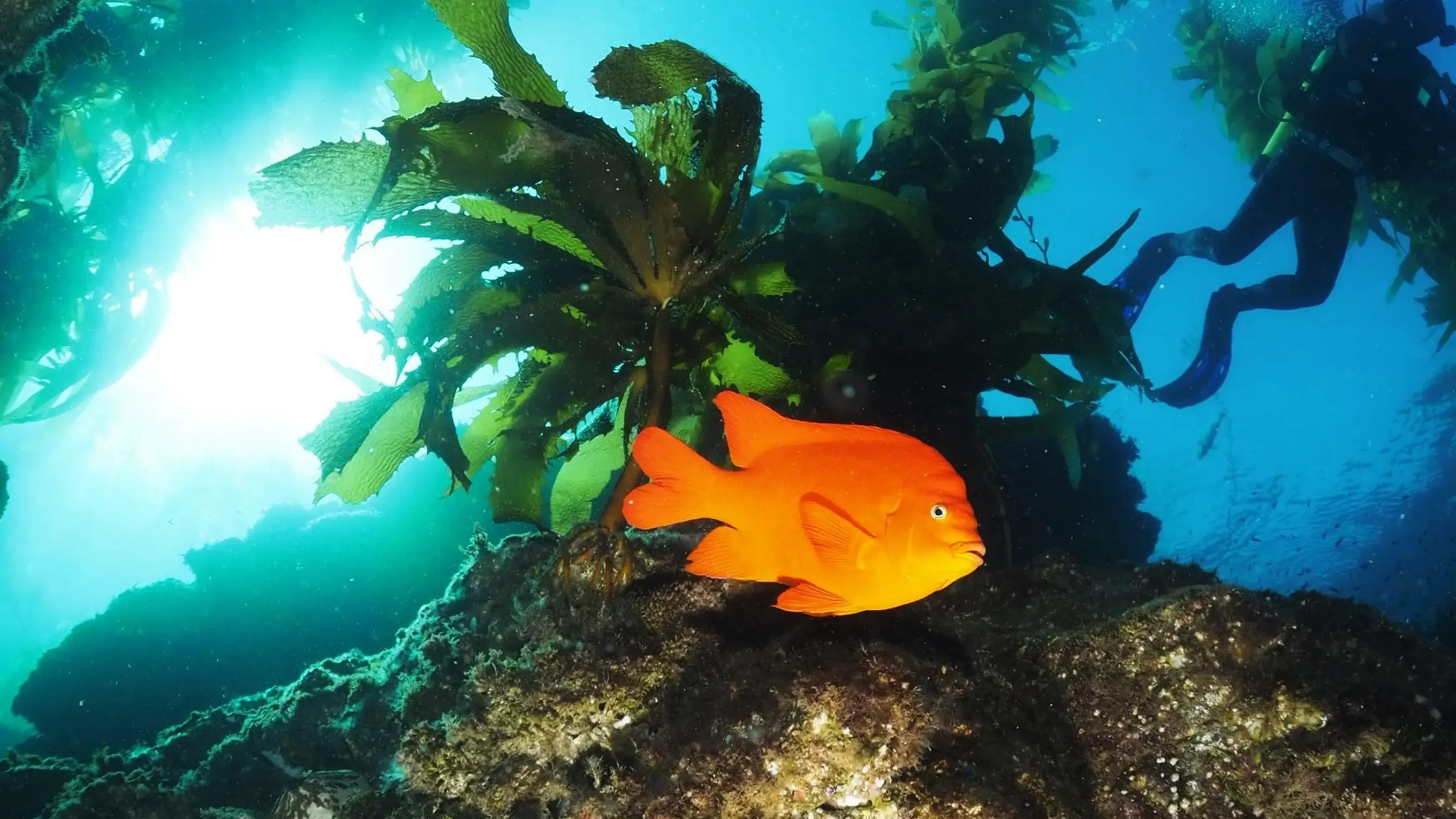
The Carpinteria reserve, known as Mishopshno State Marine Conservation Area, protects 26.2-square-miles of coast along Carpinteria Reef and kelp forests in the Santa Barbara Channel. The Point Sal Marine Conservation Area encompasses more than nine-square-miles of marine habitat around Point Sal in northern Santa Barbara County.
The Chumash tribe submitted both proposals, making them the first tribal-nominated marine protected areas in California, and the first new marine protected areas of any kind approved in the state since 2012.
At the same time, most of the petitions didn’t make it through the approval process. Proposals to add or expand conservation areas in locations such as Santa Cruz, Laguna Beach, Dana Point, the Channel Islands, and Point Reyes were rejected.
The Santa Cruz proposal to add a marine protected area at Pleasure Point and expand an existing reserve at Natural Bridges had stirred debate among the city’s surf community. The proposal, which initially called for a no-take zone around the popular right-hand point break at Pleasure Point, was later amended to permit recreational fishing. However, the petition was denied in all forms.
California Governor Gavin Newsom touted the new preserves as a step towards the state’s goal to protect 30 percent of coastal waters by 2030.
“Our ocean is essential to who we are. It’s part of our DNA as Californians,” Governor Newsom said in a press release. “While Donald Trump attempts to roll back decades of environmental protections and open our shoreline to new oil drilling, we’re protecting more of our coast and ocean than ever before.”
The commission also voted to expand the marine protected area at Point Dume in Malibu, and strengthen protection at the existing Pyramid Point conservation area near the Oregon border. The new conservation areas added 15,000 acres to the state’s network, increasing the protected waters to 22.2 percent.