This year’s Super El Niño has made waves, both literally and figuratively. Between the Kelvin wave it created and its massive storms that are innundating California’s coastline, it has been front page news for a while now. And it’s not done ramping up yet, either. New reports of sea surface temperatures show it has grown a new arm.
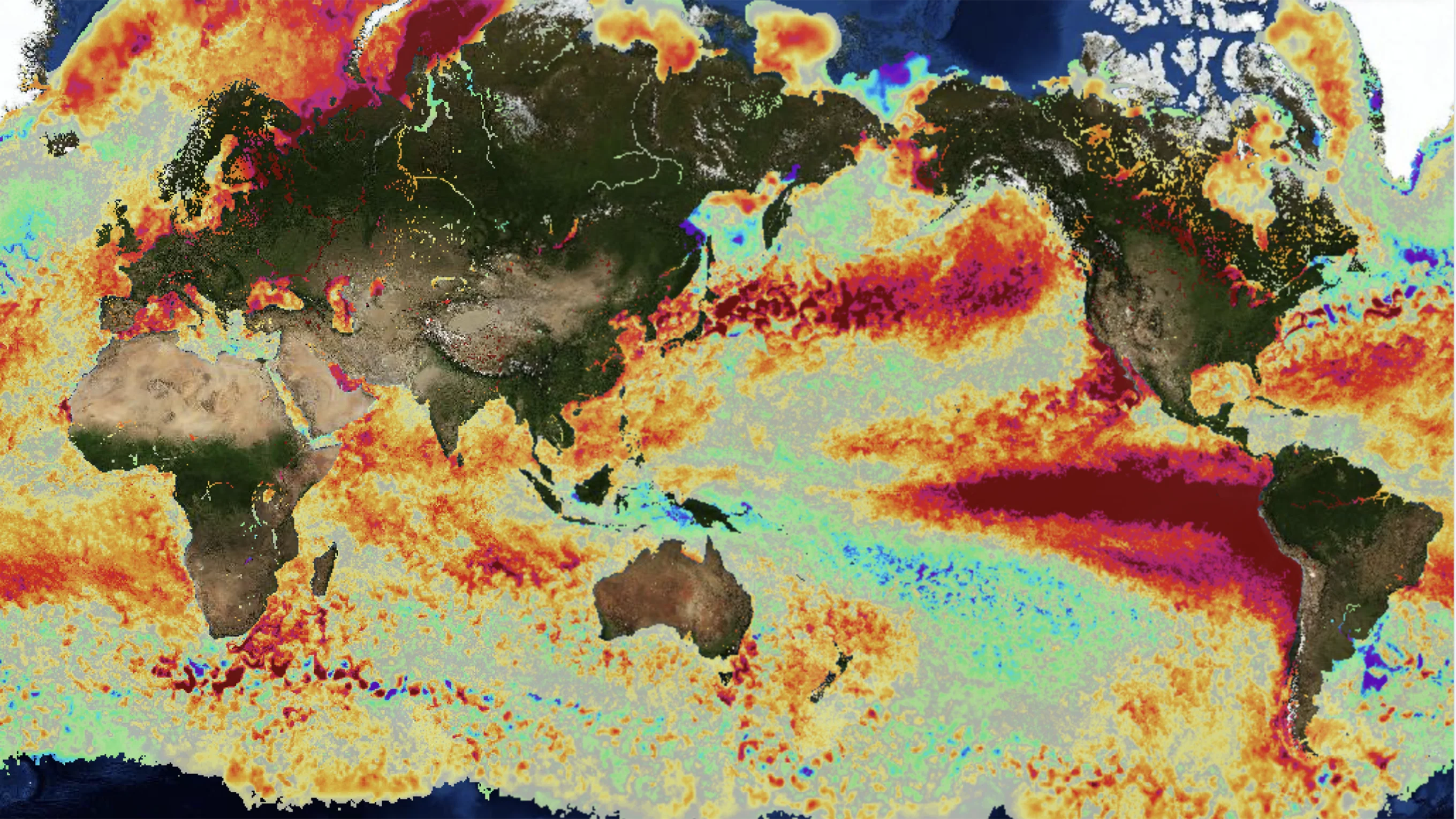
Peru’s National Meterological and Hydrological Service, Senamhi, released a map showing the extent of the Pacific Ocean’s rapidly expanding warm patches. Sea surface tempertures off the coast of Ecuador and Peru were seeing higher than average temperatures just two weeks ago, and already those warm waters have expanded farther south through the Chile.
The initial blob of warm water sprouted the arm sometime between September 30 and October 14, and it means that some parts of the eastern Pacific are seeing temperatures a little over 3C above average. That might not sound like a lot, but when it’s spread out over such a vast area, it has serious ramifications.
Researchers already worried about what the months ahead hold are even more worried with this latest development. The larger this El Niño event gets, the greater its affects will be on the entire planet.
“I think that this year’s El Niño event is likely to be the strongest in 1,000 years if the latest models of its peak prove accurate,” Climate scientist Zeke Hausfather told The Daily Mail.
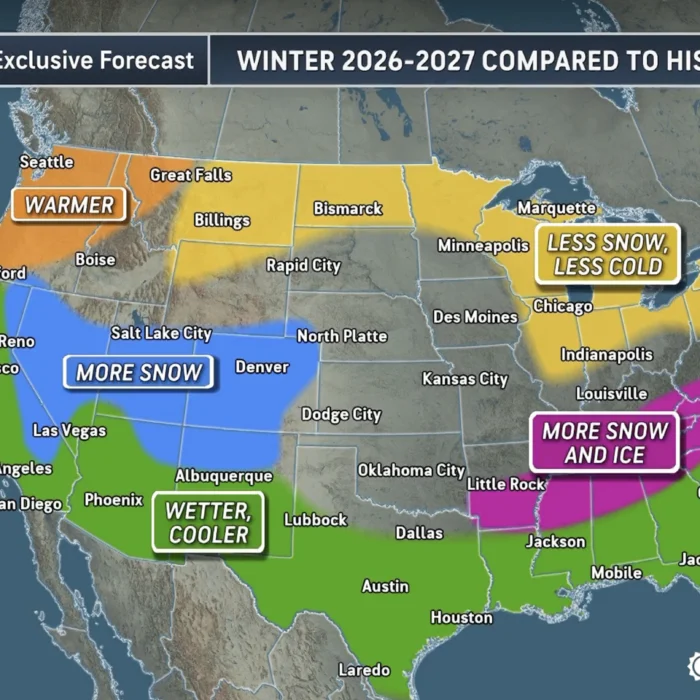
Across the pond, Brits are being warned that they could be in for a hell of a winter. Fall will likely be wetter than normal, while winter will be colder. In the United States, snowfall forecasts are vastly different than previous years.
“New maps show Earth almost entirely in the red,” wrote Ryan Maue, a U.S.-based meteorologist. “El Niño continues at ‘maximum power’ into the winter with planetary heating dialed up everywhere except the United States.”