If the Trump Administration moves ahead with plans to repeal protections on millions of acres of land, it could forever alter the Pacific Crest Trail (PCT) as we know it.
The U.S. Department of Agriculture has set in motion plans to rescind the 2001 Roadless Area Conservation Rule, which protected 45 million acres of national forest land — largely across the Western U.S. — from road development. The Trump Administration says it would give autonomy to local agencies to manage forests and prevent wildfires, but critics say it’s a guise to log forests and extract resources.
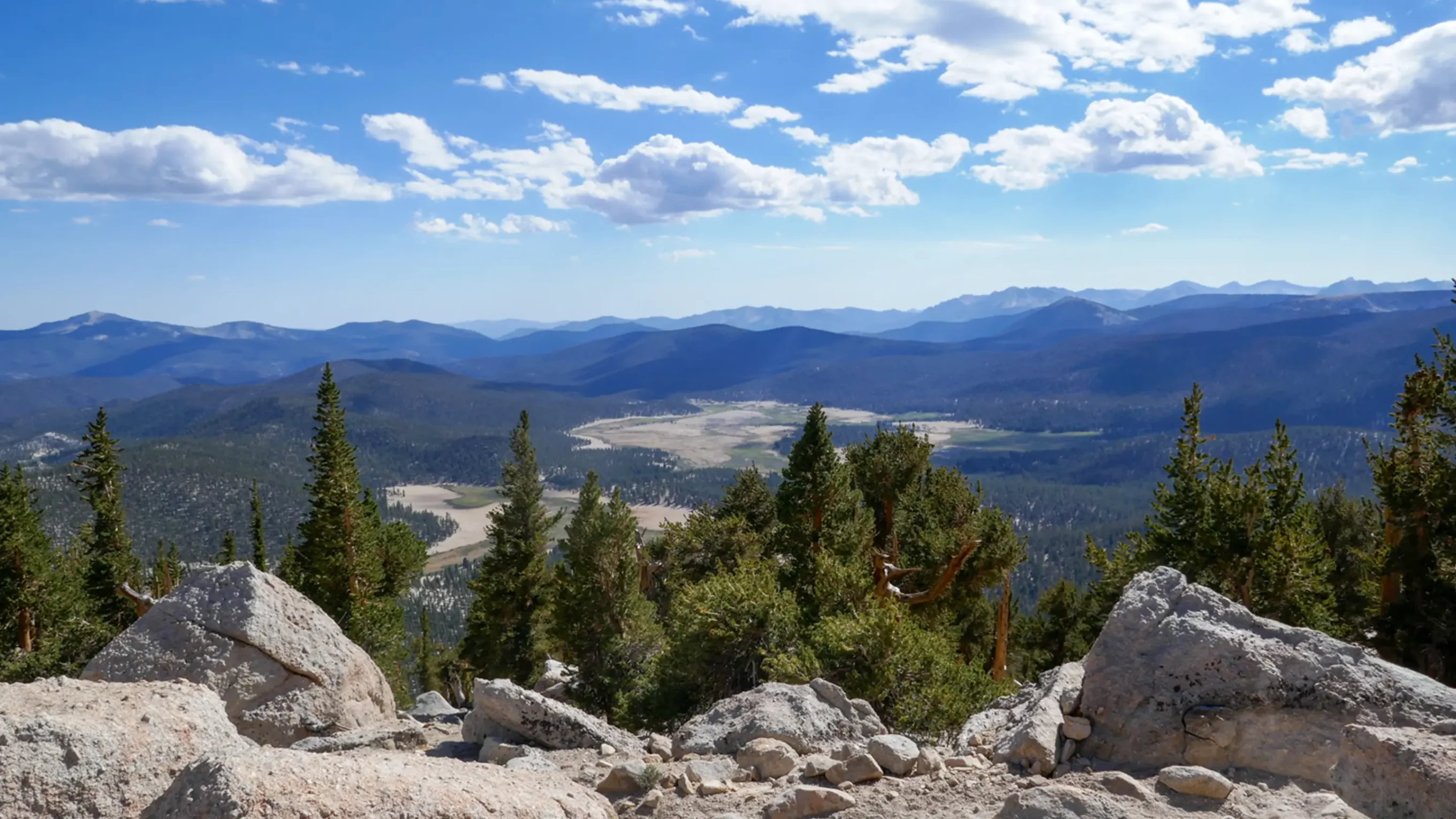
Eleven percent of the Pacific Crest Trail’s 2,650 miles between Mexico and Canada crosses land protected by the Roadless Rule, including 162 miles in California, 15 in Oregon, and 53 in Washington. Mark Larabee, advocacy director of the Pacific Crest Trail Association (PCTA), says repealing the regulations could lead to new development and logging across swaths of the trail.
“The Roadless Rule protects (large sections of the PCT) experience,” Larabee told The Inertia on a phone call. “To just completely pull the bandage off, so to speak, doesn’t seem like a very thoughtful approach to public lands management.”
According to Larabee, the current regulations already permit timber thinning and habitat improvement projects, and even allow for road construction in certain cases such as flooding or fires. The PCTA also points to research showing wildfires are more likely to start in areas with roads than in environments without them.
Lately, the U.S. Department of Agriculture has toned down its logging rhetoric, but initial communications made its motivations clear: Trump has called for American timber production to increase by 25 percent.
Larabee notes that building roads and logging remote forests often isn’t profitable enough to entice companies to bid on the work, but if worst comes to worst, “they would go into all those roadless areas and build roads with the hope of being able to log.”
Additionally, Larabee stresses that the Forest Service already has a 380,000-mile network of roads that it does not have the resources to maintain.
The Roadless Rule was subjected to hundreds of hearings and opportunities for the public to weigh in. But the Trump Administration is trying to repeal the regulations through an expedited process, limiting the typical three-month public comment period to three weeks.
If the Trump Administration acts without codifying a law through Congress to make change permanent, future administrations could reinstate it. Larabee says that could lead to a cycle of reversals that mirrors the back-and-forth that Bears Ears National Monument experienced under the Trump and Biden presidencies.
Protecting the PCT is not a partisan issue. Larabee says the organization’s members are Democrats and Republicans. Protecting undeveloped land is in everyone’s best interest for quality recreation, wildlife protection, and clean water.
“I would hope that a bipartisan Congress could work together and figure out a way to keep these protections in place,” Larabee said. “Figure out a way for the agency to better manage wildfire, rules that give them the ability to manage these landscapes while keeping roadless protections in place.”
“These are American issues, and we believe there’s room for compromise,” he added. “There’s room for coming together over these lands and protecting them for all Americans and their grandkids.”