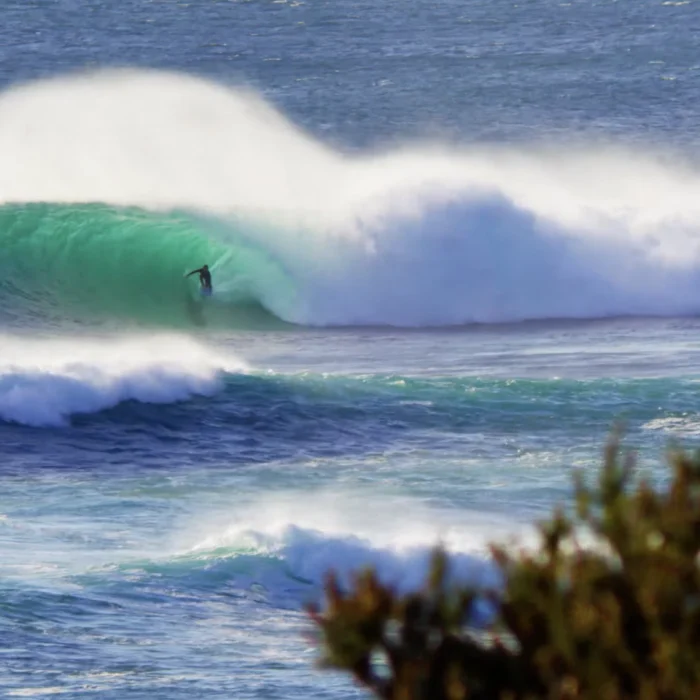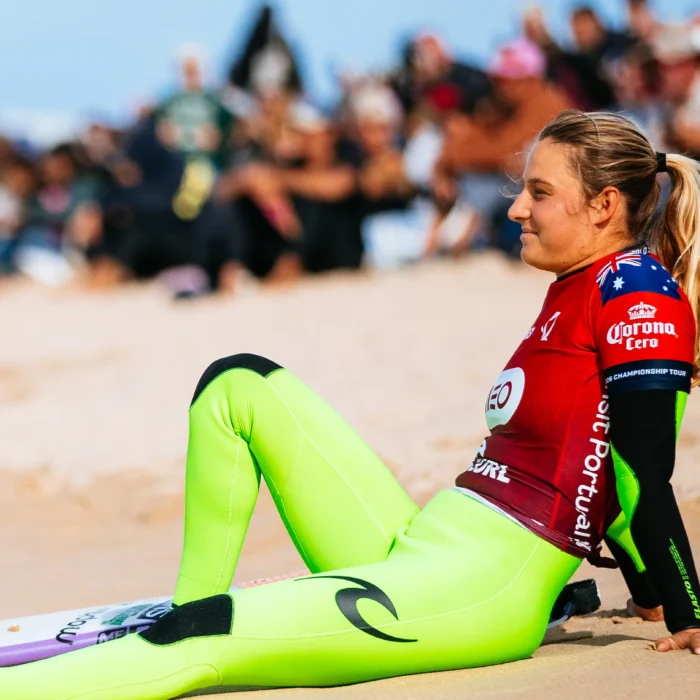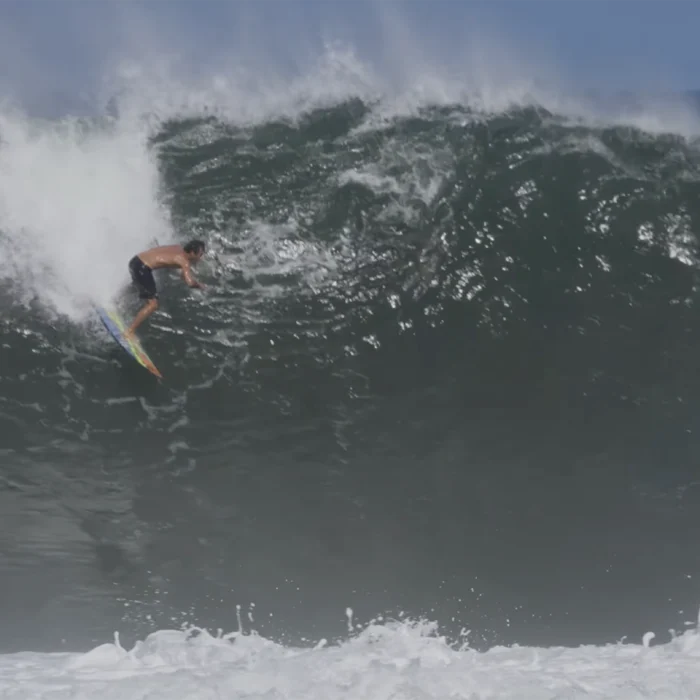
For decades, California surfers who visit Baja California, Mexico, have operated under the premise that everything will be fine if you don’t go looking for trouble. But the senseless murders of three traveling surfers in April 2024 shattered that sense of security.
On April 28, 2024, Australian brothers Jake and Callum Robinson and their American friend Carter Redd Rhoad were found lifeless at Punta San José, about 50 miles south of Ensenada. Thirty months later, four suspects are behind bars. Last week, a judge gave the three men directly involved in the murders 158 years each in prison. It brought an end to a saga that hit close to home for surfers around the globe, especially those who have enjoyed surf trips in the region.
While the tragedy has ripped apart families and friendships of those who knew the surfers, it also left a stain and trauma in a surf community dealing with the aftermath.
In 2024, shortly after the murders, we spoke with three members of the Ensenada surf community to understand the ripple effects tearing through Baja California. Now that justice has been served, we caught up with them again to see how things have changed, if at all, for Mexican surfing.
The following responses have been edited for length, clarity, and, in some cases, translated from Spanish to English.
Gino Passalacqua, 51, oceanographer
There are fewer visitors (around Ensenada), for sure, which, being selfish, is a good thing. There are fewer people in the water, but it’s not good for the economy. Tourism related to surfing has decreased, not 100 percent, but it has decreased. I don’t know if it’s only related to this incident or the economy as a whole, because tourism has decreased in Valle de Guadalupe, too. Some bars and restaurants there were down 50 percent. So I do see fewer people around, like surfing-wise.
The reputation is bad. The murders probably hurt tourism because it was very well publicized everywhere — especially for the people who were already having doubts about coming to Mexico. You know how it is on the news. It’s exaggerated.
There are more police around now, for sure. We see a lot of that. But it could be just a gimmick around Ensenada to make it look safe.
I haven’t been to Punta San José since the murders. It’s a little bit sketchy, to be honest. I wouldn’t go in a big truck. I would take a lot of precautions, like choosing where I camp. For me, I can just go for the day and come back, so I’d probably do that if I really wanted to surf there. But it wouldn’t be my top priority of places to go to.
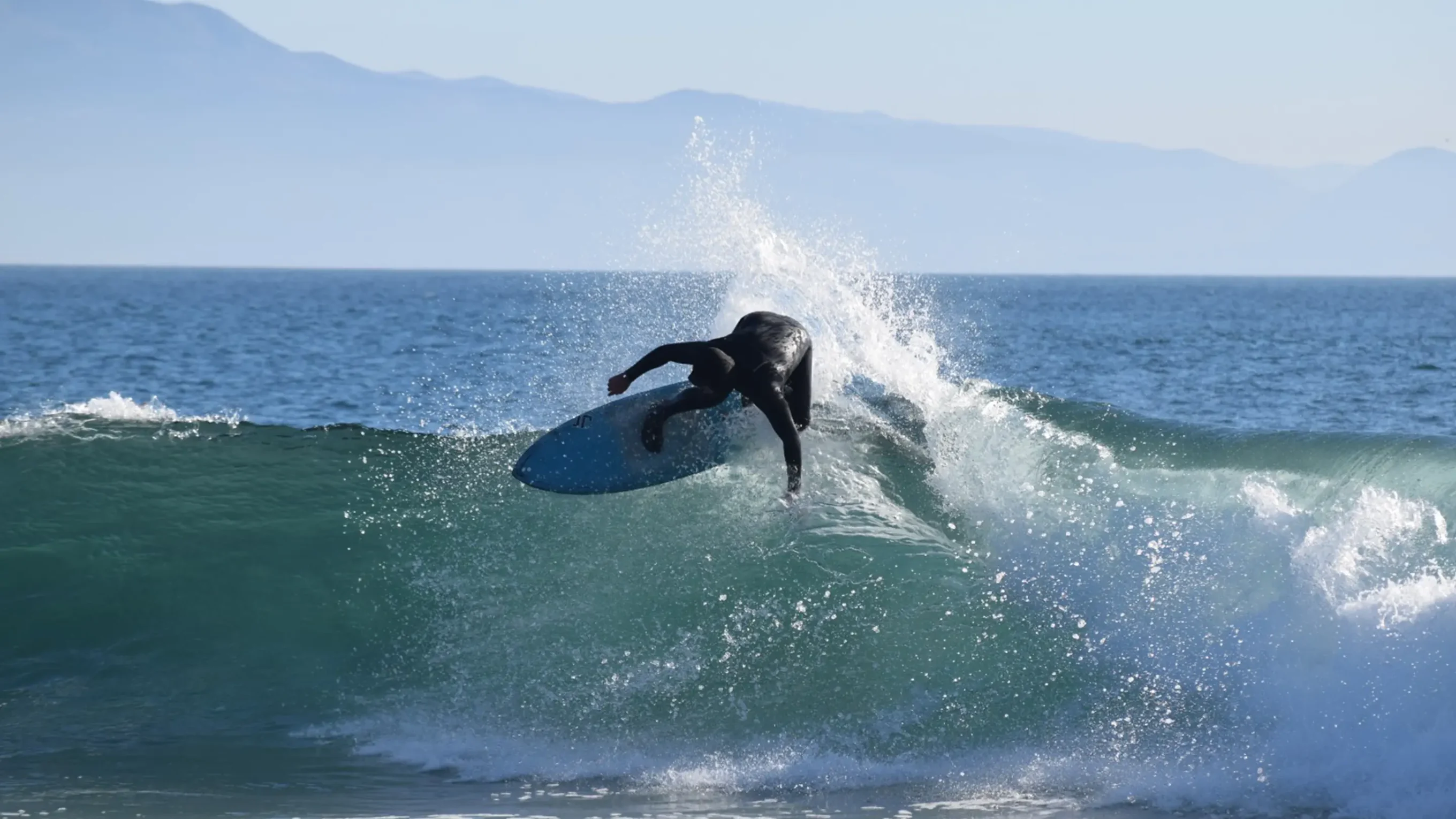
The murder case hasn’t been forgotten. It’s been in the news, in my chats. Even if it took years, I was surprised by how fast justice came, and how much time they got — 158 years. I don’t think the punishment would have been as harsh if the victims weren’t gringos.
It’s a double standard. But Mexicans are used to those standards within Mexican society. That’s a Latin America thing. I’m whiter than most Latinos, so I get treated differently because of the color of my skin, or the way I dress, or the car I drive. That was super obvious this time because of how fast the case was resolved, how fast they found the bodies, how fast they captured the killers.
I don’t think this will change (that part of our society). It just highlighted a double standard.
Beatriz Ibarra, 42, biologist
Honestly, (the murders) have gradually been forgotten. It occasionally comes up in conversation, or perhaps when someone mentions wanting to go camping. Recently, there have been so many other threats to our waves, beaches, public safety, and surf lifestyle in Ensenada that that incident has faded into the background.
As far as whether anything has changed in terms of safety or policy — certainly not. The country is in decline; the number of missing people is rising, and insecurity is growing. In the specific case of the Australian surfers, the investigation was pursued, and the suspects were found, only because they were foreigners. It became international news, and there was pressure from the Australian embassy. Had it been a Mexican victim, nothing would have happened.
As far as tourism, it never stopped. In fact, it continues to grow. Many people arrive here on cruise ships, and the surge in cruise tourism is seriously impacting the city’s conditions and way of life. Furthermore, many people from the United States are buying beachfront property and blocking access points. The port industry is also expanding, further restricting access to the beaches. To make matters worse, the few beaches Ensenada has left are contaminated by sewage discharge. Surf tourism also continues, but given the scarcity of beaches, this influx has become increasingly problematic, as the waves are becoming overcrowded (near the city). If you try to escape to more remote beaches, like Punta San José, you run the risk of being robbed.
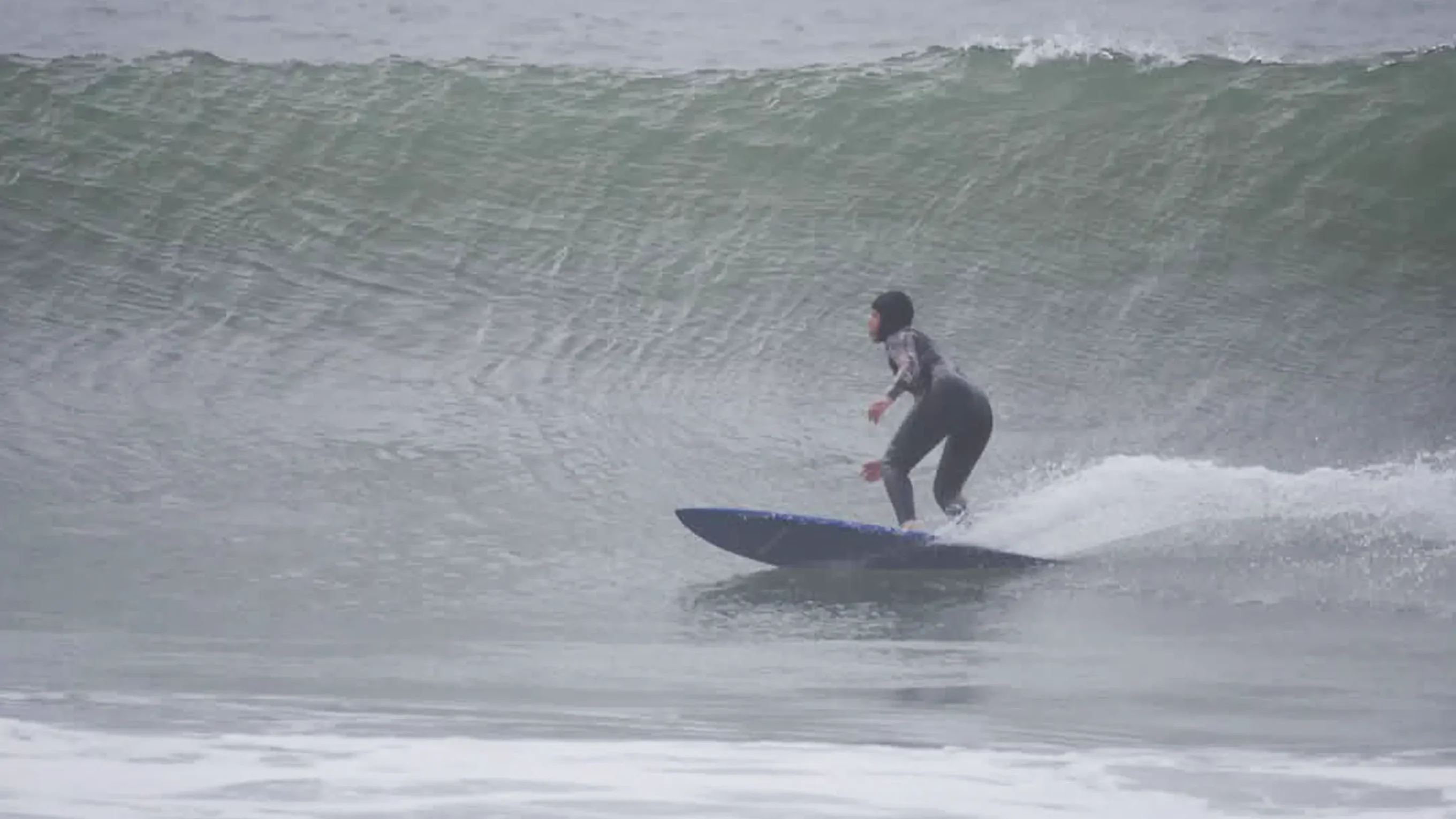
I haven’t been to Punta San José lately. I used to go camping with my family. We liked secluded spots that didn’t charge a fee, but we don’t feel comfortable doing that anymore.
The end of the trial is a mix of emotions. On one hand, we’re obviously glad that the perpetrators were found and convicted, though we know that doesn’t bring the victims back. On the other hand, we also know that if something like this had happened to any of us, we would likely just remain on a list of missing persons, with no real effort made to track down or convict those responsible.
Honestly, I don’t think it’s any safer now than it was before, because nothing has really changed. Perhaps the convictions might make criminals think twice before robbing or harming a tourist, but in terms of the authorities and security, everything remains the same.
For those visiting Baja California, especially when heading to isolated areas, I would recommend always getting in touch with a trusted local, keeping in contact with someone to let them know your whereabouts, and making sure to stay in safe, secure locations.
Kevin Meza, 33, pro surfer
(The murders) were a big shock to the surf community, especially because the story went worldwide. Growing up here, you become aware of the risks, particularly in Northern Baja, so these things are always somewhere in the back of your mind. That doesn’t make what happened any less tragic, but I think the community was already conscious that these situations were possible.
I haven’t noticed much change in police presence or safety policies. My relationship with the police is complicated because sometimes you don’t know if they’re there to protect you or if they might try to intimidate you or get money out of you.
The people I worry about most are the local families who depend on tourism: fishermen, store owners, and people selling sodas, candy, beer, and food in small towns along the way. They depend on travelers stopping and spending money to support their families. When a story like this goes worldwide, those people can suffer economically even though they had nothing to do with what happened.
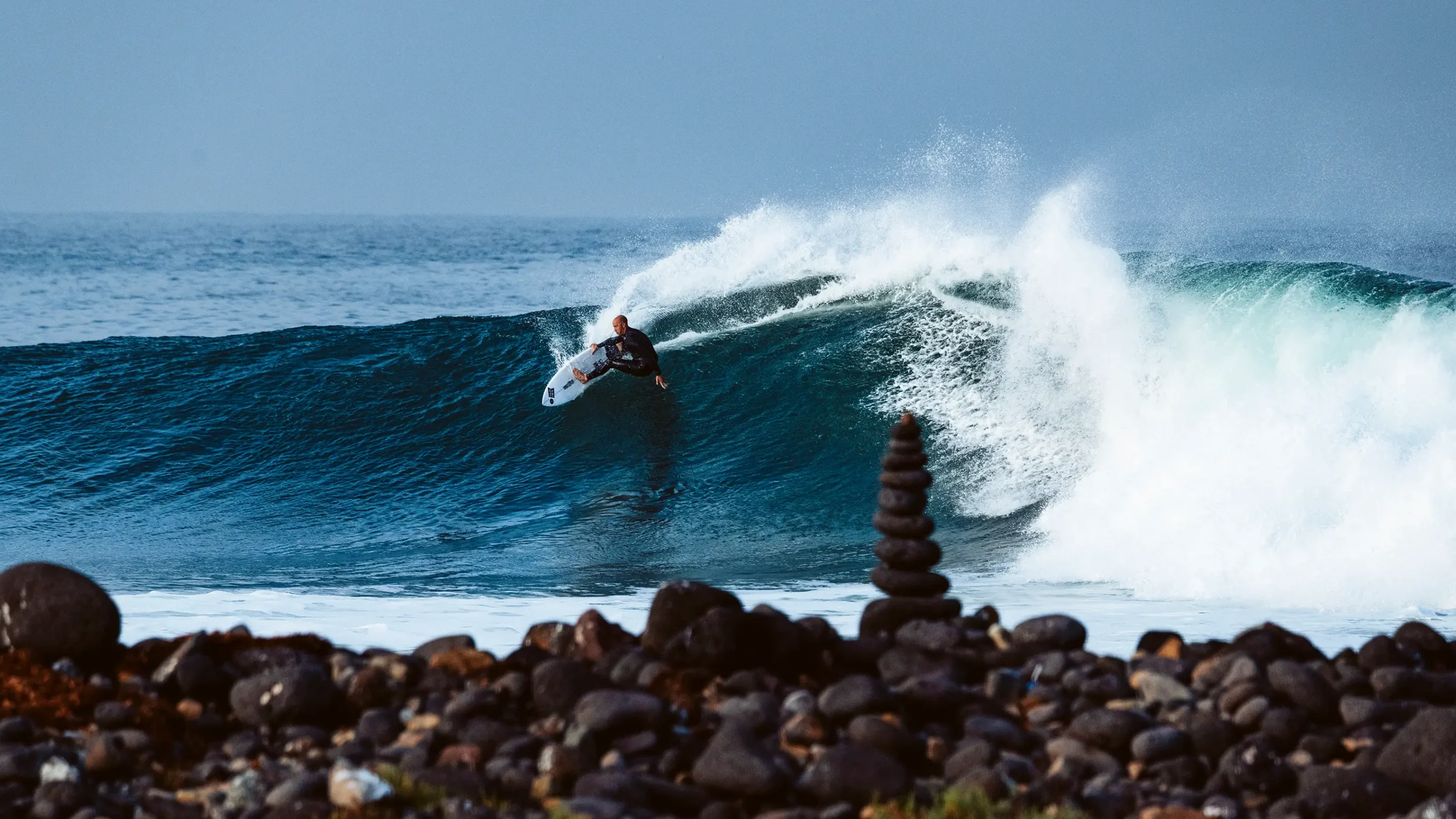
I haven’t been back to Punta San José recently. I went there as a kid with my parents, camping and surfing, and I remember having an amazing time. My biggest concerns back then were the waves and wildlife. I never imagined something like this could happen there.
I can’t speak for everyone, but I think the community was deeply shocked by what happened. People want justice for the victims and their families, and I hope the end of the trial brings them some closure.
Personally, I can’t say whether Baja is safer now, but I’ve traveled a lot over the past two years, from Ensenada all the way to Cabo, by bus, car, and plane. I’ve passed through so many small towns and bus stations, and I’ve never experienced a dangerous situation or bad encounter. I usually drive during the day, plan my stops, and stick to places I know or have researched.
From my experience, what happened feels like a tragic case of being in the wrong place at the wrong time. I want to say that respectfully because I feel terrible for the families who lost their loved ones. I don’t want to minimize what happened, but I also don’t think one tragedy should define the entire peninsula.
I’d recommend that visiting surfers do their research, talk to locals, plan their routes, travel during the day when possible, and let someone know where they’re going. Baja is an incredible place, and I still believe people should experience it while being smart and aware of their surroundings.