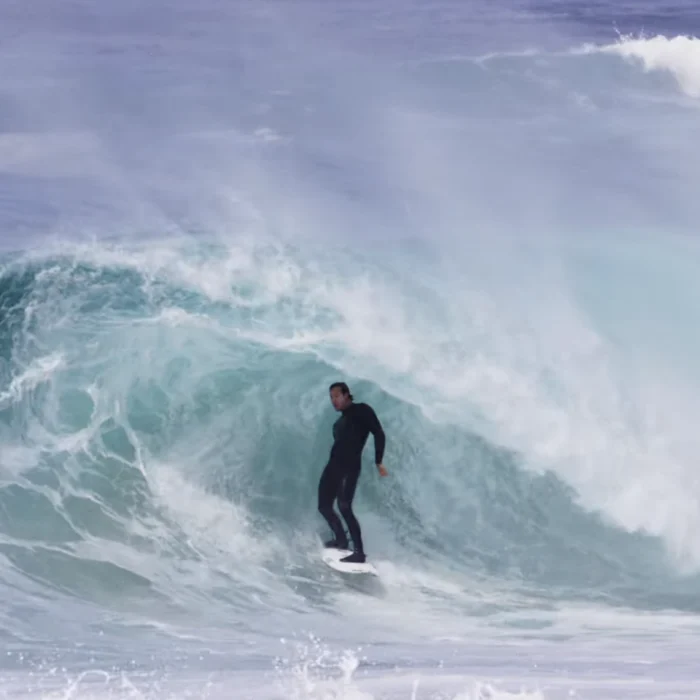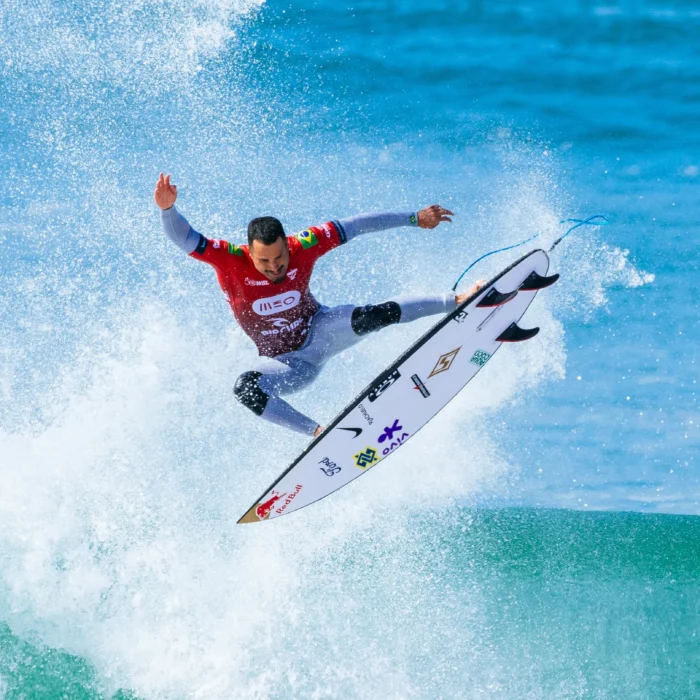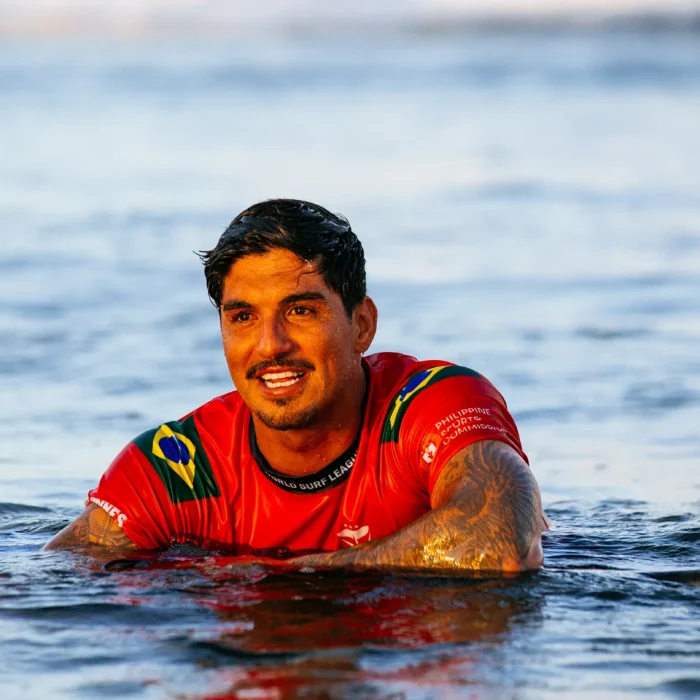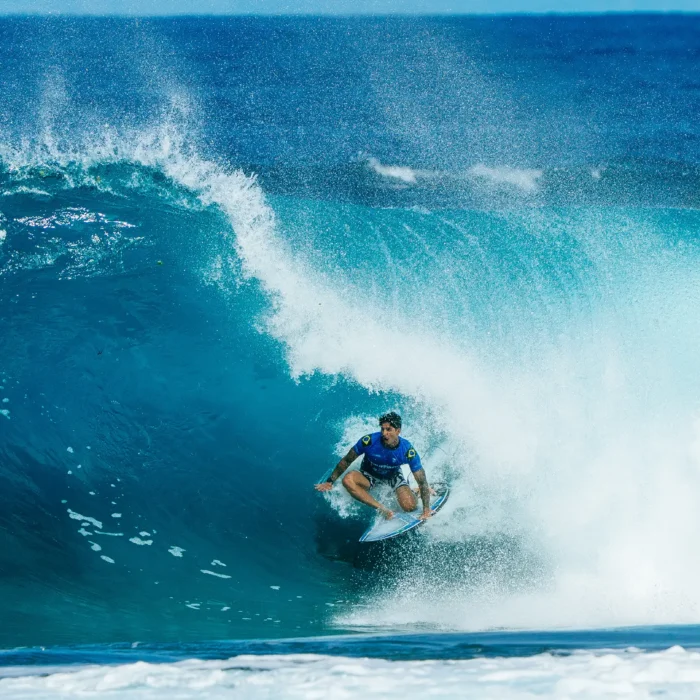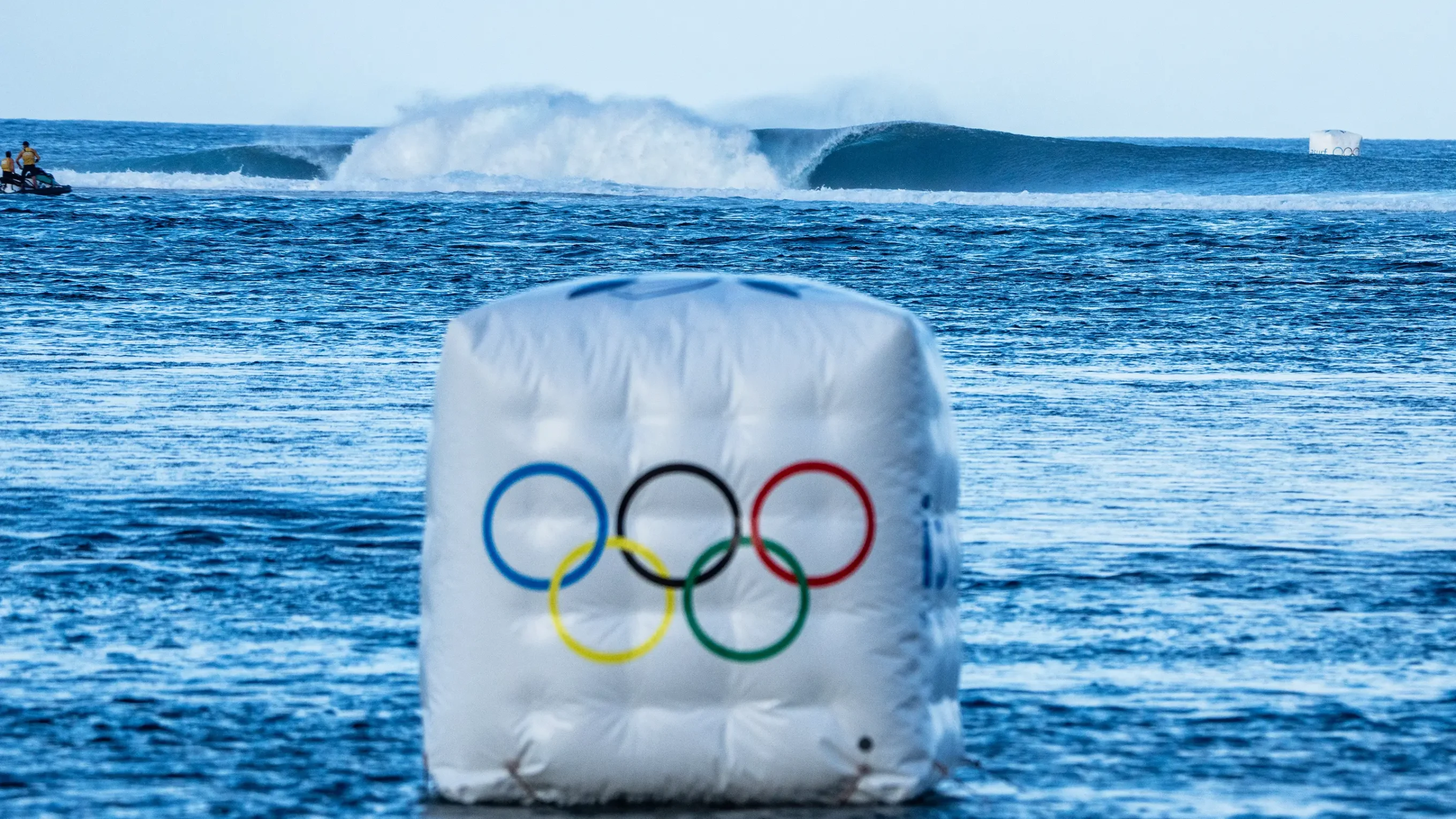
As surfing’s next Olympic qualifier for the LA 2028 Olympics kicks off this week in Peru, a new report suggests that the sport is among several at risk of getting cut from the 2032 Games. An article published in The Guardian says “secretive deliberations” are taking place at the International Olympic Committee (IOC) headquarters in Switzerland regarding which sports will make the cut for the Brisbane 2032 Games.
The article specifically mentions surfing — as well as skateboarding, sport climbing, and race walking — as sports that could get axed. The Brisbane 2032 sports program was supposed to be confirmed in 2026, but that’s been delayed to the next IOC session in April 2027.
According to The Guardian, the discussions center around reducing sports on the Olympic program and the athlete quota, and balancing the emergence of new sports with entrenched traditional sports. The athlete totals at LA 2028 will be nearly 11,200, almost 700 more than the 10,500 that competed in the Paris 2024 Olympics. The increase stems from LA 2028’s addition of five new sports — flag football, squash, baseball/softball, cricket, and lacrosse — with the organizing committee responsible for covering the additional costs.
The debate taking place at the IOC is not new. Earlier this year, IOC President Kirsty Coventry even warned that “uncomfortable” cuts were on the horizon for Brisbane 2032.
Since IOC President Thomas Bach introduced “Agenda 2020” to revamp the Tokyo 2020 Games with youthful sports and responsible spending, Olympic sports have been engaged in a heightened lobbying battle for the athlete quotas available. For LA 2028, breaking (breakdancing) was cut, and modern pentathlon lost athlete slots to make more room for sport climbing and 3-on-3 basketball. The IOC rejected the International Surfing Association’s requests to add a longboarding discipline and increase the shortboard quota from 48 athletes to 64.
However, given that Coventry has highlighted attracting young audiences, it’s surprising that surfing has been mentioned in these deliberations at all.
Of all the sports considered for 2032, surfing has a lot working in its favor. With only 48 surfers, the sport doesn’t demand a large share of the 10,500 available slots. In comparison, swimming, athletics, and gymnastics have a combined 1,810 athletes.
Plus, surfing doesn’t require costly venue construction. Brisbane is already equipped with several world-class surfing beaches — Snapper Rocks, Kirra, Duranbah, etc. — where the competition could be held. And Australia’s Prime Minister, Anthony Albanese, even used surfing in Tahiti in 2024 as an example to utilize venues, regardless of their geographic location, to save time and money.
Finally, dropping surfing after three editions would prematurely give up on the Games’ longterm investment in attracting youth. Agenda 2020 ushered in surfing, skateboarding, and sport climbing as a remedy for aging demographics. Surfing’s head honcho, Fernando Aguerre, has touted the first two Olympic appearances as a success for the value they brought to the Games. If the IOC agrees, surfing should be safe.
If there is excess fat to cut, sports like modern pentathlon, rowing, race walking, fencing, judo, and table tennis seem like the ones that should be sweating. It’d be shocking if the Gold Coast passed up surfing.