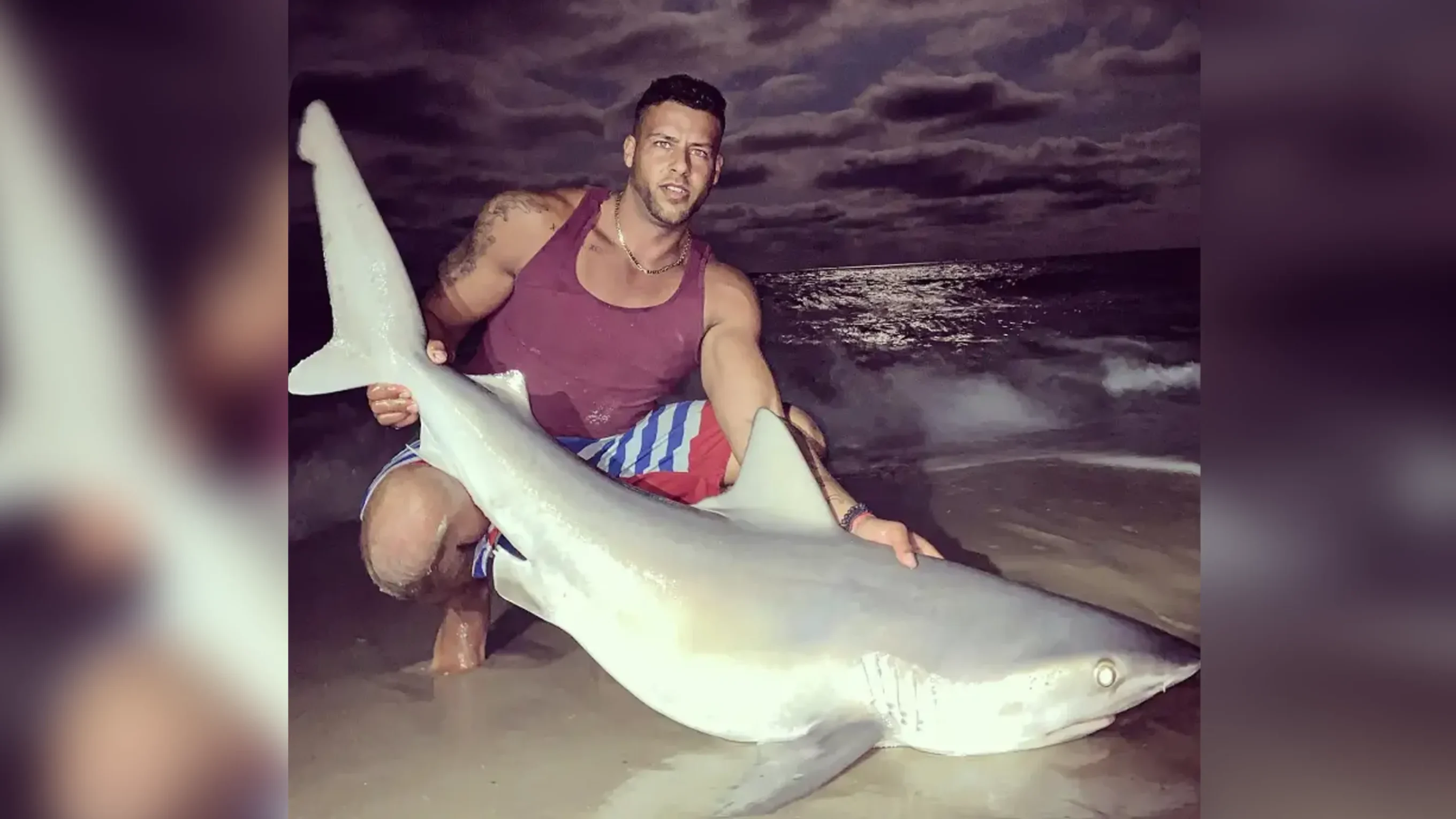
If you’re going to do something illegal, don’t post about it online. A Long Island fishing influencer has been charged with illegally catching a protected great white shark, which authorities found out about after he posted it online.
On October 21, Christopher Stefanou, 30, was indicted for Cruelty to Animals, and violations of the Code of Massachusetts Regulations including illegal shore-based shark fishing, unauthorized possession of a prohibited species, the illegal attracting and capturing of a white shark, and the illegal mechanized deployment of bait.
According to an announcement by Cape & Islands District Attorney Robert J. Galibois, Stefanou was accused of going on an October 2025 excursion on the eastern shore of Cape Cod with the goal of catching a great white shark. As a result, the Stefanou and what was described as his “European client,’ captured ‘Aaron the Shark,’ a great white that had been tagged and closely monitored by the Massachusetts Division of Marine Fisheries.
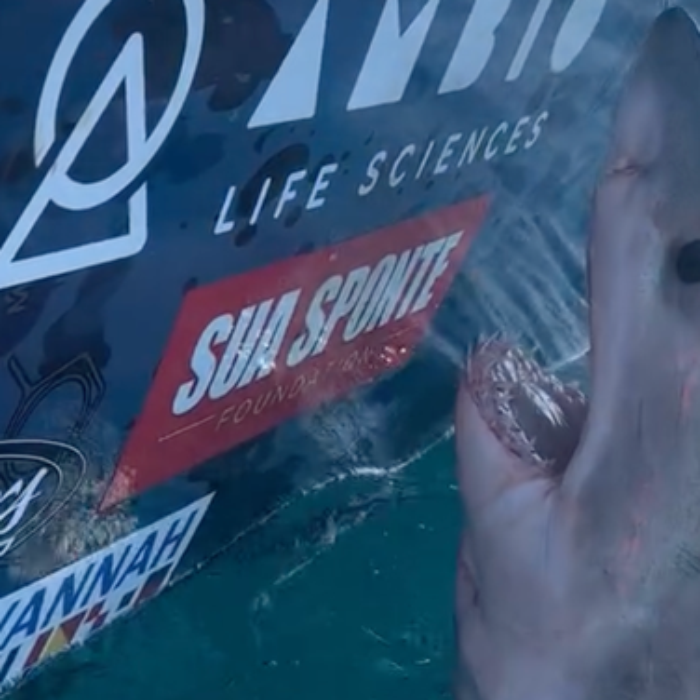
Authorities were alerted to the illegal activity when Stefanou, a popular fishing influencer with over 500,000 followers on Instagram, posted a video of it to social media. The footage provided evidence that the men were using prohibited equipment (including a drone) to capture the shark and drag it on to the beach. Afterwards, the group celebrated and took photos with the shark before releasing it.
The court set bail at $10,000 and required Stefanou to surrender his fishing license, as well as remove the videos from social media. He is due back in Barnstable Superior Court on December 11, 2026.
“DA Galibois acknowledges the vital role that responsible anglers play in ensuring the long-term viability of recreational sport fishing on Cape Cod, while also understanding the need to investigate and prosecute those offenders who go outside the boundaries of well-established regulations and criminal statutes,” continued the release.