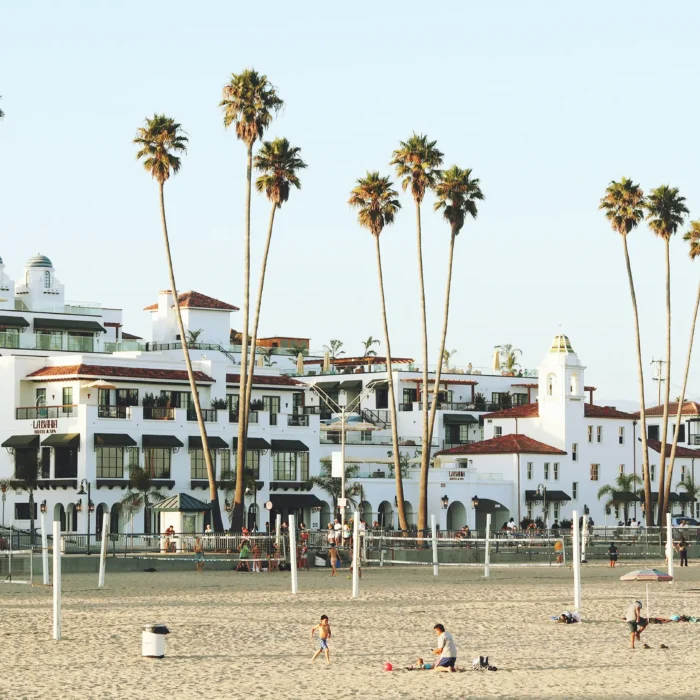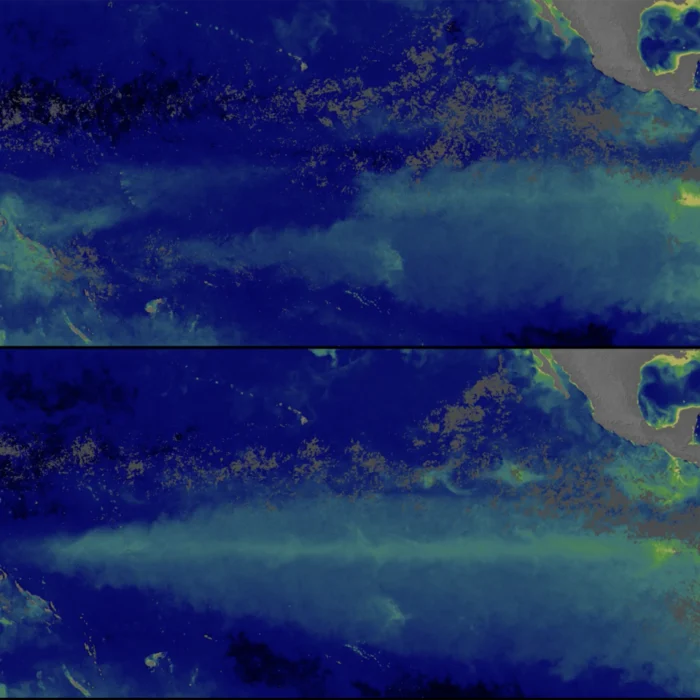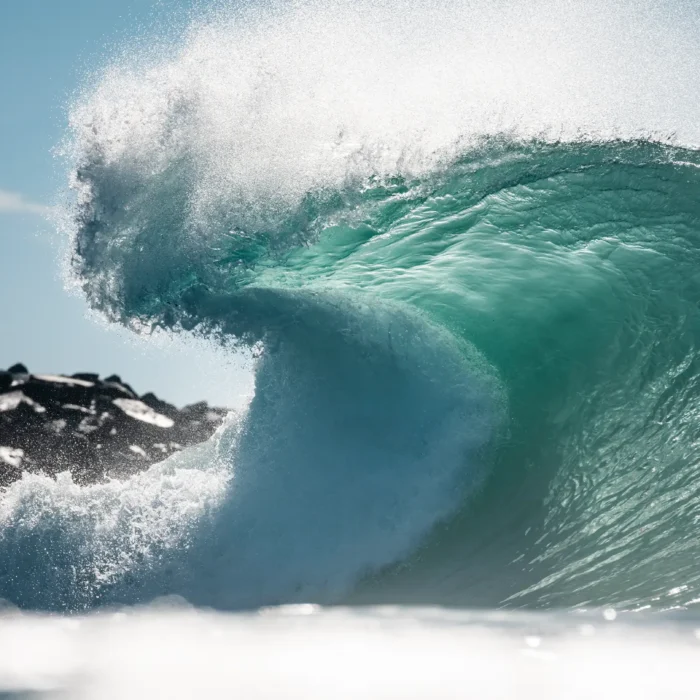
Balmy water temperatures in California feel more like peak summertime than a few weeks from winter. A supercharged hurricane season has plundered the Southern California coast of sand. Kelvin waves have raised the sea to record levels. And this is all before the classic El Niño atmospheric river deluges have even begun on the West Coast.
Now, adding insult to injury, the UK’s national meteorological service says it predicts this winter’s “Godzilla” El Niño will speed up climate change by releasing more carbon dioxide into the atmosphere.
According to the Met Office, the annual average carbon dioxide concentration recorded at the Mauna Loa Observatory in Hawaii will reach new highs in 2027.
“The rise is the largest annual increase ever forecast by the Met Office and is comparable to the record increase of 3.57 ppm observed in 2024, which was boosted by exceptional wildfire emissions,” the Met Office said in an article.
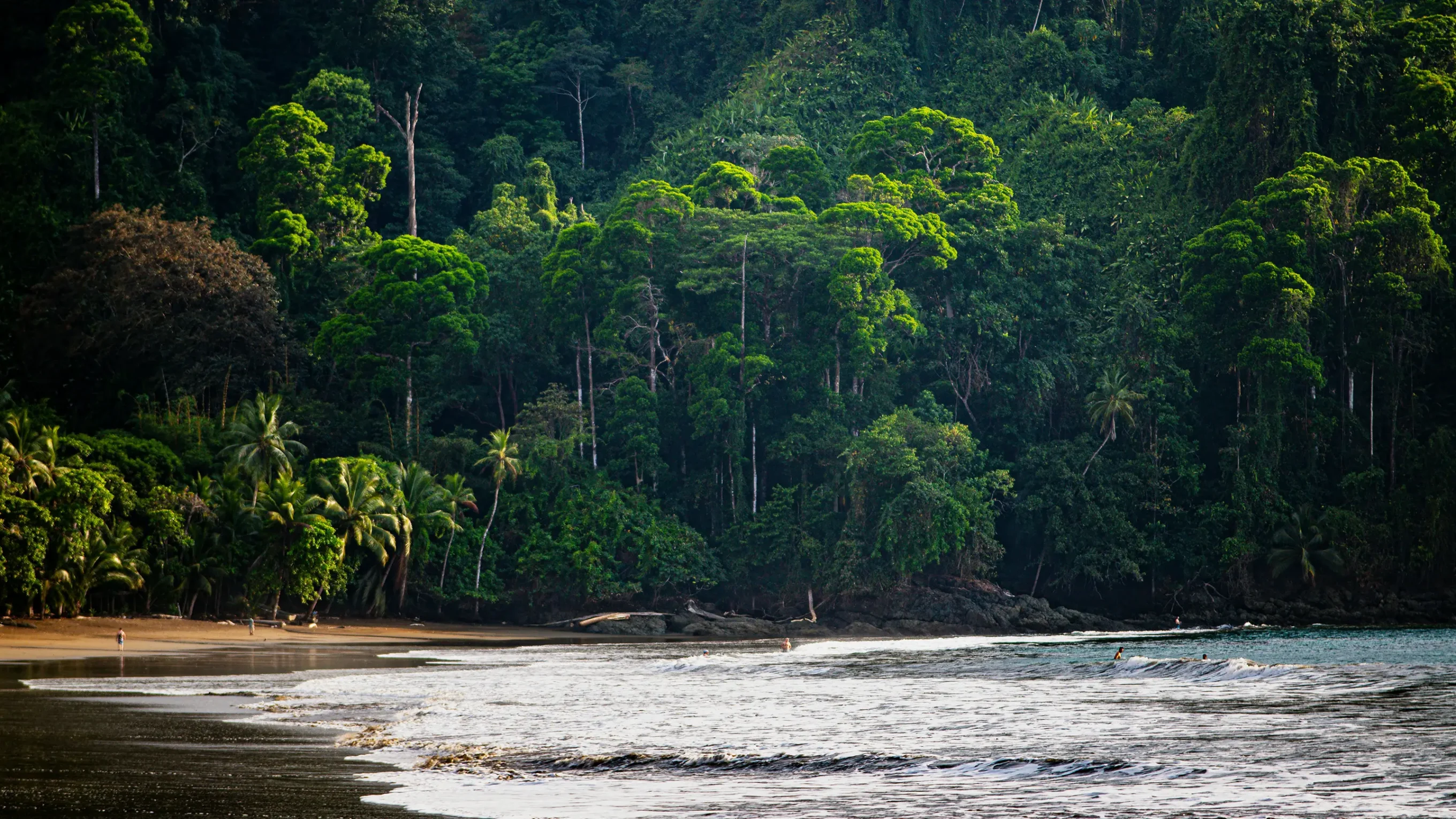
The meteorological body says this is due to El Niño-driven weather changes in the planet’s tropical regions. These conditions weaken “the ability of forests and other vegetation to absorb carbon dioxide from the atmosphere.”
“Areas at increased risk of dry conditions during the current El Niño include areas of Central America, west Pacific nations and tropical South America,” the Met Office said.
The office ran models comparing the carbon dioxide increase to a scenario without the scorching ocean temperature present in the Pacific, and concluded that the increase would be “considerably” lower with typical temperatures.
According to NOAA, a strong El Niño event reduces plant growth, increases soil decomposition of carbon, and increases emissions from forest fires, which contribute to higher carbon dioxide levels. More carbon dioxide in the atmosphere amplifies the greenhouse effect, raising global temperatures. It also reduces the ocean’s pH, disrupting marine life.