Marine life off the coast of California is being poisoned at unprecendented rates, according to the Marine Mammal Center, an ocean conservation group based out of Sausalito.
The poison in question isn’t coming from humans but from toxic algae blooms that releases domoic acid.
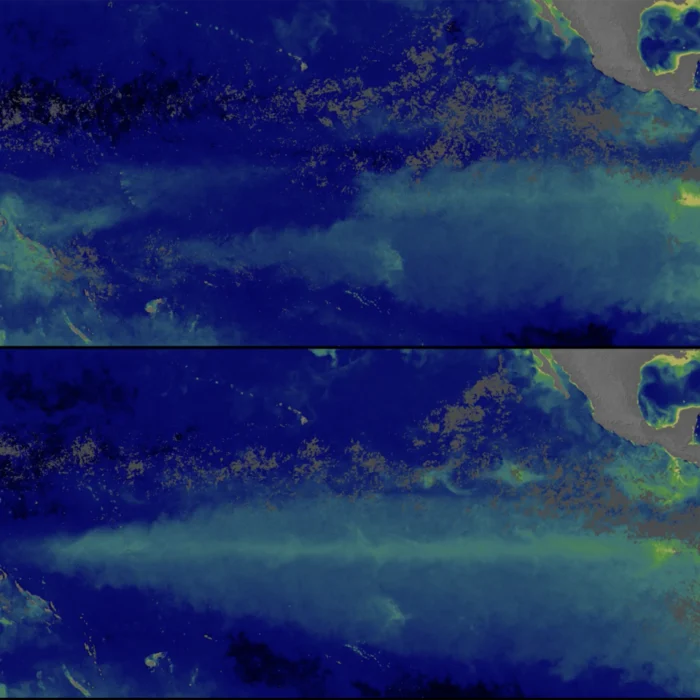
“Domoic acid (DA) is a neurotoxin produced by the microscopic marine algae, Pseudo-nitzschia,” the Channel Islands Marine & Wildlife Institute (CIMWI) explained. “This phytoplankton grows when our coastal ecosystem provides favorable conditions, such as when upwelling of water causes the nutrients from deeper water to rise to the surface where sunlight is present which proliferates algal growth. This typically occurs during transitional periods in the spring and fall.”
On Wednesday, the Marine Mammal Center announced that so far this year, it had documented over 300 cases of domoic acid poisoning across some 600 miles of California’s coast. That’s more than three times the average of 75 to 90 cases per year.
“The outbreak caused a dramatic increase in call volume, with our response hotline receiving more than 600 calls on the busiest days, nearly four times what our team usually sees,” the center said in a news release.
Toxic algal blooms aren’t anything new to California. “Domoic acid toxicosis” was first named and diagnosed in marine mammals like sea lions back in 1998, but as the years progressed, the blooms became larger and more unpredictable.
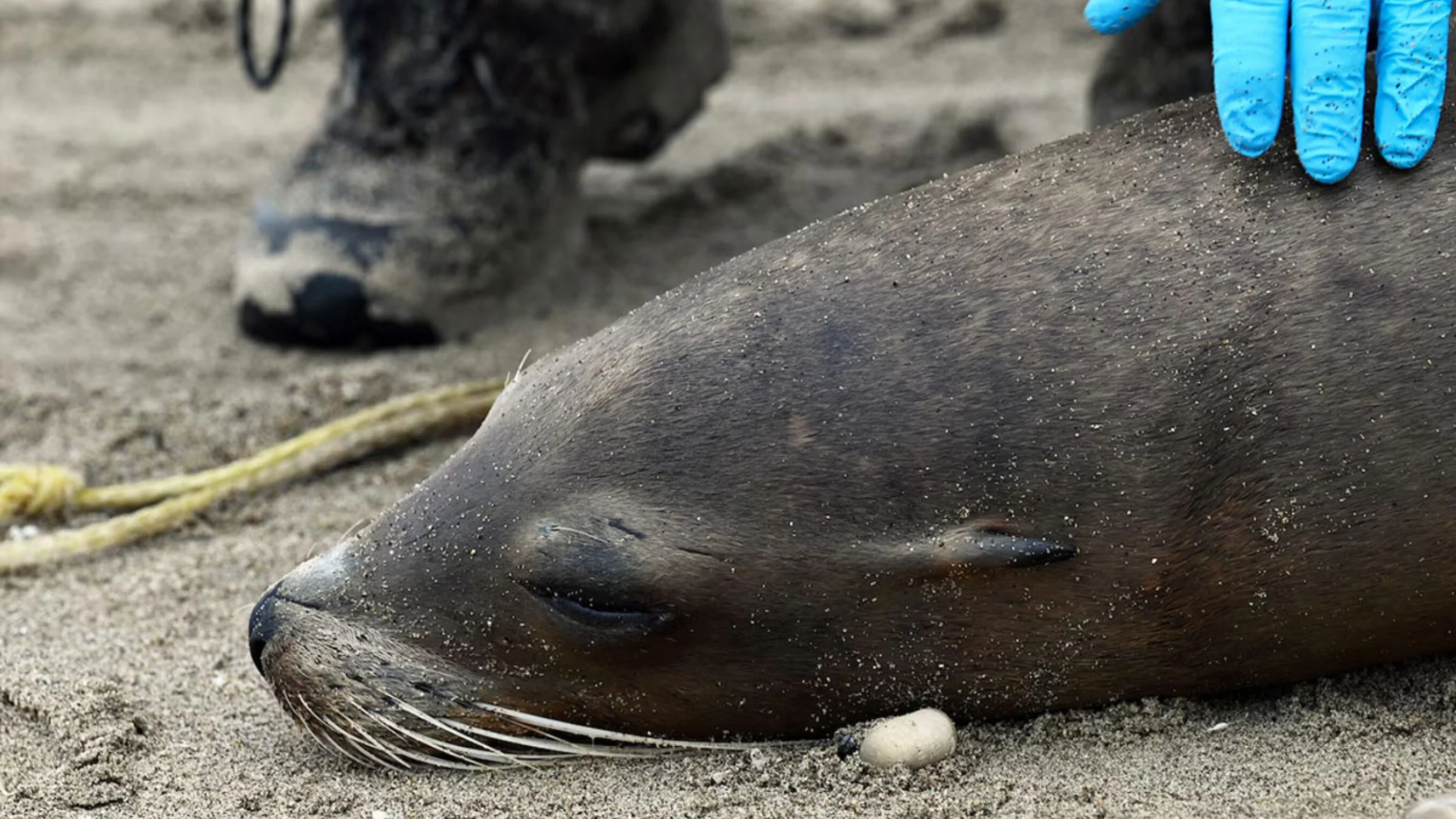
“California sea lions are considered a sentinel species, meaning their health can provide invaluable insight into the condition of our shared ocean,” The Marine Mammal Center explained. “As our ocean experiences rising temperatures and environmental pressures, marine mammals offer scientists a critical view into a changing ecosystem.”
Sea lions are a harbinger of what’s to come in terms of domoic acid toxicosis. Sea lions’ prey includes filter feeders like shellfish and bivalves. Those creatures eat the toxic algae, but they aren’t affected by it. The domoic acid, however, builds up in their bodies.
“When predators like sea lions and sea birds eat these filter-feeders, they are negatively impacted by the toxin accumulated in their prey,” CIMWI explained. “This phenomenon of increased pollutant concentration from the bottom of the food chain to the top is called biomagnification. Because the predators at higher levels in the food chain, such as sea lions, eat larger amounts of prey, they ingest a higher level of domoic acid.”
Domoic acid poisoning isn’t great. It can cause seizures, foaming at the mouth, swaying heads, and even heart failure that can lead to death.
The Marine Mammal Center told reporters that the greatest increase in calls about sick marine mammals came from Monterey, Santa Cruz and San Mateo counties.
“These animals are sentinels of the ocean, and an outbreak of this scale is a clear demonstration of the challenges affecting the ocean habitat that these animals and others rely on for survival,” said Sarah Pattison, RVT and the Center’s Director of Hospital Operations. “Each animal we care for teaches us about the environmental stressors they are faced with. This insight paints a clearer picture of what’s happening in our changing ocean, informs how we care for these animals in need, and is an important reminder of the interconnectivity of humans, animals, and the environment.”