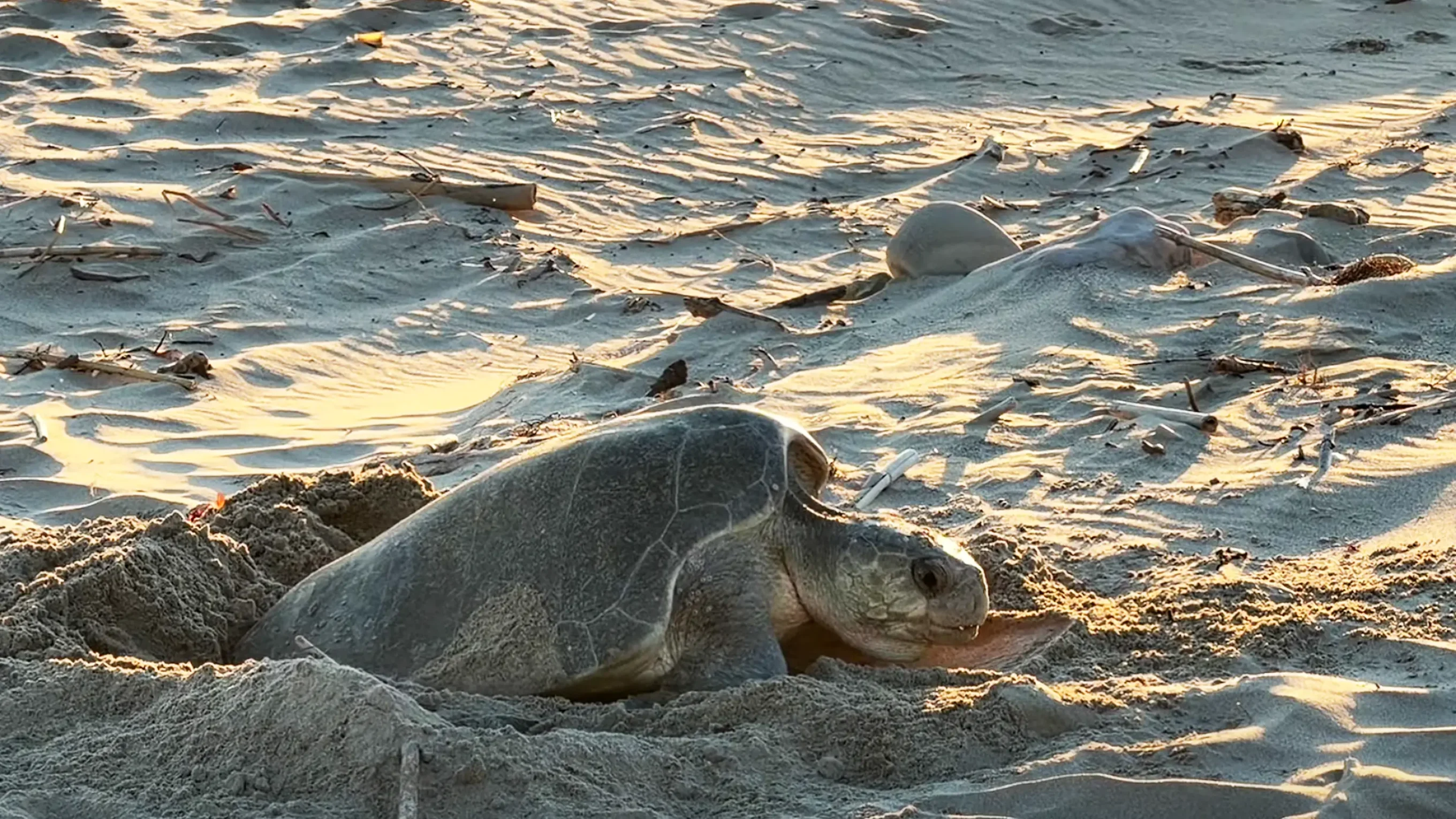
Prior to 2026, sea turtles had never been recorded nesting on the U.S. West Coast. After two olive ridley turtle nests were discovered in California in September, a third nest was discovered even further north in Ventura.
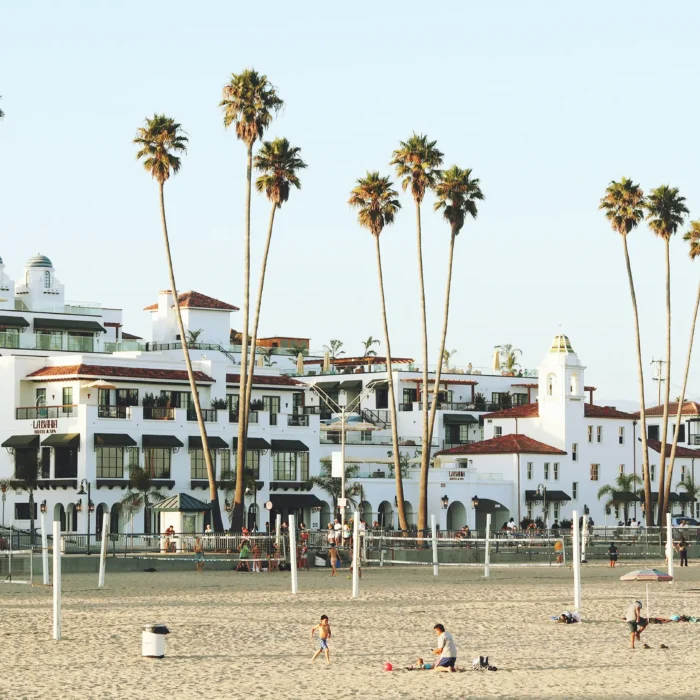
The olive ridley turtle was spotted nesting near the Ventura Pier on November 1. The previous two nestings took place in Seal Beach and Huntington Beach in September.
While the eggs in the first two nests were collected and taken to the Aquarium of the Pacific, the nest in Ventura will be left as is.
“We want to try to keep this event as natural as possible and minimize any kind of intrusion,” U.S. Fish and Wildlife officials said. “We’re now looking, and there is talk of having drone patrols looking for crawl marks in the sand. That’s a telltale sign that a turtle came out of the ocean or returned to the ocean.”
The incubation period is around 42 days, which means the turtles could hatch in mid-December.
While it’s not uncommon to see sea turtles in California, they typically don’t nest in California. The closest nesting site is in Baja California Sur, Mexico, near the town of Todos Santos. The turtles nest from June to December in groups of more than 1,000.
Olive ridleys nest two to three times a season, so researchers are on the lookout for additional nests in California.
According to NOAA, it’s unknown why the turtles nested in California, but the extreme Super El Niño conditions likely were a factor. Water temperatures across the West Coast are unseasonably high as warm El Niño flow moves north from the equator. Navigational errors also could have played a role.
It’s unclear if the eggs will hatch or if conditions will be suitable for hatchlings to survive.
“This is a first, and there is a lot we do not know about the eggs, including whether they were fertilized or if they are viable,” NOAA wrote on its site. “If they successfully hatch, the hatchlings will be released on the beaches where the eggs were laid to make their journey across the sand to the ocean.”